Stearic acid sodium, a widely used chemical additive in various industrial applications, often requires efficient and reliable material handling solutions for its transportation. The pneumatic conveying line, specifically designed for stearic acid sodium, offers a sophisticated method to manage this process. This article delves into the working principle and key features of such a system, highlighting its benefits and operational efficiency.
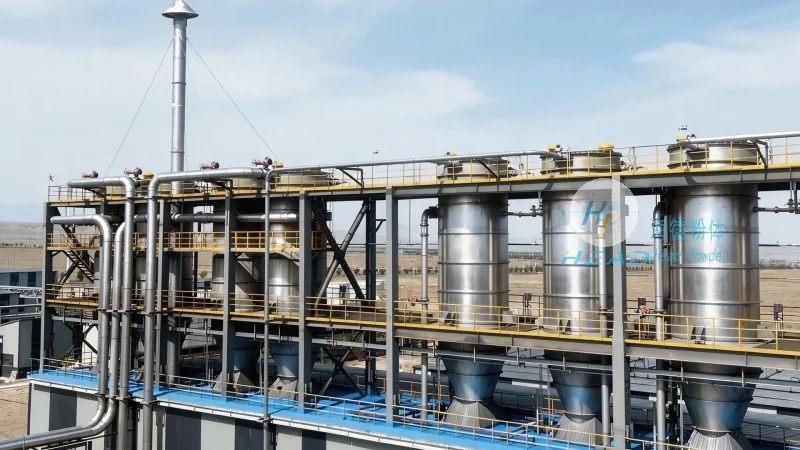
Introduction to Stearic Acid Sodium Pneumatic Conveying
Stearic acid sodium, also known as sodium stearate, is a sodium salt of stearic acid, commonly used as a surfactant, stabilizer, and lubricant in the production of soaps, detergents, and cosmetics. Due to its fine powder nature and hygroscopic properties, handling and transporting this material efficiently can be challenging. Traditional methods like bucket elevators or belt conveyors may lead to material degradation, dust generation, or system inefficiencies. The pneumatic conveying line, developed by Shandong HeadPowder Engineering Co., Ltd., addresses these challenges by providing a closed-loop, dust-free, and energy-efficient solution for stearic acid sodium material transport.
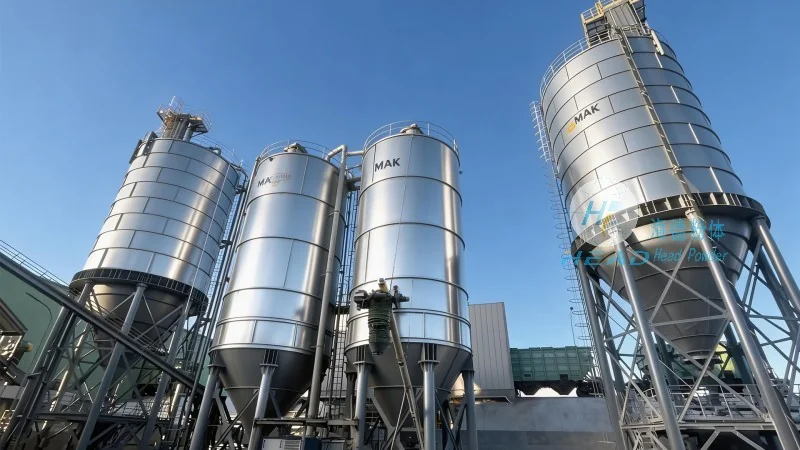
Working Principle of the Pneumatic Conveying Line
The pneumatic conveying line for stearic acid sodium operates on the principle of air flow to move material through a network of pipes. The system typically consists of a feeding hopper, a rotary valve, a venturi or pressure vessel, and a receiving hopper. The process begins with the material being fed into the hopper, where a rotary valve controls the flow rate. As the material enters the conveying line, a high-pressure air stream is introduced, creating a vacuum or pressure differential that propels the material forward. The venturi or pressure vessel ensures consistent air flow and material acceleration, while the receiving hopper collects the material at the destination. The system is designed to maintain a stable air-mass ratio, which is crucial for efficient and low-damage transport of fine powders like stearic acid sodium.
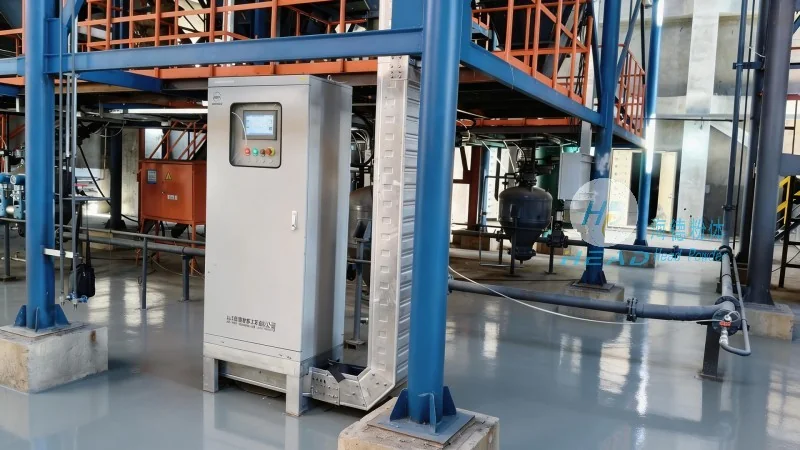
Key Features and Advantages
Shandong HeadPowder Engineering Co., Ltd.'s pneumatic conveying line for stearic acid sodium offers several distinct features that enhance its performance and usability. Firstly, the closed-loop system minimizes dust emissions, ensuring a clean and safe working environment. This is particularly important for stearic acid sodium, which can be a respiratory irritant if inhaled. Secondly, the system is highly energy-efficient, as it uses compressed air to move material, reducing operational costs compared to mechanical conveyors. Thirdly, the design allows for gentle handling of the material, preventing agglomeration or degradation, which is critical for maintaining the material's quality. Additionally, the modular construction enables easy integration with existing production lines and flexible customization based on specific application requirements. The system also features advanced control systems that monitor air pressure, flow rate, and material level, ensuring optimal performance and reducing downtime.
Application and Operational Benefits
The pneumatic conveying line is particularly suitable for applications where stearic acid sodium needs to be transported over medium to long distances, such as from storage silos to processing units or between different production stages. The system's ability to handle fine powders without clogging or blockages makes it ideal for industries like cosmetics, pharmaceuticals, and food processing, where product purity and consistency are paramount. The operational benefits include reduced labor costs due to automated feeding and conveying, improved safety through dust-free operation, and enhanced product quality due to gentle handling. Furthermore, the system's scalability allows it to be adapted for both small-scale laboratory use and large-scale industrial production, making it a versatile solution for various stearic acid sodium processing needs.
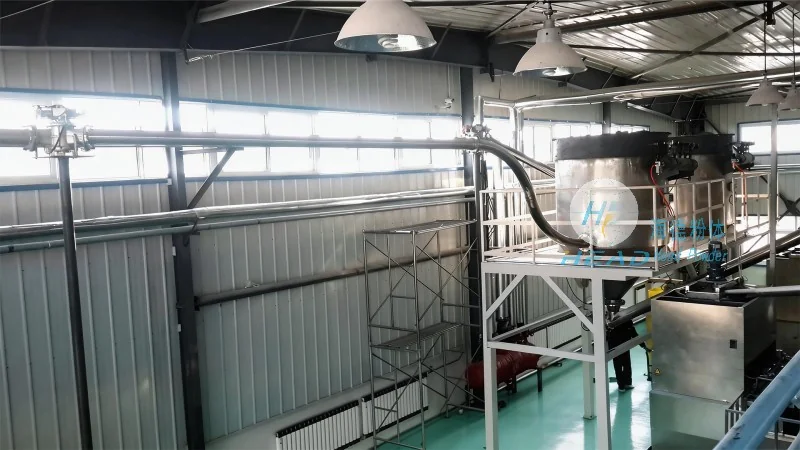
Conclusion and Company Overview
In conclusion, the pneumatic conveying line for stearic acid sodium, developed by Shandong HeadPowder Engineering Co., Ltd., represents a cutting-edge solution for efficient and safe material handling. By leveraging the principles of pneumatic transport, the system offers significant advantages over traditional methods, including dust control, energy efficiency, and gentle material handling. With its modular design and advanced control systems, the line is adaptable to diverse industrial applications, ensuring reliable performance and high product quality. As a leading provider in the field, Shandong HeadPowder Engineering Co., Ltd. continues to innovate and provide tailored solutions that meet the evolving needs of industries relying on stearic acid sodium in their production processes.




