

Principle and Working Scene Characteristics of Silica Sand Powder Pneumatic Conveying Equipment
HeadPowder, a leading engineering firm based in Shandong, China, specializes in the design and implementation of advanced pneumatic conveying systems tailored for handling silica sand powder. This article delves into the fundamental principles of such equipment and highlights the key characteristics of its operational environments, providing a comprehensive overview for industry professionals seeking efficient material transport solutions.
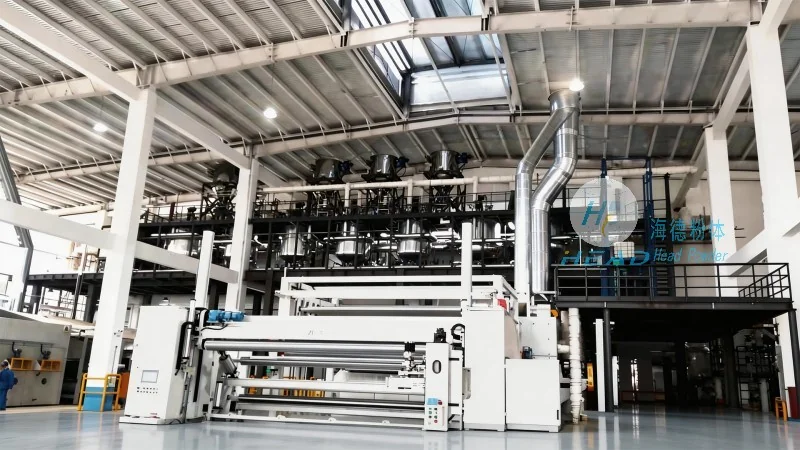
Introduction to Silica Sand Powder Pneumatic Conveying Systems
Silica sand, a crucial raw material in various industries including glass manufacturing, foundries, and construction, often requires reliable and efficient transport methods to move from storage to processing units. Pneumatic conveying equipment offers a solution by utilizing air pressure to transport dry powders like silica sand, eliminating the need for mechanical components that may cause contamination or material degradation. The core principle involves creating a pressure differential between the inlet and outlet of the system, which propels the powder through a network of pipes using compressed air or vacuum.
Core Principles of Pneumatic Conveying for Silica Sand
The operation of a silica sand powder pneumatic conveying machine is governed by several key principles that ensure optimal performance. First, the system relies on the creation of a consistent airflow, typically achieved through a blower or vacuum pump, which generates the necessary pressure to move the material. The velocity of the air must be sufficient to overcome the gravitational and frictional forces acting on the silica sand particles, preventing settling or blockages in the pipeline. Additionally, the design of the conveying line, including the diameter of the pipes and the angle of inclination, plays a critical role in maintaining the flow rate and preventing material accumulation. The use of appropriate air-to-material ratios is also essential to avoid excessive pressure drops and energy consumption, ensuring the system operates efficiently.
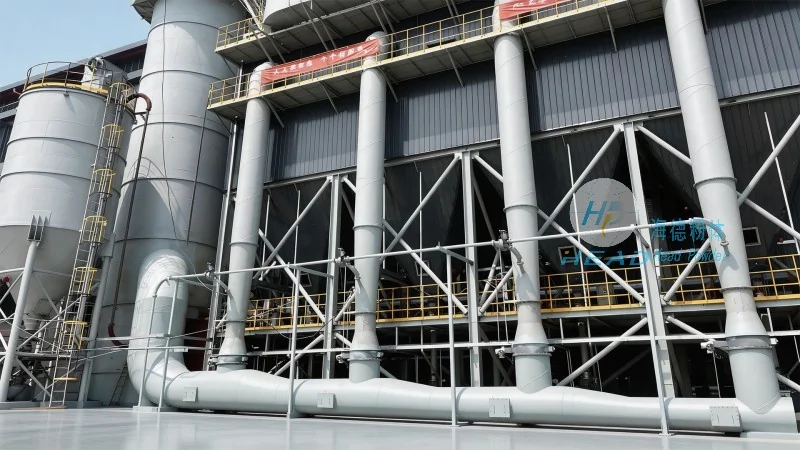
Working Scene Characteristics: Applications and Operational Environments
The working scene characteristics of silica sand powder pneumatic conveying equipment are tailored to meet the specific demands of industrial applications. In glass manufacturing, for example, the system must handle fine silica sand particles with high precision, as even minor variations in particle size can affect the quality of the final glass product. The conveying process in this environment requires a clean and controlled atmosphere to prevent contamination, which is achieved through the use of sealed pipelines and filtration systems. In foundries, the equipment is used to transport silica sand for mold making, where the system must be robust enough to handle abrasive particles and maintain consistent flow rates under varying production loads. The construction industry also benefits from such systems, as they enable the efficient transport of silica sand for concrete production, reducing labor costs and improving material handling efficiency.
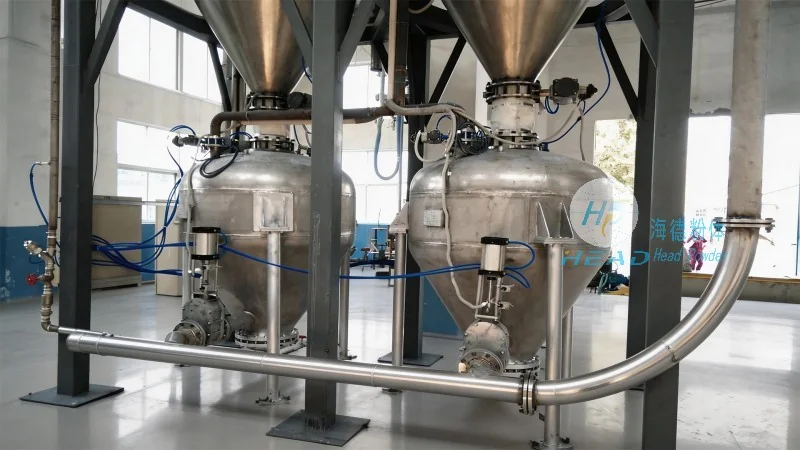
Key Features and Advantages in Practical Applications
Several key features of silica sand powder pneumatic conveying machines contribute to their effectiveness in real-world scenarios. One of the primary advantages is the ability to transport materials over long distances without the need for intermediate storage or transfer points, which streamlines the production process. The system also offers flexibility in terms of layout, as the conveying lines can be configured to follow the existing factory layout, minimizing the need for extensive infrastructure modifications. Furthermore, the equipment is designed to handle a wide range of particle sizes and moisture content, making it suitable for various types of silica sand. The use of advanced control systems allows for real-time monitoring of the conveying process, enabling operators to adjust parameters such as air pressure and flow rate to optimize performance and prevent system failures.
Conclusion: Enhancing Efficiency in Silica Sand Handling
For industries relying on silica sand as a critical raw material, pneumatic conveying equipment provides a reliable and efficient solution for material transport. By understanding the core principles of these systems and the characteristics of their operational environments, companies can select the most appropriate equipment to meet their specific needs. The advanced features and advantages of modern pneumatic conveying machines, such as those offered by Shandong HeadPowder Engineering Co., Ltd., ensure that silica sand can be handled with precision and efficiency, contributing to improved productivity and reduced operational costs.