

Choosing Between Positive and Negative Pressure for Calcium Hydroxide Powder Handling: How to Distin
When managing the transport of calcium hydroxide powder, selecting the appropriate pressure system is crucial for efficiency, safety, and operational reliability. Calcium hydroxide, commonly known as slaked lime, is a fine powder with unique handling characteristics that require careful consideration of how it moves through pipelines and storage systems. The decision between positive pressure and negative pressure systems is a critical one, as each has distinct advantages and limitations. This article explores the key factors to consider when choosing between these two methods, providing insights into how to distinguish the best approach for your specific application.
Understanding Positive and Negative Pressure Systems in Calcium Hydroxide Powder Transport
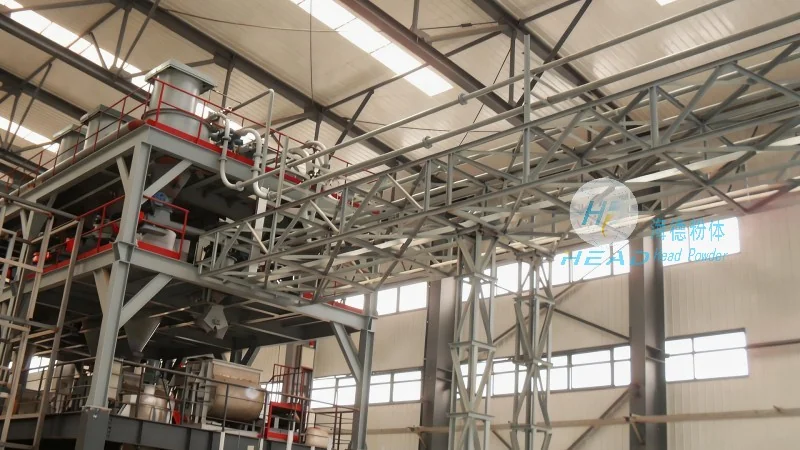
Positive pressure systems operate by forcing air or gas into the system, creating an internal pressure that pushes the powder forward. This method is often used in applications where the powder needs to be moved over long distances or through complex piping networks. The primary advantage of positive pressure is its ability to maintain consistent flow rates and prevent dust accumulation in the system. However, it requires robust sealing and can increase the risk of dust leakage if not properly maintained. Negative pressure systems, on the other hand, create a vacuum that draws the powder into the system, pulling it through the pipes. This approach is typically used for shorter distances or when the powder is stored in a hopper or silo above the processing equipment. The main benefit of negative pressure is reduced risk of dust contamination in the environment, as the system is sealed and the powder is drawn inward rather than expelled. Both systems have their place in calcium hydroxide handling, but the choice depends on factors such as the scale of operation, the distance the powder needs to travel, and the environmental regulations in place.
Key Factors to Consider When Selecting a Pressure System for Calcium Hydroxide Powder
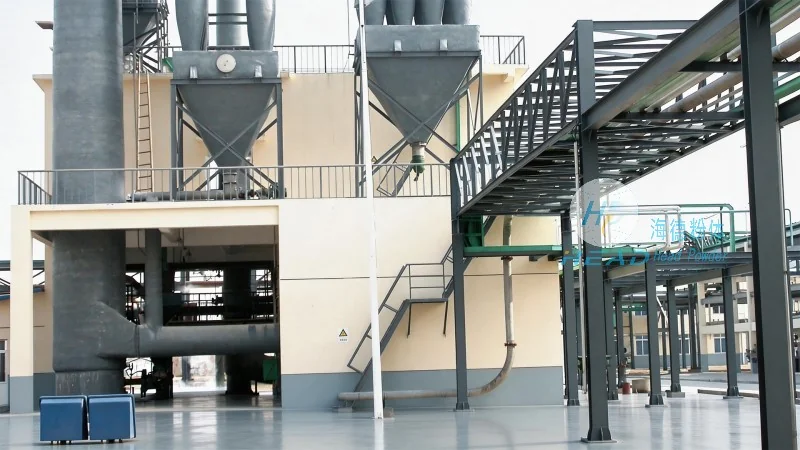
Several key factors should guide the decision between positive and negative pressure systems. First, the distance and complexity of the piping network are critical. For long-distance transport or systems with multiple turns and valves, positive pressure may be more effective due to its ability to maintain pressure and prevent backflow. Conversely, if the powder is stored in a silo or hopper adjacent to the processing equipment, negative pressure could be more suitable as it minimizes the need for extensive piping. Second, the risk of dust exposure and environmental regulations play a significant role. Negative pressure systems are often preferred in environments where dust control is paramount, as they prevent particles from escaping into the air. Positive pressure systems, while effective for moving powder, may require additional filtration and containment measures to comply with safety standards. Third, the material properties of calcium hydroxide itself must be considered. The powder is hygroscopic, meaning it absorbs moisture from the air, which can affect its flow characteristics and handling. Positive pressure systems may need to incorporate drying or moisture control measures to prevent clumping, while negative pressure systems can help maintain a drier environment by drawing in less humid air. Finally, the cost and maintenance requirements of each system should be evaluated. Positive pressure systems typically require more powerful blowers and robust seals, increasing initial investment and maintenance costs. Negative pressure systems may have lower operational costs but could require more frequent cleaning of the vacuum system to prevent clogging from fine powder particles.
HeadPowder's Expertise in Calcium Hydroxide Powder Handling Solutions
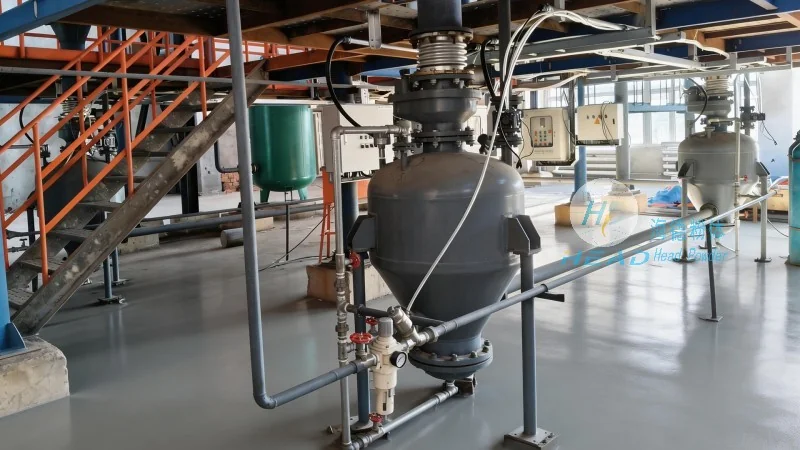
Shandong HeadPowder Engineering Co., Ltd., a leading provider of powder handling solutions, specializes in designing and implementing systems tailored to the unique needs of calcium hydroxide powder. With years of experience in the industry, HeadPowder understands the challenges associated with handling this fine, hygroscopic material and offers customized solutions that balance efficiency, safety, and cost-effectiveness. The company's team of engineers works closely with clients to assess their specific requirements, including the distance of transport, the scale of production, and environmental constraints, to recommend the most appropriate pressure system. HeadPowder's solutions often integrate advanced features such as dust collection systems, moisture control mechanisms, and automated monitoring to ensure optimal performance. By leveraging their expertise, clients can achieve reliable and safe transport of calcium hydroxide powder, minimizing downtime and maximizing productivity. The company's commitment to quality and innovation has made it a trusted partner for businesses in various industries, including construction, agriculture, and water treatment, where calcium hydroxide is widely used.
Conclusion: Making an Informed Decision for Calcium Hydroxide Powder Handling
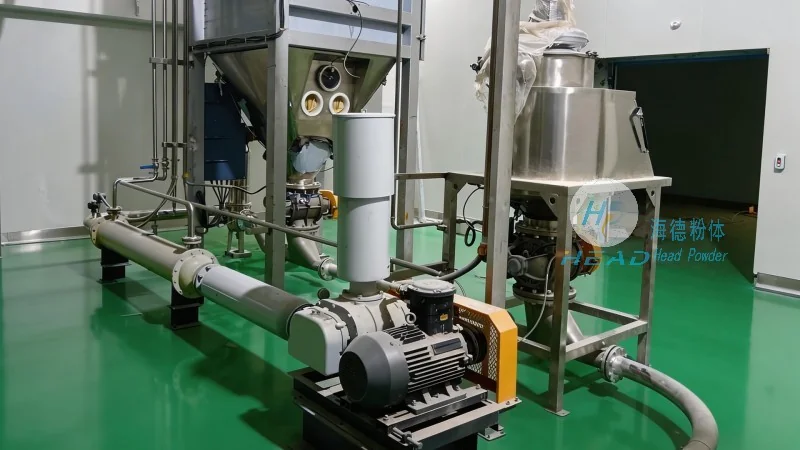
Choosing between positive and negative pressure systems for calcium hydroxide powder handling is a decision that requires careful consideration of operational needs, safety requirements, and cost factors. By understanding the characteristics of each system and evaluating the specific requirements of your application, you can select the most effective approach to ensure efficient and safe transport. Whether you opt for positive pressure to maintain consistent flow over long distances or negative pressure to minimize dust exposure, the key is to partner with a knowledgeable provider who can offer tailored solutions. Shandong HeadPowder Engineering Co., Ltd. stands ready to assist with expert guidance and customized systems, helping businesses achieve reliable and sustainable calcium hydroxide powder handling. With their expertise and commitment to quality, HeadPowder is the ideal partner for those seeking to optimize their powder handling processes.