

What is a Baking Powder Material Handling System? And What Are Its Design Principles?
For manufacturers in the baking industry, the efficient and reliable transportation of baking powder is crucial to maintaining production quality and operational efficiency. A specialized material handling system designed for baking powder is essential to meet these demands. This article will explore the concept of a baking powder material handling system and delve into its design principles, providing insights into how such systems enhance industrial processes.
Understanding the Baking Powder Material Handling System
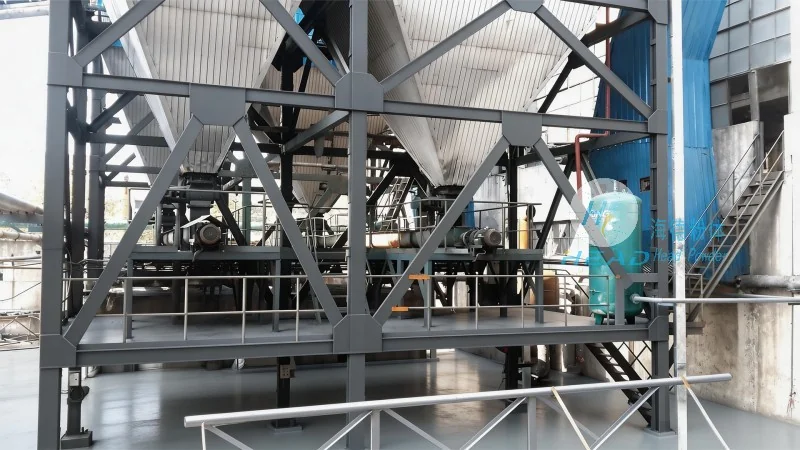
The baking powder material handling system is a specialized equipment setup engineered to handle, transport, and store baking powder from raw material reception to the final packaging stage. It integrates various components, including hoppers, conveyors, storage silos, and control systems, to ensure the safe and efficient movement of the product. The system is designed to address the unique properties of baking powder, such as its fine particle size, hygroscopic nature, and the need for contamination-free handling.
Key Design Principles of the System
The design of a baking powder material handling system follows several critical principles to ensure optimal performance and safety. Firstly, the system prioritizes dust control and containment to prevent product loss and environmental contamination. Advanced sealing mechanisms and enclosed conveyor systems are employed to minimize dust emissions. Secondly, the system is built for gentle handling to preserve the quality of the baking powder. This involves using low-friction materials and gentle acceleration/deceleration in conveyor belts to avoid particle degradation or clumping.
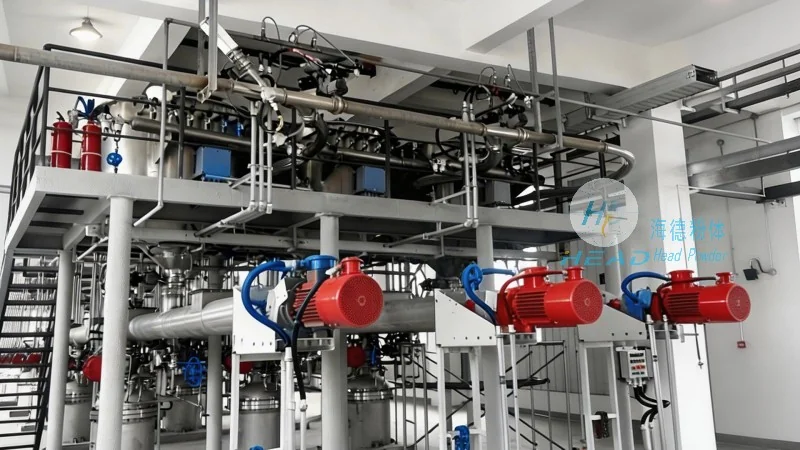
Thirdly, the system emphasizes hygiene and compliance with food safety standards. All components are constructed from food-grade materials, and the design allows for easy cleaning and maintenance. This is vital for maintaining product purity and meeting regulatory requirements. Additionally, the system incorporates advanced control technologies to ensure precise flow control and monitoring. Sensors and automation systems help regulate the flow of baking powder, preventing overfilling or underfilling, and providing real-time data on system performance.
Components and Their Functions
A typical baking powder material handling system consists of several key components, each playing a vital role in the overall operation. The primary components include:
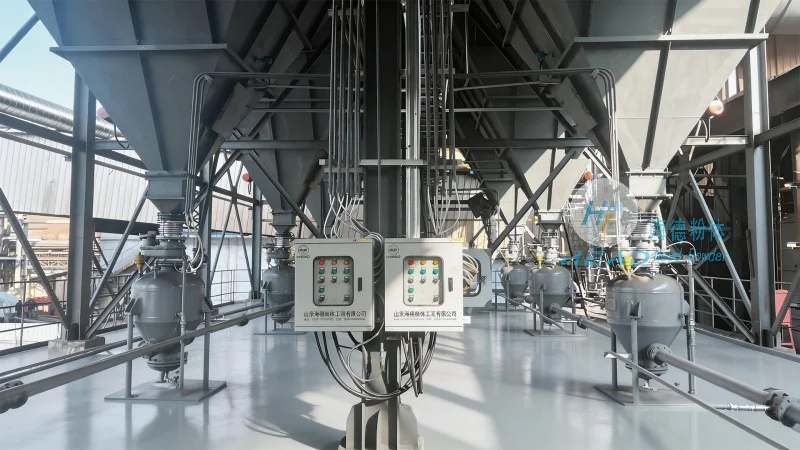
- Feed Hopper: This is the initial storage unit where raw baking powder is received. It is designed with a wide opening to facilitate easy loading and a sloped bottom to prevent material bridging, which can cause blockages.
- Conveyor System: The conveyor is the core of the material handling process, responsible for transporting baking powder from the feed hopper to the storage silo or packaging area. Various types of conveyors, such as screw conveyors or pneumatic conveyors, are used depending on the specific requirements. Screw conveyors are ideal for handling dry, free-flowing powders like baking powder, as they provide gentle and continuous movement.
- Storage Silo: The storage silo is used to store the baking powder in bulk, ensuring a steady supply for production. It is equipped with a discharge valve and a level indicator to monitor the material level inside. The silo is typically made of stainless steel to prevent corrosion and maintain product quality.
- Packaging Unit: The final component in the system is the packaging unit, which prepares the baking powder for distribution. It includes scales, filling mechanisms, and sealing equipment to ensure accurate and consistent packaging.
Benefits of an Efficient Material Handling System
Implementing a well-designed baking powder material handling system offers numerous benefits for manufacturers. Firstly, it enhances operational efficiency by reducing downtime and improving the speed of material transfer. The system minimizes manual handling, which not only speeds up production but also reduces the risk of human error. Secondly, it improves product quality by ensuring consistent handling and preventing contamination. The gentle handling and dust control features help maintain the product's purity and performance characteristics. Thirdly, it enhances safety in the workplace by reducing the exposure of workers to dust and the risk of accidents associated with manual handling. The enclosed systems and automated controls minimize the need for direct human interaction with the material, creating a safer working environment.
Conclusion
In conclusion, a baking powder material handling system is a critical component in the baking industry, designed to efficiently and safely handle the unique properties of baking powder. The design principles, including dust control, gentle handling, hygiene, and automation, ensure that the system meets the high standards required for food production. By investing in a well-engineered material handling system, manufacturers can improve their operational efficiency, product quality, and workplace safety. For businesses seeking reliable solutions for their baking powder handling needs, Shandong HeadPowder Engineering Co., Ltd. offers specialized systems tailored to meet these requirements, providing a comprehensive approach to material handling in the baking industry.