

Technical Analysis of Aggregate Pneumatic Conveying Systems: Comparison of Positive Pressure vs. Neg
Aggregate pneumatic conveying systems are critical components in various industrial processes, particularly in the construction and manufacturing sectors where the efficient transport of bulk materials like sand, gravel, and other construction aggregates is essential. This technical analysis delves into the two primary conveying modes—positive pressure and negative pressure systems—providing a comprehensive comparison of their operational principles, advantages, and applications. The discussion is presented by Shandong HeadPowder Engineering Co., Ltd., a leading provider of engineering solutions based in Shandong, China.
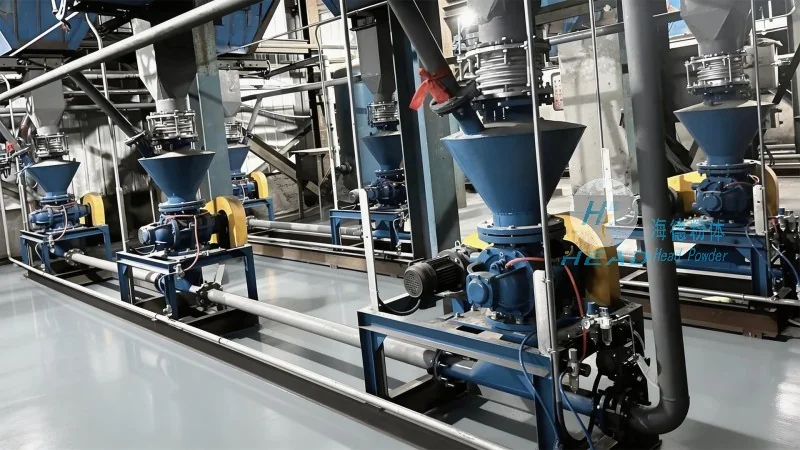
Introduction to Aggregate Pneumatic Conveying
Pneumatic conveying systems utilize air or gas to transport bulk materials through a pipeline network. For aggregate materials, which often require high transport efficiency and minimal degradation, these systems offer a flexible and effective solution. The choice between positive pressure and negative pressure systems depends on factors such as material characteristics, distance, and system complexity. Understanding the technical nuances of each mode is crucial for selecting the most suitable system for specific industrial needs.
Positive Pressure Pneumatic Conveying Systems
Positive pressure systems operate by blowing air or gas into the conveying line, creating a pressure higher than the ambient air pressure. This method propels the material through the pipeline. A key component in positive pressure systems is the blower or compressor, which generates the necessary pressure to move the material. The system typically includes a hopper for material storage, a feeder to control the flow rate, and a discharge point where the material is released. The positive pressure approach is often preferred for long-distance or high-volume transport due to its ability to handle abrasive materials and maintain consistent flow rates.
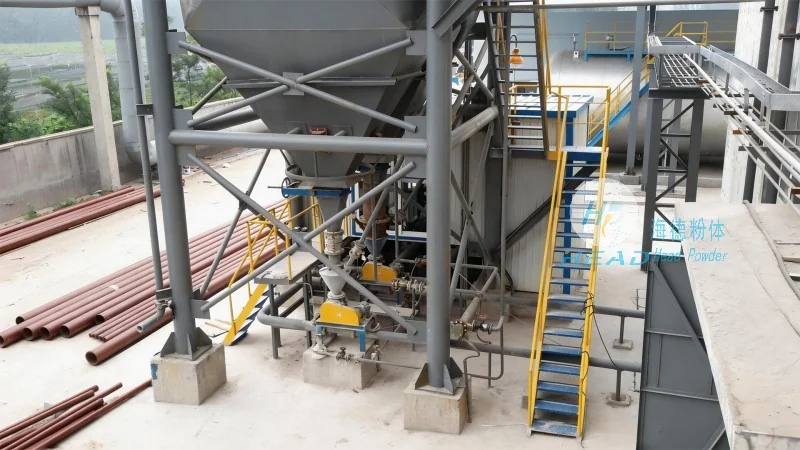
Key Features of Positive Pressure Systems
Positive pressure systems are known for their robustness and reliability. They can handle a wide range of material sizes and densities, making them suitable for various aggregate types. The high pressure ensures that the material is fully suspended in the air stream, reducing wear on the pipeline and components. Additionally, these systems can operate at higher temperatures, which is beneficial when transporting hot materials. The main advantage of positive pressure is its ability to maintain a consistent pressure throughout the system, minimizing the risk of material blockages or clogs. However, they may require more energy compared to negative pressure systems, as the blower needs to generate sufficient pressure to overcome resistance in the pipeline.
Negative Pressure Pneumatic Conveying Systems
Negative pressure systems, also known as suction or vacuum systems, operate by creating a vacuum in the conveying line, drawing material from the source into the pipeline. The system uses a vacuum pump to remove air from the line, creating a pressure lower than the ambient air pressure. This suction force pulls the material through the pipeline. Negative pressure systems are commonly used for shorter distances and for materials that are less abrasive or have lower bulk density.
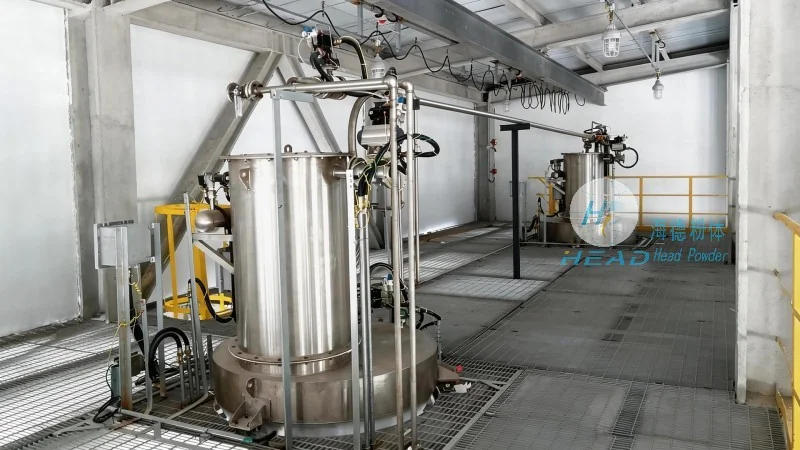
Key Features of Negative Pressure Systems
Negative pressure systems are generally more energy-efficient than positive pressure systems, as they rely on the vacuum pump to create the suction force rather than a high-pressure blower. This makes them suitable for applications where energy consumption is a concern. The system typically includes a hopper, a feeder, and a vacuum pump, with the material being drawn from the hopper into the pipeline. The main advantage of negative pressure is its lower operational cost and reduced energy consumption. However, these systems may have limitations in handling highly abrasive or large-sized materials, as the vacuum may not be sufficient to fully suspend the material, leading to increased wear on the pipeline and components. Additionally, negative pressure systems are more susceptible to clogging if the material is too fine or has high moisture content.
Comparison of Positive and Negative Pressure Systems
When comparing positive and negative pressure pneumatic conveying systems, several factors come into play. The choice between the two modes depends on the specific requirements of the application, including the material properties, transport distance, and system budget. Positive pressure systems are generally more suitable for long-distance, high-volume transport of abrasive or dense materials, while negative pressure systems are better for shorter distances and less demanding applications. From an energy perspective, negative pressure systems are more efficient, but they may not be as robust as positive pressure systems in handling challenging materials. The selection also considers the initial investment and maintenance costs. Positive pressure systems may require more expensive blower units and higher maintenance, whereas negative pressure systems have lower upfront costs but may need more frequent maintenance of the vacuum pump and pipeline.
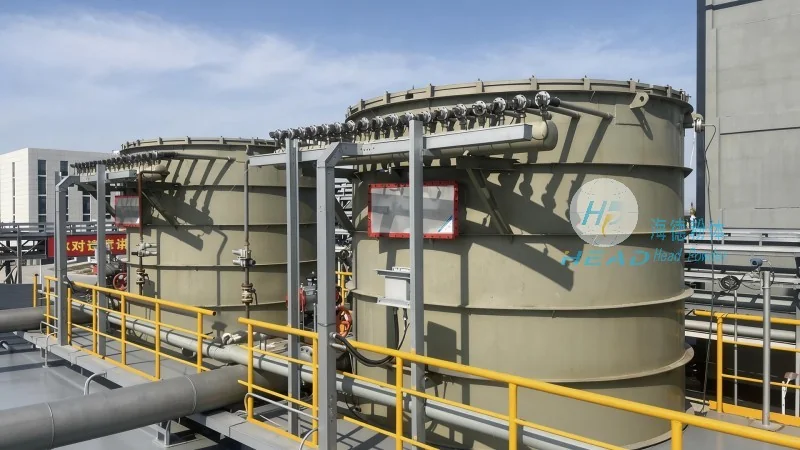
Application Scenarios and Practical Considerations
Practical considerations play a significant role in the selection of the appropriate pneumatic conveying system. For example, in construction sites where aggregates need to be transported over long distances from a quarry to a processing plant, a positive pressure system might be preferred due to its ability to handle high volumes and abrasive materials. Conversely, in a small-scale manufacturing facility where short-distance transport of fine aggregates is required, a negative pressure system could be more cost-effective. The system design also needs to account for the material's moisture content and particle size. High moisture content can affect the flow characteristics and may require additional drying or conditioning before transport. Particle size distribution is another critical factor; larger particles may require higher air velocities to ensure proper suspension, which can impact the energy consumption and system efficiency.
Conclusion and Recommendations
In conclusion, both positive pressure and negative pressure pneumatic conveying systems offer effective solutions for aggregate transport, each with its own set of advantages and limitations. The selection of the most suitable system depends on a thorough analysis of the material characteristics, transport requirements, and operational constraints. Shandong HeadPowder Engineering Co., Ltd. specializes in designing and implementing customized pneumatic conveying solutions tailored to the specific needs of clients, ensuring optimal performance and efficiency in various industrial applications. By understanding the technical differences between these systems, industries can make informed decisions to enhance their material handling processes and improve overall operational productivity.