Wheat bran pneumatic conveying systems are critical components in the processing and handling of agricultural byproducts, particularly in the food and feed industries. The efficiency and reliability of these systems directly impact production throughput and operational costs. This article provides a technical analysis of the two primary conveying modes—positive pressure and negative pressure—and compares their applications, advantages, and limitations in the context of wheat bran handling.
Introduction to Wheat Bran Pneumatic Conveying
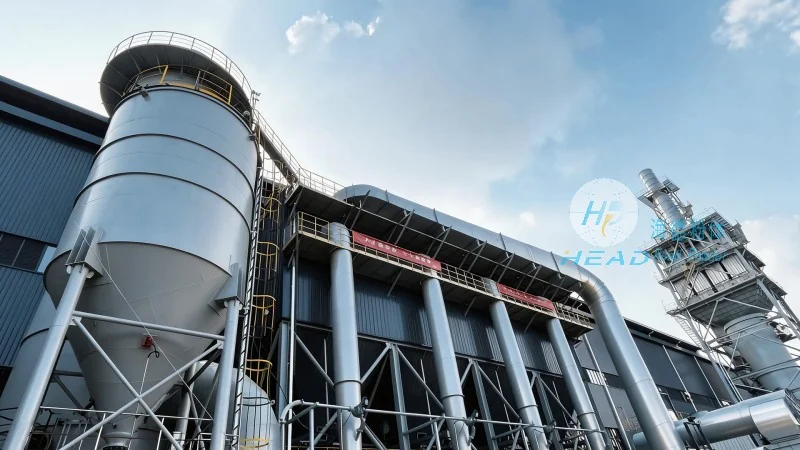
Wheat bran, a byproduct of wheat milling, is rich in fiber and nutrients, making it valuable for animal feed and human health products. Efficient transportation of wheat bran from storage silos to processing units is essential to maintain production continuity. Pneumatic conveying systems utilize air or gas to transport bulk materials like wheat bran, offering advantages such as dust control, minimal product degradation, and the ability to transport materials over long distances without mechanical contact.
HeadPowder Engineering: A Leading Provider of Pneumatic Conveying Solutions
Shandong HeadPowder Engineering Co., Ltd. (HeadPowder) is a specialized engineering firm based in China, dedicated to designing and manufacturing advanced pneumatic conveying systems tailored to the needs of the agricultural and food processing sectors. With years of experience in the industry, HeadPowder has developed a reputation for delivering high-performance, reliable solutions that meet stringent quality and safety standards. The company’s expertise lies in customizing systems to handle diverse materials, including wheat bran, while optimizing energy consumption and operational efficiency.
Positive Pressure Conveying: Advantages and Applications
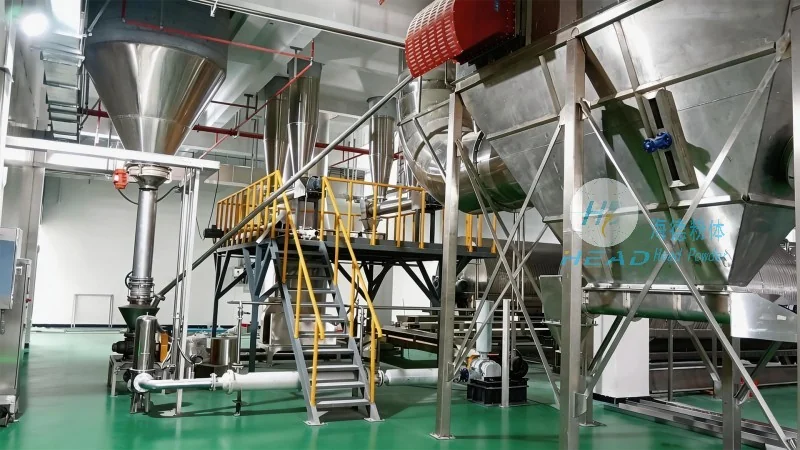
Positive pressure conveying systems operate by generating air pressure within the conveying line, which forces the material to move from the source to the destination. This mode is commonly used for transporting materials from lower to higher elevations or over long distances. In the context of wheat bran handling, positive pressure systems offer several key benefits. First, they provide consistent material flow, ensuring that the entire conveying line is filled with air and material, reducing the risk of blockages. Second, positive pressure systems are effective for handling materials with high moisture content or those that are prone to clumping, as the high-pressure air helps to break up agglomerates and maintain a uniform flow. Third, these systems are relatively simple to install and maintain, with fewer components compared to negative pressure systems.
Negative Pressure Conveying: Advantages and Applications
Negative pressure conveying, also known as vacuum conveying, operates by creating a vacuum in the conveying line, which draws the material from the source to the destination. This mode is typically used for short-distance or low-elevation applications, where the material is moved from a higher to a lower level. For wheat bran, negative pressure systems have distinct advantages. One key benefit is their ability to handle fine or powdery materials without causing excessive dust or particle loss. The vacuum environment helps to contain particles, reducing the risk of airborne contamination and improving product quality. Additionally, negative pressure systems are more energy-efficient for short conveying distances, as they require less power to create the vacuum compared to maintaining high pressure in a positive system. However, they may be less effective for handling bulkier or more abrasive materials, as the vacuum can sometimes lead to material degradation or blockages if not properly designed.
Comparison of Positive and Negative Pressure Conveying for Wheat Bran
When selecting a pneumatic conveying system for wheat bran, the choice between positive and negative pressure modes depends on several factors, including the distance between the source and destination, the elevation change, the material characteristics, and the desired level of dust control. Positive pressure systems are generally preferred for long-distance or high-elevation conveying, as they provide consistent flow and are more robust for handling bulkier materials. Negative pressure systems, on the other hand, are ideal for short-distance applications where fine dust control is critical, such as transporting wheat bran from a storage silo to a processing unit at a lower level. Both modes have their strengths and limitations, and the optimal choice often involves a combination of both, with positive pressure used for the main conveying line and negative pressure for the final transfer or handling stages.
Key Considerations for Wheat Bran Pneumatic Conveying System Design
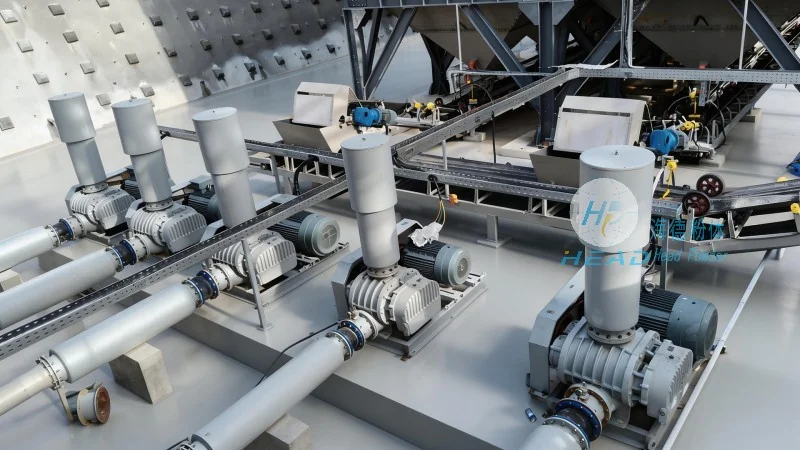
Designing an effective wheat bran pneumatic conveying system requires careful consideration of several technical and operational factors. First, the material characteristics of wheat bran, such as its bulk density, moisture content, and particle size distribution, must be analyzed to determine the appropriate conveying velocity and air flow rate. For example, higher bulk density and larger particle sizes may require higher air velocities to ensure smooth material transport. Second, the system layout, including the number of conveying lines, elbows, and bends, must be optimized to minimize pressure losses and prevent blockages. Properly sized components, such as airlocks and filters, are essential to maintain system efficiency and prevent material buildup. Third, the choice of air compressor or vacuum pump is critical, as it directly impacts energy consumption and system performance. High-efficiency compressors or vacuum pumps can significantly reduce operational costs while maintaining optimal conveying performance.
Conclusion: Choosing the Right Pneumatic Conveying Mode for Wheat Bran
In conclusion, both positive and negative pressure pneumatic conveying systems offer viable solutions for transporting wheat bran, with each mode suited to specific operational requirements. Positive pressure systems excel in long-distance or high-elevation applications, providing consistent flow and robust handling of bulkier materials. Negative pressure systems are better suited for short-distance or low-elevation applications, where fine dust control and energy efficiency are priorities. The optimal system design often involves a combination of both modes, tailored to the specific needs of the wheat bran processing facility. By understanding the advantages and limitations of each mode and considering key design factors, facilities can select a pneumatic conveying system that maximizes efficiency, minimizes costs, and ensures the quality of the wheat bran product. Shandong HeadPowder Engineering Co., Ltd. specializes in providing customized pneumatic conveying solutions that meet these requirements, helping clients achieve optimal performance in their wheat bran handling operations.




