HeadPowder, a leading engineering company based in Shandong, China, specializes in the design and implementation of specialized material handling systems tailored for industries dealing with bulk materials like salt. This article explores the concept of a salt material handling system and the fundamental design principles that govern its operation.
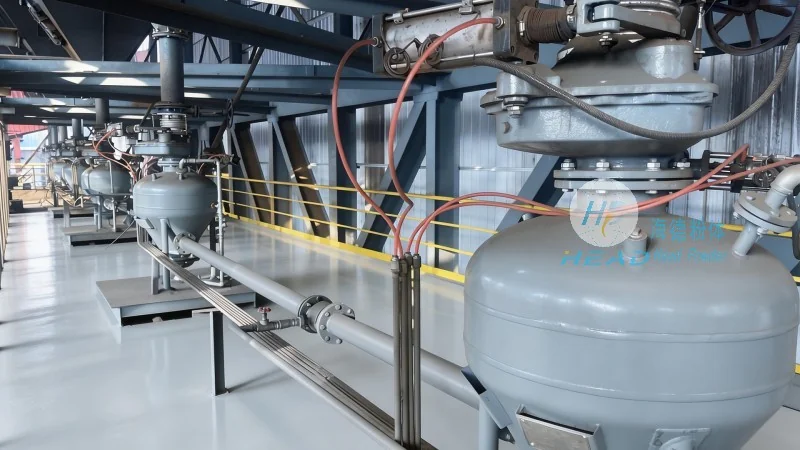
Introduction to Salt Material Handling Systems
A salt material handling system refers to the integrated machinery and equipment used to transport, store, and process salt from its raw state to its final application. This encompasses a range of processes including unloading from trucks or ships, storage in silos or piles, and conveying to processing units or packaging areas. The efficiency and reliability of such systems are critical for ensuring consistent supply and quality control in salt production and distribution.
Key Components of a Salt Material Handling System
The core components of a salt material handling system typically include feeders, conveyors, storage silos, and control systems. Feeders are used to regulate the flow of salt from storage to the conveyor system, ensuring a steady and controlled feed rate. Conveyors, such as belt conveyors or screw conveyors, are essential for transporting salt over horizontal or inclined distances. Storage silos or bulk storage piles are used to hold large quantities of salt, providing a buffer for production and preventing material loss or contamination. Control systems, often integrated with sensors and automation, monitor and adjust the operation of the system to maintain optimal performance and safety.
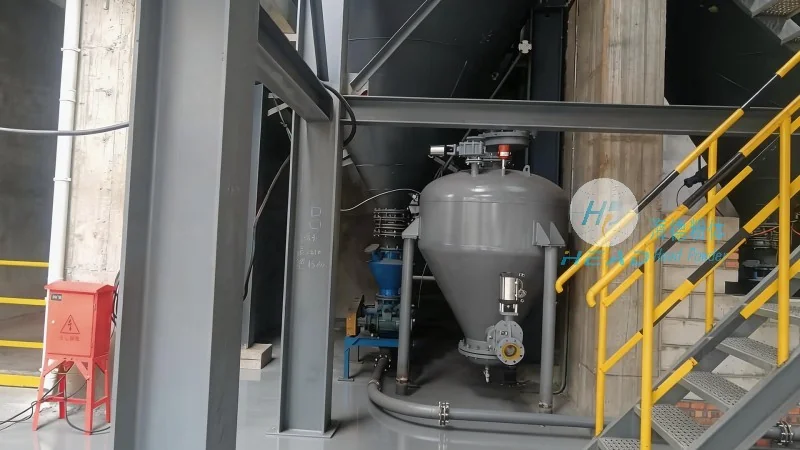
Design Principles for Salt Material Handling Systems
The design of a salt material handling system must adhere to several key principles to ensure efficiency, safety, and durability. First, the system must be designed to handle the physical properties of salt, including its granular nature, moisture content, and potential for caking or bridging. This involves selecting appropriate equipment materials and configurations to prevent material buildup or blockages. Second, the system must prioritize safety, considering factors such as dust control, explosion prevention, and personnel protection. Salt handling environments often involve dust, which can be a fire hazard, so dust suppression systems and explosion-proof designs are critical. Third, the system must be built for durability and long-term operation, as salt handling equipment is subject to abrasive wear from the material itself. Materials like stainless steel or specialized coatings are often used to extend the lifespan of components.
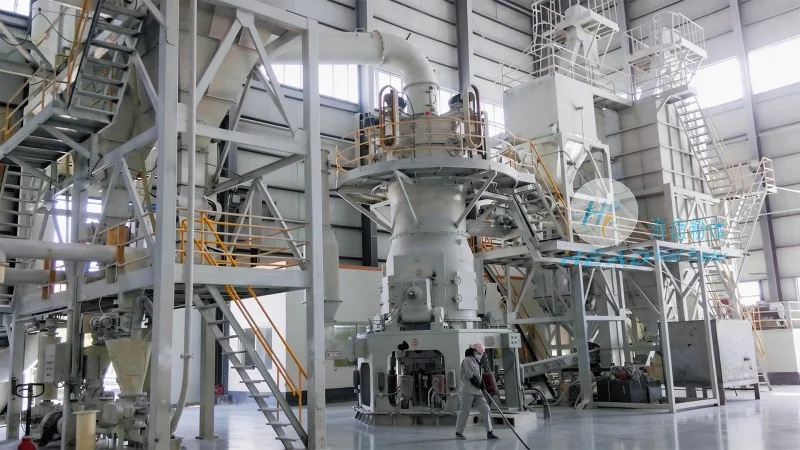
Application and Benefits of Salt Material Handling Systems
Salt material handling systems are widely used in various industries, including food processing, de-icing, water treatment, and chemical manufacturing. The benefits of an efficient system include improved production throughput, reduced labor costs, minimized material loss, and enhanced safety. By streamlining the handling process, companies can achieve greater operational efficiency and maintain consistent product quality. Additionally, well-designed systems can reduce downtime due to maintenance or equipment failure, contributing to overall cost savings.
Conclusion
HeadPowder Engineering Co., Ltd., with its headquarters in Shandong, China, offers comprehensive solutions for salt material handling systems. By adhering to the fundamental design principles discussed above, their systems ensure reliable operation, safety, and durability. Whether for industrial or commercial applications, a well-designed salt material handling system is essential for optimizing the handling of this vital material. For more information on their engineering solutions, contact HeadPowder at their address in Shandong.




