

What is a Fertilizer Granular Material Conveying System? And What Are Its Design Principles?
For businesses in the fertilizer industry, the efficient and reliable transport of granular materials is a critical aspect of production and logistics. A fertilizer granular material conveying system is a specialized piece of equipment designed to handle the movement of fertilizer granules from one location to another within a facility or between different stages of the production process. This system plays a vital role in ensuring smooth operations, minimizing downtime, and maintaining product quality. In this article, we will explore what a fertilizer granular material conveying system is and delve into its fundamental design principles.
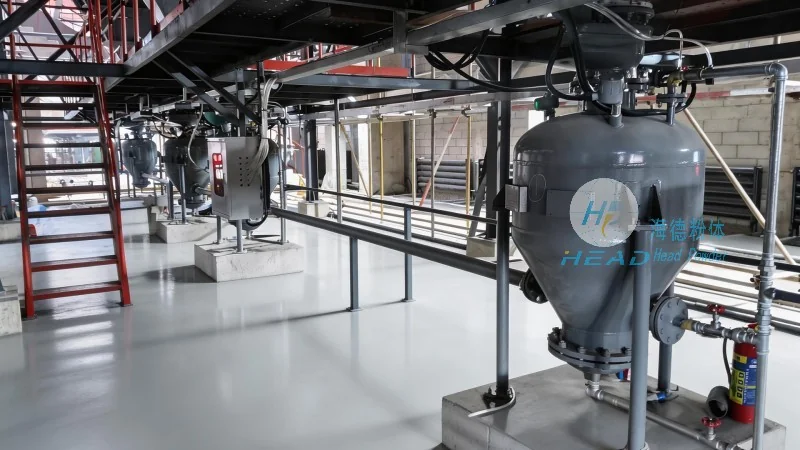
Understanding the Fertilizer Granular Material Conveying System
A fertilizer granular material conveying system is a mechanical system engineered to transport granular fertilizer materials, such as nitrogen, phosphorus, or potassium-based fertilizers, from storage silos or production units to processing equipment, packaging lines, or storage areas. These systems are essential for optimizing the flow of materials in fertilizer manufacturing plants, agricultural facilities, and related industries. The primary components of such a system typically include feeders, conveyors, control systems, and safety mechanisms, all working in tandem to ensure the efficient and safe movement of granular materials.
Key Design Principles of the Conveying System
The design of a fertilizer granular material conveying system is guided by several key principles aimed at maximizing efficiency, durability, and safety. These principles are tailored to the unique characteristics of fertilizer granules, which can vary in size, density, and moisture content. Here are the main design considerations:
1. Material Handling Characteristics
One of the fundamental design principles is to account for the physical properties of the fertilizer granules. Granular fertilizers can be abrasive, which means the conveying system must be constructed from materials that can withstand wear and tear. Additionally, the system must be designed to handle variations in particle size and density, ensuring consistent flow rates and preventing blockages or uneven distribution. Proper material selection for components like hoppers, chutes, and conveyor belts is crucial to minimize wear and extend the system's lifespan.
2. Flow Control and Uniformity
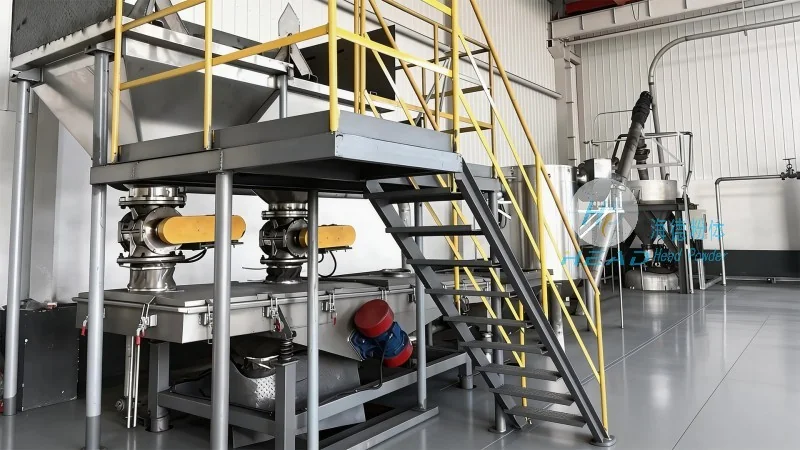
Uniform material flow is essential for maintaining the quality of the fertilizer and preventing issues such as segregation or clumping. The design incorporates flow control mechanisms, such as rotary feeders or screw conveyors, to regulate the rate at which granules are discharged from the storage silo. These mechanisms ensure a steady and controlled flow of material into the conveyor system, reducing the risk of overloading or underloading the equipment. Proper flow control also helps in maintaining consistent product quality by preventing the mixing of different fertilizer grades or the introduction of contaminants.
3. Energy Efficiency and Operational Costs
Energy efficiency is a critical design principle for any conveying system, as it directly impacts operational costs and environmental sustainability. The system is designed to minimize energy consumption while maintaining optimal performance. This is achieved through the use of efficient motor drives, variable speed control, and optimized conveyor designs that reduce friction and energy loss. By reducing energy consumption, the conveying system contributes to lower operational costs and a smaller carbon footprint, which is increasingly important for businesses in the fertilizer industry.
4. Safety and Environmental Considerations
Safety is a paramount design principle in the construction of fertilizer granular material conveying systems. The system must be equipped with safety features to protect operators and prevent accidents. This includes features such as emergency stop buttons, interlocks, and sensors that detect blockages or overloads. Additionally, the system is designed to minimize dust emissions and prevent the release of harmful particles into the environment. Proper sealing and dust collection systems are incorporated to ensure compliance with environmental regulations and to maintain a safe working environment.
5. Scalability and Flexibility
The design of the conveying system also considers scalability and flexibility to accommodate future growth or changes in production requirements. The system is built with modular components that can be easily expanded or modified to handle increased production volumes or different types of fertilizer products. This flexibility allows businesses to adapt to changing market demands and technological advancements without the need for a complete system overhaul.
Components of a Typical Fertilizer Granular Material Conveying System
Understanding the components of a fertilizer granular material conveying system helps in grasping how the design principles are implemented. A typical system includes several key components:
1. Storage Silo and Hopper
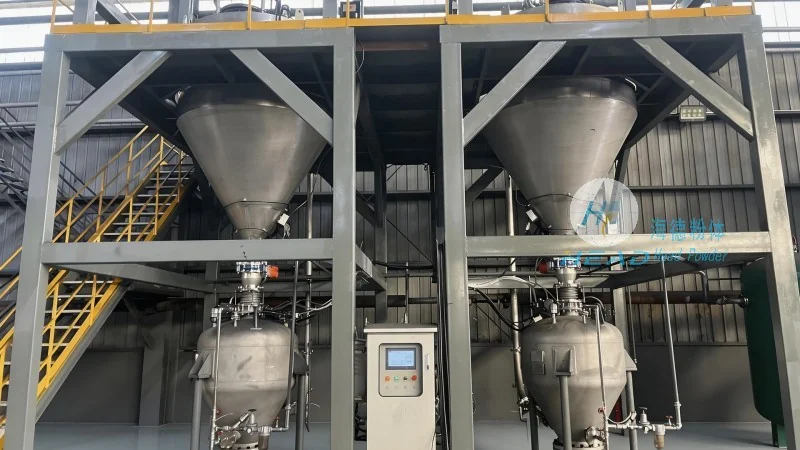
The system begins with a storage silo or hopper where the fertilizer granules are stored. The hopper is designed to maintain the material's integrity and prevent segregation. It is typically made of durable materials such as steel or concrete and is equipped with a discharge valve or feeder to control the flow of material into the conveyor system.
2. Feeder and Control System
The feeder is a critical component that regulates the flow of granules from the hopper to the conveyor. Common types of feeders include rotary feeders, screw conveyors, and vibratory feeders. The control system monitors and adjusts the feeder's operation to maintain a consistent flow rate, ensuring that the conveyor receives a steady supply of material. This control system may include sensors, controllers, and feedback mechanisms to optimize performance.
3. Conveyor System
The conveyor system is the heart of the conveying process, responsible for transporting the granules from the feeder to the next stage of the production process. There are several types of conveyors used in fertilizer applications, including belt conveyors, chain conveyors, and pneumatic conveyors. The choice of conveyor depends on factors such as the material's characteristics, the distance to be covered, and the required flow rate. Belt conveyors are commonly used for horizontal or slightly inclined transport due to their efficiency and low maintenance. Chain conveyors are suitable for steeper inclines or when handling heavier loads. Pneumatic conveyors use air to transport the granules, which is ideal for handling fine or dusty materials.
4. Control and Monitoring System
The control and monitoring system ensures that the entire conveying process operates smoothly and efficiently. This system includes sensors to monitor the level of material in the hopper, the flow rate of the conveyor, and the temperature or pressure of the system. It also includes alarms and safety interlocks to alert operators of any issues, such as blockages or overloads. The control system may be integrated with a programmable logic controller (PLC) or a more advanced automation system to optimize performance and reduce downtime.