

[Cement Dry Ash Conveying Systems: An Introduction and the Advantages of Pneumatic Transport]
For industrial applications involving the handling and transportation of cement dry ash, efficient and reliable systems are crucial. This article provides an overview of cement dry ash conveying systems, focusing on the benefits and characteristics of pneumatic transport methods. The information is presented by Shandong HeadPowder Engineering Co., Ltd., a company based in Shandong, China, specializing in engineering solutions for material handling.
Introduction to Cement Dry Ash Conveying Systems
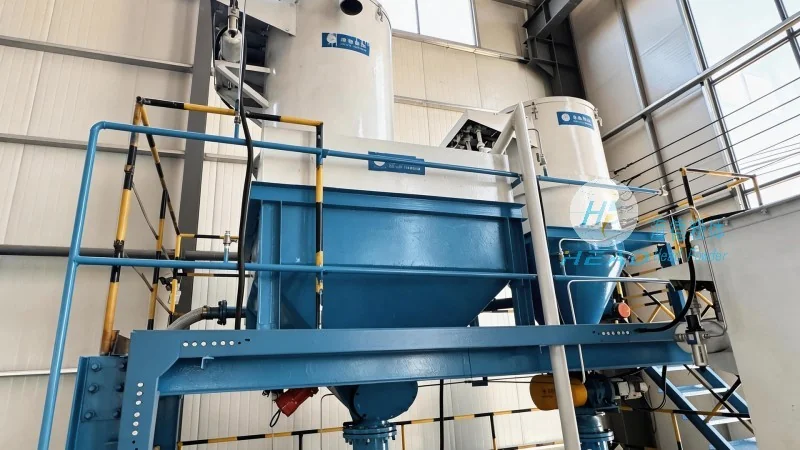
Cement dry ash, often a byproduct from cement production processes, requires specialized equipment for safe and effective transportation. Traditional methods like belt conveyors or manual handling may pose challenges such as dust exposure, material degradation, and operational inefficiencies. Cement dry ash conveying systems address these issues by integrating advanced technologies to ensure consistent and secure movement of the material. These systems are designed to handle the unique properties of cement dry ash, including its fine particle size and potential for dust generation, while maintaining compliance with safety and environmental standards.
Advantages of Pneumatic Cement Dry Ash Transport
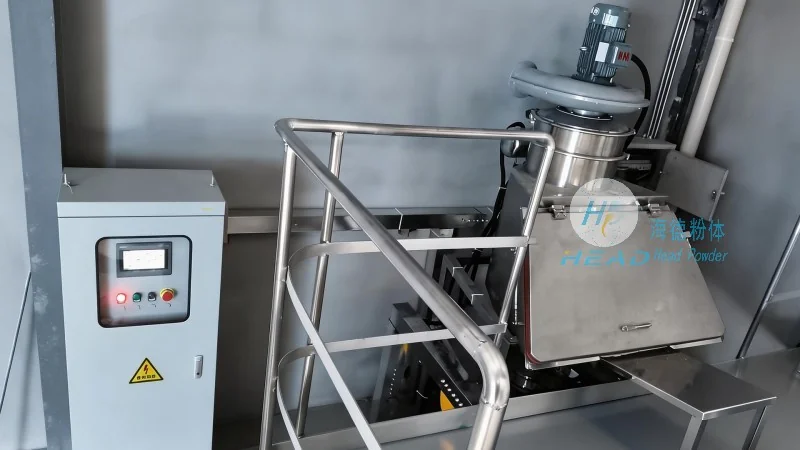
Pneumatic transport, also known as air conveying, offers several key advantages for the movement of cement dry ash. One of the primary benefits is the ability to transport material over long distances without the need for multiple transfer points or complex infrastructure. This reduces downtime and operational costs associated with traditional conveyor systems. Additionally, pneumatic systems provide excellent control over the flow rate and direction of the material, allowing for precise delivery to processing units or storage facilities. The enclosed nature of pneumatic transport minimizes dust dispersion, enhancing workplace safety and reducing environmental impact. Furthermore, these systems can handle a wide range of particle sizes and moisture content, making them versatile for various cement production and processing applications.
Key Features and Technical Specifications
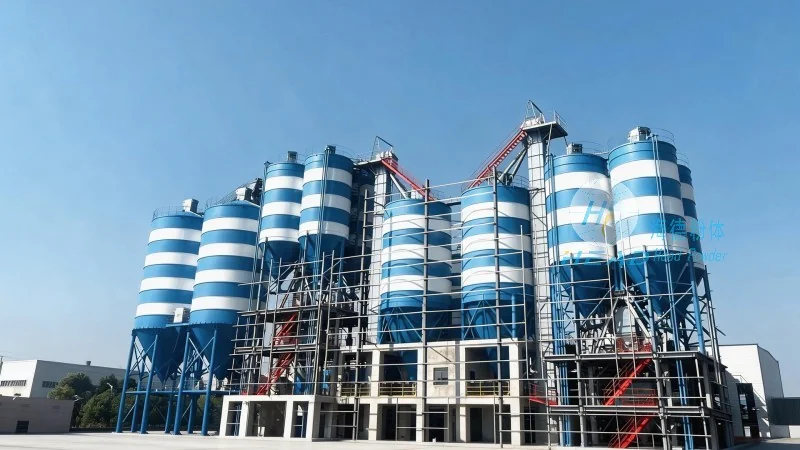
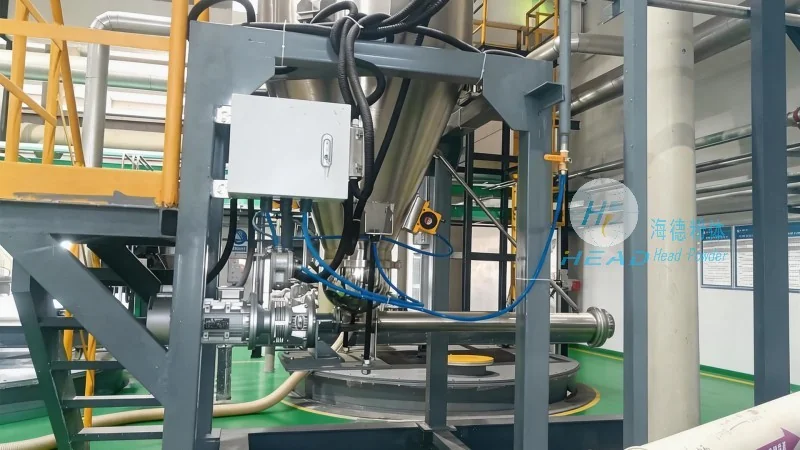
The cement dry ash conveying systems offered by Shandong HeadPowder Engineering Co., Ltd. incorporate several key features that enhance performance and reliability. These systems typically include high-efficiency air blowers, flexible hoses or pipelines, and specialized dust collection units to ensure optimal material handling. The air blowers are designed to generate sufficient pressure and airflow to move the dry ash through the system, while the flexible components allow for easy installation and adaptation to different layouts. The dust collection units are equipped with filtration systems to capture and contain any airborne particles, preventing contamination and maintaining air quality. Technical specifications may vary based on the specific requirements of the application, including the volume of material to be transported, the distance of transport, and the desired flow rate. The company's engineers work closely with clients to customize solutions that meet these specific needs, ensuring optimal performance and cost-effectiveness.
Applications and Industries
Cement dry ash conveying systems are widely used in various industries where cement production and processing are involved. These systems are essential in cement plants for transporting ash from storage silos to processing units or for moving ash to disposal or recycling facilities. In addition, they are utilized in construction and manufacturing sectors where cement dry ash is used as a raw material or additive in other production processes. The versatility of pneumatic transport makes it suitable for applications in chemical, pharmaceutical, and food processing industries as well, where the handling of fine powders requires precision and safety. The systems are designed to meet the specific demands of each industry, ensuring that the material is handled in a manner that maximizes efficiency and minimizes risks.
Conclusion and Company Overview
In conclusion, cement dry ash conveying systems, particularly those utilizing pneumatic transport, offer significant advantages in terms of efficiency, safety, and environmental compliance. The systems provided by Shandong HeadPowder Engineering Co., Ltd. are engineered to address the unique challenges of handling cement dry ash, providing reliable and cost-effective solutions for industrial applications. With a focus on innovation and customer satisfaction, the company continues to develop advanced material handling technologies that meet the evolving needs of the industry. Based in Shandong, China, HeadPowder Engineering Co., Ltd. serves clients globally, delivering high-quality solutions that enhance operational performance and ensure long-term success in material transportation.