

What is a Grain and Bulk Material Conveying System? What Are Its Design Principles?
Grain and bulk material conveying systems are fundamental to modern industrial operations, particularly in sectors like agriculture, food processing, and manufacturing. These systems are engineered to efficiently transport large volumes of granular materials such as grains, powders, and other bulk substances from one location to another. Understanding the core components and underlying design principles of these systems is essential for optimizing material handling processes, enhancing operational efficiency, and ensuring consistent performance across various applications.
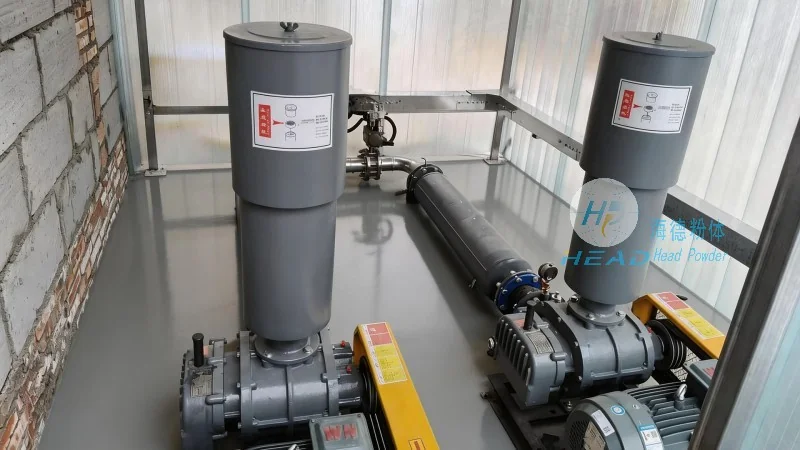
Defining Grain and Bulk Material Conveying Systems
A grain and bulk material conveying system typically comprises several interconnected components, including feeders, conveyors, and control mechanisms. Feeders are responsible for uniformly delivering the material into the conveyor system, ensuring a steady and controlled flow. Conveyors, which can take various forms such as belt conveyors, screw conveyors, or pneumatic systems, are the primary means of transporting the material through the system. Control systems manage the operation of these components, regulating speed, direction, and material throughput to maintain optimal performance. The design of these systems must account for factors like material characteristics, handling capacity, and the required distance of transport to ensure reliability and efficiency.
Core Design Principles for Effective Material Transport
The design of a grain and bulk material conveying system is guided by several key principles aimed at maximizing efficiency, minimizing energy consumption, and ensuring durability. One critical principle is the selection of appropriate conveyor types based on the specific properties of the material being handled. For instance, belt conveyors are widely used for transporting loose grains and powders due to their ability to handle diverse materials and their relatively low maintenance requirements. Screw conveyors, on the other hand, are ideal for materials with higher moisture content or those that are more cohesive, as they provide a more controlled and consistent flow.

Another essential design principle is the consideration of material flow and friction. Proper system design ensures that the material moves smoothly along the conveyor without excessive friction, which can lead to material degradation or increased wear on components. This involves selecting appropriate conveyor surfaces, such as smooth belts or coated screws, and ensuring proper alignment and tensioning of the system parts. Additionally, the layout and integration of the conveying system with other processing equipment are crucial for seamless material handling, reducing bottlenecks and improving overall throughput.
HeadPowder's Expertise in Conveying System Design
Shandong HeadPowder Engineering Co., Ltd., a leading manufacturer in the field, specializes in the design, development, and implementation of advanced grain and bulk material conveying systems. With a strong focus on innovation and customer-centric solutions, HeadPowder leverages its technical expertise to create customized systems tailored to the unique needs of each client. The company's engineers collaborate closely with clients to understand their operational requirements, material characteristics, and budget constraints, ensuring that the final design meets all performance and safety standards.
HeadPowder's approach to system design emphasizes efficiency, reliability, and durability. By integrating state-of-the-art technologies and high-quality materials, the company's systems are built to withstand the rigors of continuous operation in demanding environments. For example, their conveyors are equipped with advanced control systems that enable real-time monitoring and adjustment of material flow, optimizing energy usage and reducing operational costs. The company also prioritizes safety, incorporating features such as emergency stop mechanisms and material containment systems to protect both personnel and equipment.
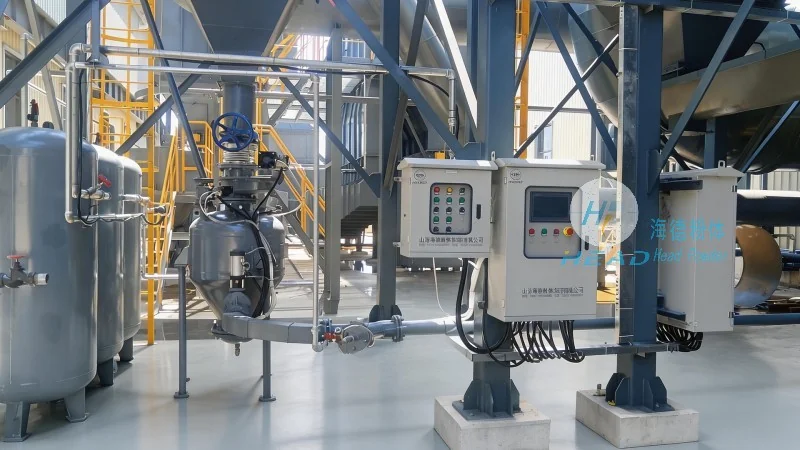
Applications and Benefits of Advanced Conveying Solutions
Grain and bulk material conveying systems designed by HeadPowder find applications across a wide range of industries, including agriculture, food processing, chemical manufacturing, and mining. In the agricultural sector, these systems are used for the efficient transport of grains from storage facilities to processing plants or for distribution to markets. In food processing, they play a vital role in moving raw materials like flour, sugar, and other powders through production lines, ensuring consistent quality and reducing processing time. The benefits of using advanced conveying systems extend beyond efficiency, as they also contribute to improved safety, reduced labor costs, and enhanced product quality.
For businesses operating in these industries, investing in a well-designed conveying system can lead to significant improvements in operational performance. By minimizing downtime, reducing material waste, and enhancing overall productivity, these systems provide a competitive edge in a market where efficiency is paramount. HeadPowder's commitment to quality and innovation ensures that their clients receive systems that not only meet current industry standards but also adapt to future technological advancements, providing long-term value and reliability.