

What is an Organic Salt Material Handling System? And What Are Its Design Principles?
Organic salt material handling systems are specialized equipment and processes designed to transport and manage organic salt materials efficiently. These systems are crucial in various industrial applications, including chemical processing, food production, and environmental management. Understanding the components and design principles of such systems is essential for optimizing material flow, ensuring safety, and enhancing operational efficiency.
Understanding Organic Salt Material Handling Systems
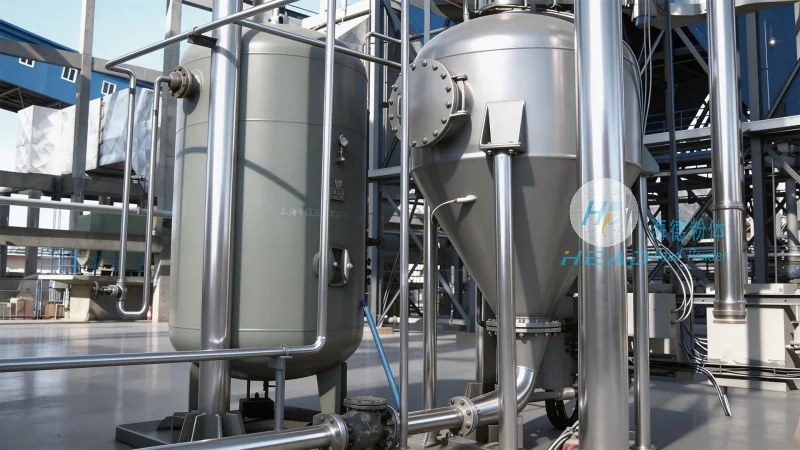
An organic salt material handling system encompasses a range of equipment and mechanisms tailored to handle organic salt materials, which are typically salts derived from organic compounds. These materials may include sodium acetate, potassium chloride, or other organic-based salts used in industrial processes. The primary goal of these systems is to facilitate the movement of these materials from storage to processing areas, or from processing to packaging and distribution points. The design of these systems must consider the physical and chemical properties of the organic salt, such as its moisture content, particle size, and reactivity, to ensure safe and effective handling.
Key Components of Organic Salt Material Handling Systems
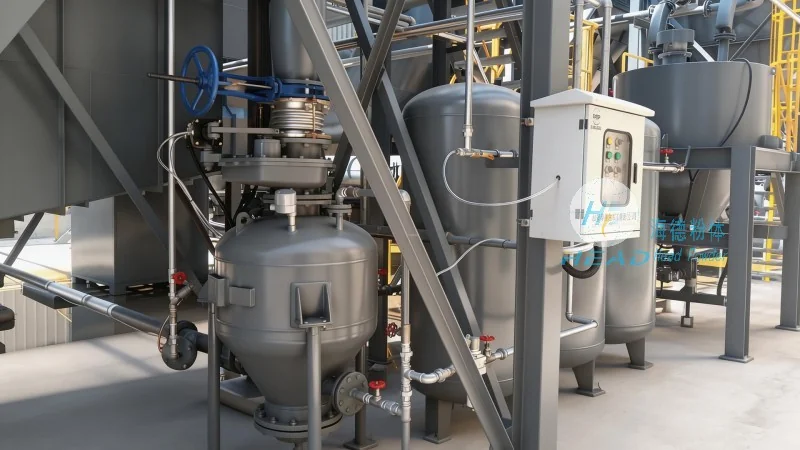
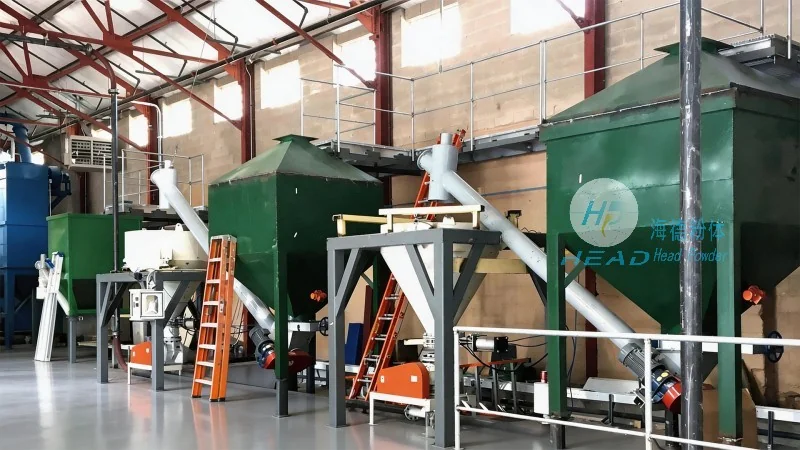
The core components of an organic salt material handling system include storage silos or hoppers, conveying equipment like belt conveyors or screw conveyors, feeding mechanisms, and control systems. Storage silos are used to store large quantities of organic salt, providing a stable and controlled environment to prevent moisture absorption or degradation. Conveying equipment is responsible for transporting the material from the storage area to the processing line or other destinations. Feeding mechanisms, such as rotary valves or feeders, regulate the flow of material into the conveying system, ensuring consistent and controlled discharge. Control systems, often integrated with sensors and automation technology, monitor and adjust the system's operation to maintain optimal performance and safety.
Design Principles for Organic Salt Material Handling Systems
The design of organic salt material handling systems follows several key principles to ensure efficiency, safety, and reliability. One of the primary principles is material compatibility, where the system components are selected to withstand the chemical and physical properties of the organic salt. For example, materials like stainless steel or specialized plastics may be used to prevent corrosion or contamination. Another principle is flow optimization, which involves designing the system to minimize material degradation, blockages, or segregation. This includes proper hopper design, smooth surfaces, and consistent material flow to prevent issues like bridging or rat-holing. Additionally, safety considerations are paramount, with features like explosion-proof designs, dust suppression systems, and emergency shutdown mechanisms integrated into the system to protect personnel and equipment.
HeadPowder Engineering: Experts in Organic Salt Material Handling
Shandong HeadPowder Engineering Co., Ltd., a leading provider of material handling solutions, specializes in designing and manufacturing organic salt material handling systems tailored to meet the unique needs of industrial clients. With years of experience in the field, HeadPowder has developed a comprehensive range of products and services that address the challenges of handling organic salts. The company's expertise lies in understanding the specific requirements of each application, from small-scale laboratory operations to large-scale industrial production lines. HeadPowder's team of engineers and technicians work closely with clients to assess their material handling needs, provide customized solutions, and ensure the systems are installed and maintained to the highest standards.
Customized Solutions for Diverse Applications
HeadPowder offers customized organic salt material handling systems that are tailored to the specific requirements of different industries. For example, in the chemical industry, systems may be designed to handle corrosive organic salts, incorporating specialized materials and corrosion-resistant components. In the food industry, systems must meet stringent hygiene standards, with features like stainless steel construction, easy-to-clean surfaces, and sanitary design. In environmental applications, systems may be used for the handling of salt-based waste or for saltwater treatment processes. HeadPowder's solutions are designed to be flexible and adaptable, allowing clients to integrate the systems into their existing operations or as part of a new facility.
Ensuring Efficiency and Reliability
The effectiveness of an organic salt material handling system depends on its ability to maintain consistent performance over time. HeadPowder's systems are engineered for durability and reliability, with components designed to withstand the rigors of continuous operation. Regular maintenance and monitoring are essential to ensure the system operates at peak efficiency. HeadPowder provides comprehensive support services, including maintenance contracts, spare parts availability, and technical assistance, to help clients keep their systems running smoothly. By focusing on quality and customer service, HeadPowder ensures that its clients receive systems that not only meet their current needs but also support their long-term growth and operational goals.
Conclusion
Organic salt material handling systems are critical components of many industrial processes, and their design and operation require careful consideration of material properties, safety, and efficiency. With its expertise and commitment to quality, Shandong HeadPowder Engineering Co., Ltd. provides reliable and customized solutions that help clients optimize their material handling operations. By understanding the key components and design principles of these systems, and leveraging the expertise of companies like HeadPowder, industrial clients can enhance their productivity, reduce costs, and ensure the safe and efficient handling of organic salt materials.