For industrial operations, especially in the steel and metallurgical sectors, the efficient handling and transportation of materials like steel and lime are critical to maintaining production efficiency and ensuring product quality. A steel and lime material handling system is a specialized setup designed to manage the flow of these materials from storage to processing or disposal. Such systems are integral to the overall production workflow, as they ensure that raw materials are delivered to the right places at the right times, minimizing downtime and optimizing operational costs.
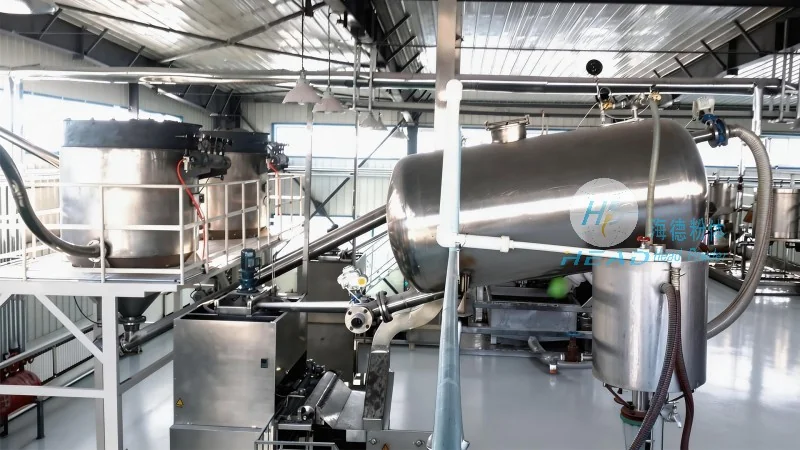
Key Components of a Steel and Lime Material Handling System
The design of a steel and lime material handling system typically involves several key components that work in tandem to achieve seamless material flow. These components may include storage silos or hoppers for raw materials, conveyor systems (such as belt conveyors or screw conveyors) for transporting materials horizontally or vertically, feeding mechanisms to control the flow rate, and processing equipment like crushers or grinders if material size reduction is required. Additionally, the system may incorporate dust collection and control systems to ensure environmental compliance and worker safety, as handling powders and fine materials can generate significant dust.
Design Principles for Optimal Performance
The design principles of a steel and lime material handling system are centered on maximizing efficiency, reliability, and safety. One of the primary principles is the minimization of material degradation during handling. This involves selecting appropriate equipment and materials of construction that can withstand the abrasive nature of steel and lime particles, preventing wear and tear that could lead to system failures. Another key principle is the integration of the system with the overall production process, ensuring that material flow is synchronized with other operations, such as steelmaking or casting. This synchronization helps in reducing bottlenecks and improving throughput. Furthermore, the design must consider the specific characteristics of the materials, including their density, flowability, and moisture content, as these factors influence the choice of equipment and the system's configuration.
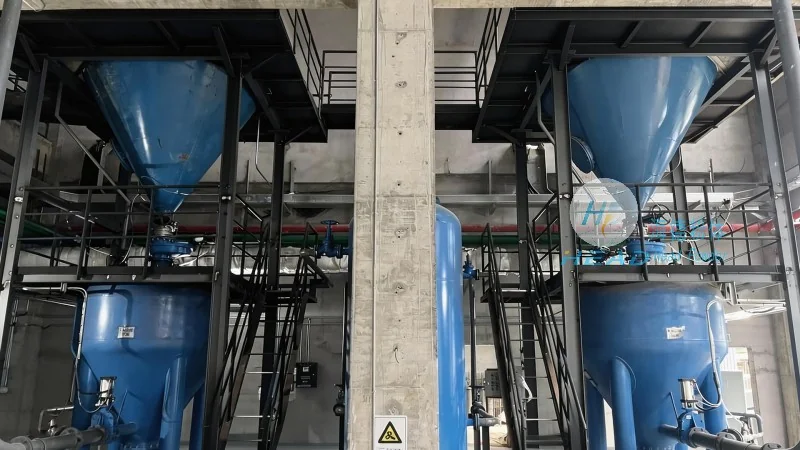
Role of Material Properties in System Design
The physical and chemical properties of steel and lime significantly impact the design and operation of the material handling system. Steel, being a hard and abrasive material, requires equipment with robust construction, such as high-strength steel or wear-resistant coatings, to prevent damage from impact and abrasion. Lime, often in the form of a fine powder or granules, demands systems that can handle fine materials without causing excessive dust or blockages. The flowability of lime, which can be affected by moisture, also necessitates the inclusion of moisture control measures and possibly agitators or vibrators to maintain consistent material flow. Understanding these properties allows engineers to select the most suitable equipment and design the system to handle the materials effectively, ensuring long-term operational reliability.
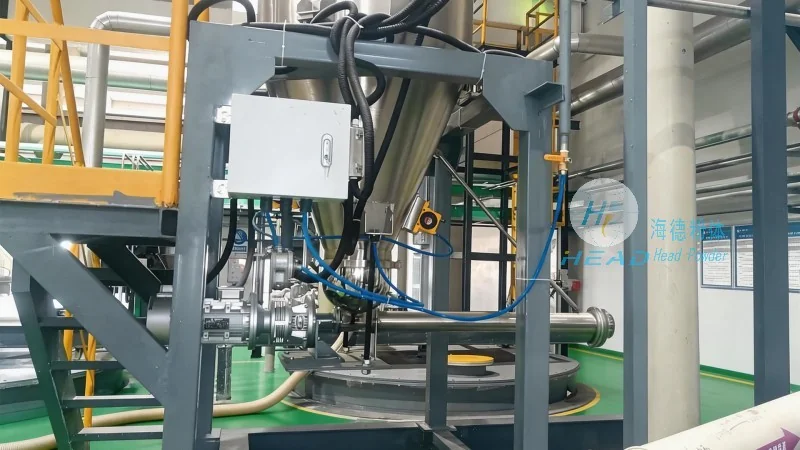
System Integration and Automation
Modern steel and lime material handling systems often incorporate automation and control technologies to enhance performance and reduce human intervention. Automation can include sensors to monitor material levels in silos, conveyor speeds, and flow rates, providing real-time data for process control. This data can be used to adjust the system's operation dynamically, optimizing material flow based on production demands. Additionally, automation reduces the risk of human error and improves safety by minimizing the need for workers to handle hazardous materials or operate equipment manually. The integration of the system with other production systems, such as the steelmaking furnace or casting line, allows for a seamless flow of materials, ensuring that the entire production process operates as a cohesive unit.
Case Study: A Typical Application by Shandong HeadPowder Engineering Co., Ltd.
Shandong HeadPowder Engineering Co., Ltd., a leading provider of material handling solutions, has successfully implemented steel and lime material handling systems for various industrial clients. For instance, one project involved the design and installation of a system for a steel mill that required the continuous supply of lime for desulfurization processes. The system included large storage silos for lime, a belt conveyor system to transport the material to the processing area, and an automated feeding system that controlled the flow rate based on the furnace's requirements. The system was designed to handle the abrasive nature of steel and the fine powder characteristics of lime, incorporating wear-resistant components and dust control measures. The result was a significant improvement in production efficiency, with reduced downtime and lower maintenance costs, demonstrating the effectiveness of a well-designed material handling system.




