Understanding the lithium hydroxide material handling system is crucial for industries dealing with this essential chemical. This system is designed to safely and efficiently transport lithium hydroxide, a key component in various applications such as battery manufacturing and chemical production. The design principles behind these systems are centered on ensuring safety, efficiency, and compliance with industry standards.
Introduction to Lithium Hydroxide Material Handling Systems
Lithium hydroxide (LiOH) is a white, hygroscopic solid that is widely used in the production of lithium-ion batteries, as a precursor for other lithium compounds, and in chemical processes requiring alkaline solutions. Due to its reactivity and potential hazards, handling LiOH requires specialized equipment and systems to manage its properties and ensure operational safety. The material handling system for LiOH typically includes storage, transfer, and processing components that are engineered to minimize exposure risks and optimize workflow.
Key Components of a Lithium Hydroxide Material Handling System
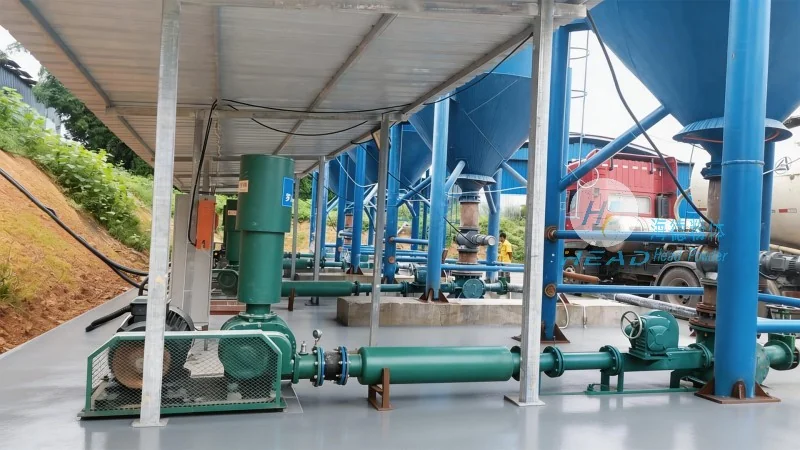
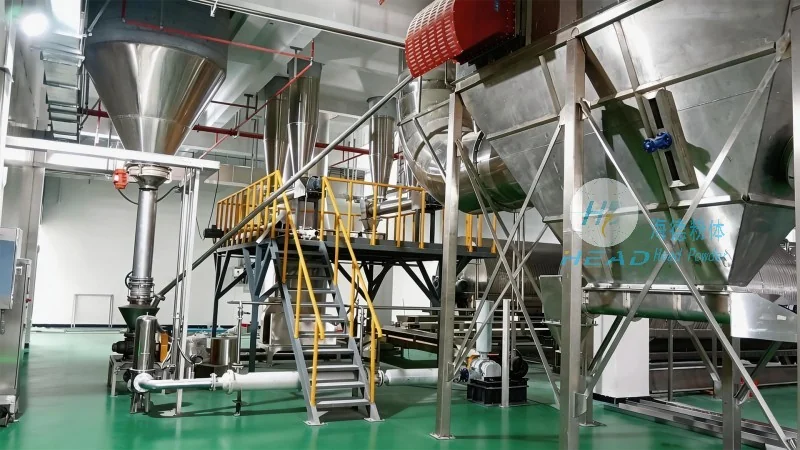
The core components of a lithium hydroxide material handling system include storage tanks or silos, transfer pumps or conveyors, and processing equipment. Storage vessels are often made of corrosion-resistant materials like stainless steel or specialized alloys to withstand the alkaline nature of LiOH. Transfer mechanisms may involve pneumatic conveying systems, screw conveyors, or hydraulic pumps, depending on the scale and specific requirements of the operation. Processing equipment, such as reactors or mixing units, may also be integrated into the system to facilitate downstream chemical reactions or product refinement.
Design Principles for Safety and Efficiency
Designing a lithium hydroxide material handling system involves adhering to several critical principles to ensure both safety and operational efficiency. First, containment and leak prevention are paramount, as LiOH can be hazardous if it comes into contact with skin or eyes, and it can also cause corrosion to certain materials. The system must incorporate robust sealing mechanisms and monitoring systems to detect any leaks or spills promptly. Second, ventilation and dust control are essential, as LiOH can generate dust during handling, which may pose respiratory risks. The system typically includes local exhaust ventilation and dust collection systems to maintain a safe working environment.
Process Flow and Operational Considerations
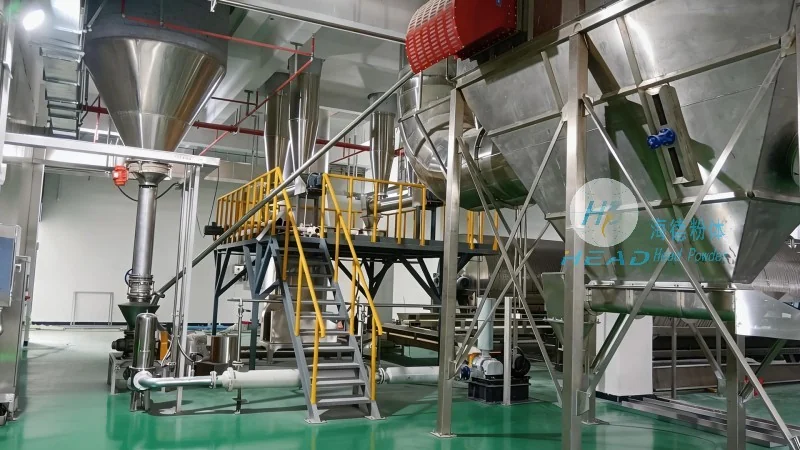
The operational flow of a lithium hydroxide material handling system is carefully planned to minimize handling steps and reduce the risk of contamination or loss. The process typically begins with the storage of raw LiOH in a sealed container, followed by transfer to a processing unit via a controlled pumping or conveying system. During transfer, the system may incorporate temperature and pressure controls to maintain the stability of LiOH, as it can degrade or react if exposed to extreme conditions. The processing stage may involve mixing LiOH with other chemicals or adjusting its concentration for downstream applications. Finally, the processed material is transferred to the next stage of production or packaging, ensuring a seamless and efficient workflow.
Regulatory Compliance and Industry Standards
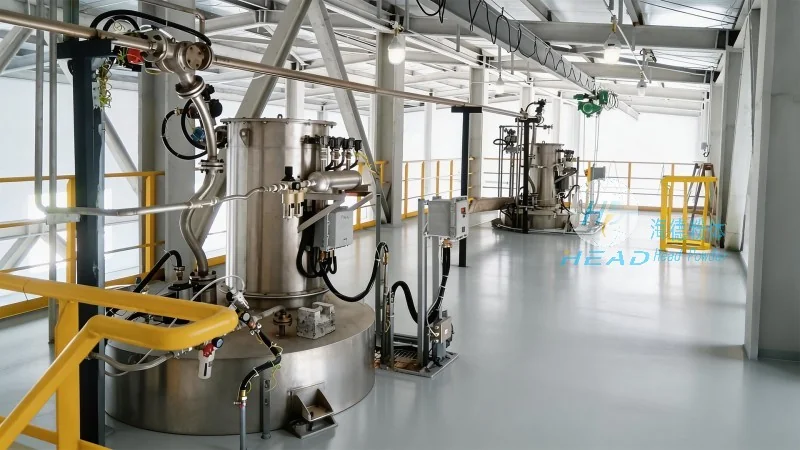
Implementing a lithium hydroxide material handling system requires adherence to various regulatory and industry standards to ensure safety and environmental compliance. These standards may include guidelines from organizations such as the Occupational Safety and Health Administration (OSHA), the Environmental Protection Agency (EPA), and industry-specific regulations for chemical handling. The system must be designed to meet these standards, with features like emergency shutdown systems, fire suppression mechanisms, and waste management protocols integrated into the design. Regular inspections and maintenance are also critical to ensure ongoing compliance and operational safety.
Conclusion: The Importance of a Well-Designed System
In conclusion, a lithium hydroxide material handling system is a critical component in industries that rely on this essential chemical. The design principles, components, and operational considerations outlined above are essential for ensuring the safe and efficient handling of LiOH. By adhering to these principles and maintaining strict compliance with industry standards, companies can minimize risks, optimize productivity, and ensure the long-term success of their operations. For businesses seeking to implement or upgrade their LiOH handling systems, partnering with experienced engineering firms like Shandong HeadPowder Engineering Co., Ltd. can provide the expertise and solutions needed to meet their specific requirements.




