

The Operation Process and Working Principle of Dust-Free Powder Pneumatic Conveying
HeadPowder, a leading provider in the field of powder handling technology, specializes in dust-free pneumatic conveying systems. This article delves into the operational process and underlying principles of such systems, offering a comprehensive understanding for industry professionals and potential clients alike. The company, Shandong HeadPowder Engineering Co., Ltd., is headquartered in Shandong, China, and has established itself as a trusted name in the engineering and manufacturing of advanced powder conveying solutions.
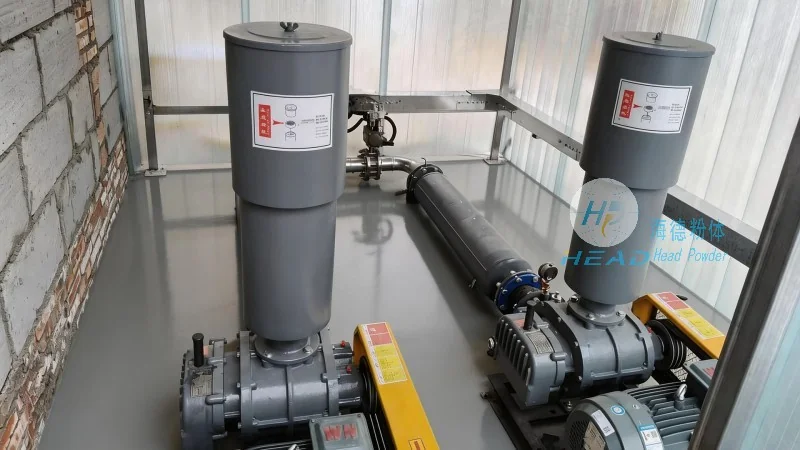
Understanding Dust-Free Pneumatic Conveying Systems
Dust-free pneumatic conveying systems are designed to transport bulk powders and granular materials through a pipeline using a pressurized or vacuum air stream. Unlike traditional methods that may lead to dust contamination and environmental issues, these systems ensure a clean and efficient transfer of materials. The core components of a typical dust-free pneumatic conveying system include a feeding hopper, a conveying line, a control valve, and a receiver or discharge point. Each component plays a crucial role in maintaining the integrity of the material and the efficiency of the process.
The Working Principle of Pneumatic Conveying
The fundamental principle behind pneumatic conveying is the use of air to create a flow that moves the powder particles. In a pressurized system, air is pumped into the conveying line, creating a positive pressure that forces the powder from the source to the destination. The air velocity is carefully controlled to ensure that the powder particles are carried along without causing excessive wear or degradation. Conversely, in a vacuum system, a vacuum is created at the receiving end, drawing the powder through the line. The choice between pressurized and vacuum systems depends on factors such as the distance of the conveying line, the material properties, and the required flow rate.
Key Components and Their Functions
1. **Feeding Hopper**: The feeding hopper is responsible for storing and feeding the powder into the conveying line. It is equipped with a gate or valve to control the flow rate, ensuring a consistent and controlled supply of material. The design of the hopper minimizes the risk of material bridging or clogging, which can affect the overall efficiency of the system.
2. **Conveying Line**: The conveying line is the main pipeline through which the powder and air travel. It is typically made of materials such as stainless steel or plastic, chosen for their resistance to corrosion and wear. The diameter and length of the line are critical factors that determine the system's performance. Properly sized lines ensure that the air velocity remains within the optimal range for efficient powder transport.
3. **Control Valve**: The control valve is used to regulate the flow of air and powder. It can be adjusted to control the pressure or vacuum level, as well as the flow rate of the material. This allows for precise control over the conveying process, enabling operators to adapt to changing conditions or material types.
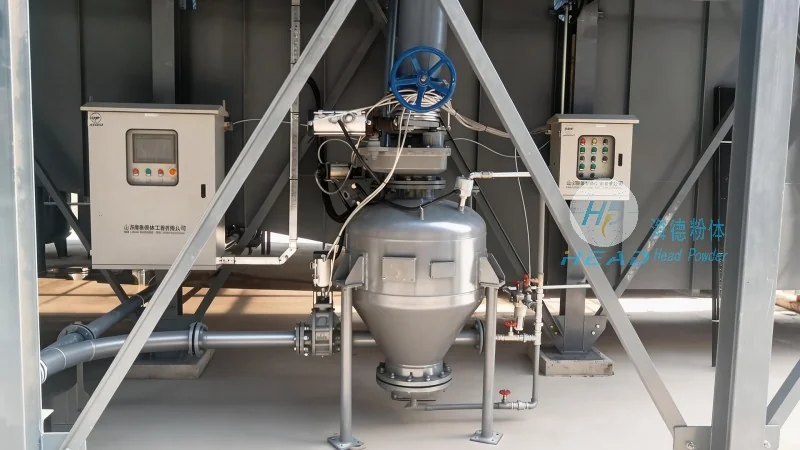
4. **Receiver or Discharge Point**: The receiver is where the material is collected after being conveyed. It is designed to handle the incoming flow and discharge the material into a storage bin or processing equipment. The receiver may include a filter or separator to remove any entrained air or dust particles, ensuring that the material remains clean and free from contamination.
The Operational Process: Step-by-Step
The operation of a dust-free pneumatic conveying system involves several key steps, each contributing to the smooth and efficient transfer of powder. The process typically begins with the material being loaded into the feeding hopper. The hopper's gate is opened, allowing the powder to fall into the conveying line. Simultaneously, the control valve is adjusted to set the desired air pressure or vacuum level.
Once the system is pressurized or vacuumed, the powder is drawn or pushed through the line. The air velocity is maintained at a level that ensures the powder particles are fully suspended and transported without settling or clogging. As the material travels through the conveying line, it passes through any necessary components, such as filters or separators, to maintain its purity.
At the receiving end, the material is discharged into the receiver. The receiver may include a discharge valve or a hopper to collect the material. The air is then filtered and released back into the environment, ensuring that no dust or particles are emitted. The entire process is monitored and controlled by the system's control panel, which allows operators to adjust parameters in real-time to optimize performance.
Benefits and Applications
Dust-free pneumatic conveying systems offer numerous advantages over traditional methods, making them ideal for a wide range of applications. These systems are particularly useful in industries such as pharmaceuticals, food processing, and chemical manufacturing, where maintaining a clean and hygienic environment is critical. The benefits include:
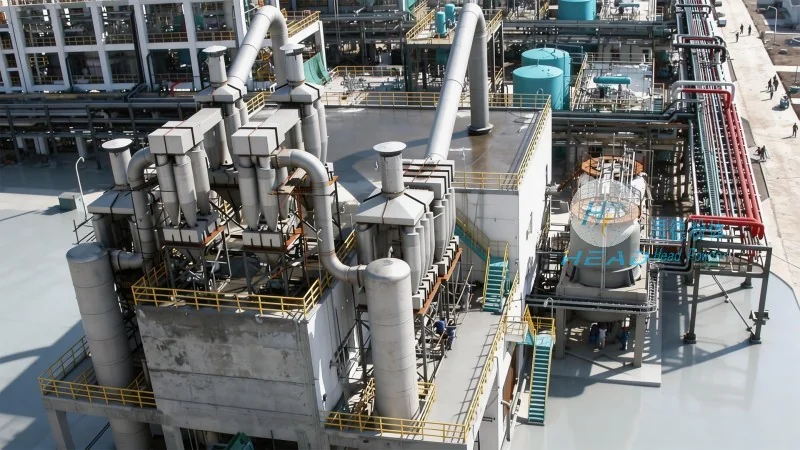
1. **Reduced Dust Contamination**: By containing the powder within a sealed system, the risk of dust exposure and environmental contamination is significantly minimized.
2. **Improved Efficiency**: The continuous and controlled flow of material reduces downtime and increases overall productivity.
3. **Versatility**: These systems can handle a wide variety of materials, including fine powders, granules, and bulk solids, making them suitable for diverse industrial needs.
4. **Space Efficiency**: The compact design of pneumatic conveying systems allows for installation in limited spaces, making them ideal for facilities with space constraints.
Shandong HeadPowder Engineering Co., Ltd. specializes in designing and manufacturing custom dust-free pneumatic conveying systems tailored to the specific needs of each client. The company's expertise in material handling and engineering ensures that each system is optimized for performance, reliability, and cost-effectiveness. Whether for small-scale operations or large industrial plants, HeadPowder provides solutions that meet the highest standards of quality and efficiency.