

Operation Process and Working Principle of Styrene Material Handling System Equipment
Styrene is a crucial chemical raw material widely used in the production of polymers, resins, and other industrial products. The efficient and reliable transportation of styrene is essential for maintaining smooth production processes in chemical plants. The styrene material handling system equipment, developed by Shandong HeadPowder Engineering Co., Ltd., is designed to address these needs with advanced technology and robust engineering solutions.
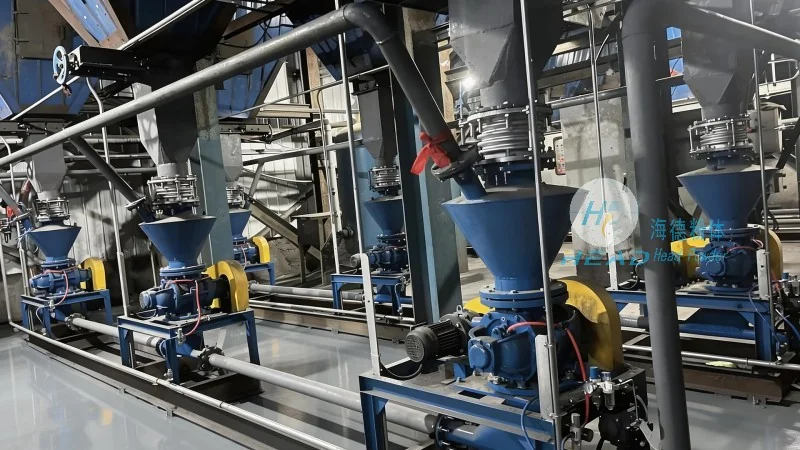
Company Profile: HeadPowder
HeadPowder, or Shandong HeadPowder Engineering Co., Ltd., is a professional manufacturer and supplier of material handling equipment based in Shandong, China. With years of experience in the industry, the company specializes in designing and manufacturing systems tailored to the specific requirements of chemical processing facilities. HeadPowder's commitment to quality and innovation has established it as a trusted partner for businesses seeking reliable solutions for material handling in the chemical sector.
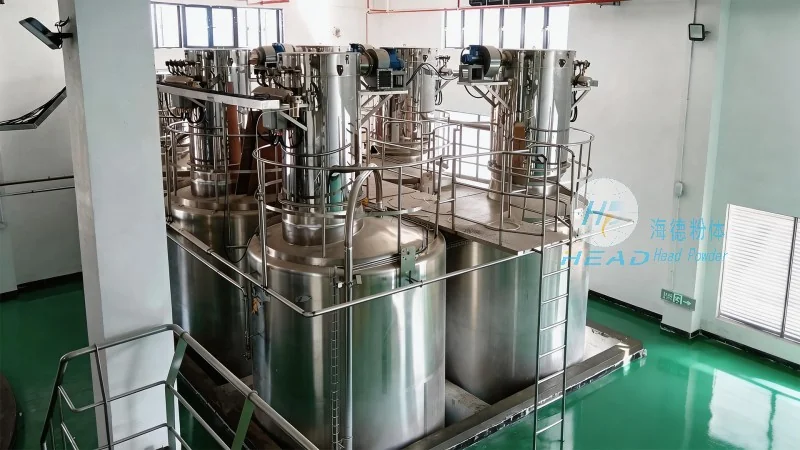
Overview of the Styrene Material Handling System
The styrene material handling system is a comprehensive solution that integrates various components to ensure the safe and efficient transfer of styrene from storage tanks to processing units. The system typically includes storage tanks, pumps, pipelines, valves, and control systems, all working in tandem to maintain optimal flow rates and pressure levels. This equipment is engineered to handle the unique properties of styrene, such as its volatility and potential for exothermic reactions, ensuring that the material is transported without compromising safety or product quality.
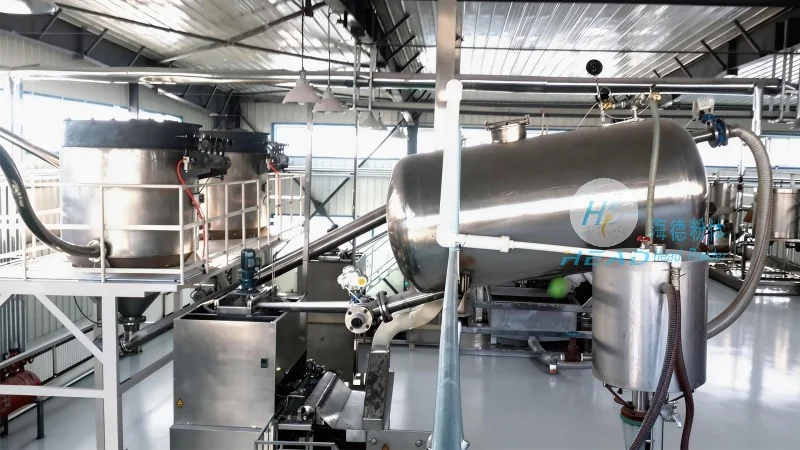
Operation Process of the System
The operation of the styrene material handling system follows a systematic sequence to ensure consistent and controlled material transfer. The process begins with the loading of styrene into storage tanks, where it is stored under appropriate conditions to prevent degradation. Once the material is ready for processing, the system initiates the pumping phase. High-performance pumps, specifically designed for handling styrene, are activated to move the material through the pipelines. The pumps are controlled by a sophisticated system that monitors pressure, flow rate, and temperature, ensuring that the material is transported at the optimal conditions. Valves are strategically positioned along the pipeline to regulate flow and prevent backflow, maintaining the integrity of the system. The entire operation is monitored by a central control panel, which provides real-time data and allows operators to adjust parameters as needed. This systematic approach ensures that the styrene is delivered to the processing units in a controlled manner, minimizing the risk of spills or leaks.
Working Principle of the System Components
The working principle of the styrene material handling system is based on the principles of fluid dynamics and mechanical engineering. The storage tanks are designed to hold the styrene under pressure or vacuum, depending on the specific requirements of the plant. The pumps, which are typically centrifugal or positive displacement types, generate the necessary pressure to move the material through the pipelines. The pipelines are constructed from materials that are resistant to the chemical properties of styrene, such as stainless steel or specialized plastics, to prevent corrosion and ensure durability. Valves, including ball valves and gate valves, are used to control the flow of styrene, allowing for precise regulation of the material's movement. The control system, which may include sensors and programmable logic controllers (PLCs), monitors key parameters such as pressure, temperature, and flow rate. These sensors provide real-time data to the control panel, enabling operators to make informed decisions and adjust the system's operation as required. The integration of these components ensures that the styrene is handled safely and efficiently, meeting the demands of modern chemical production.
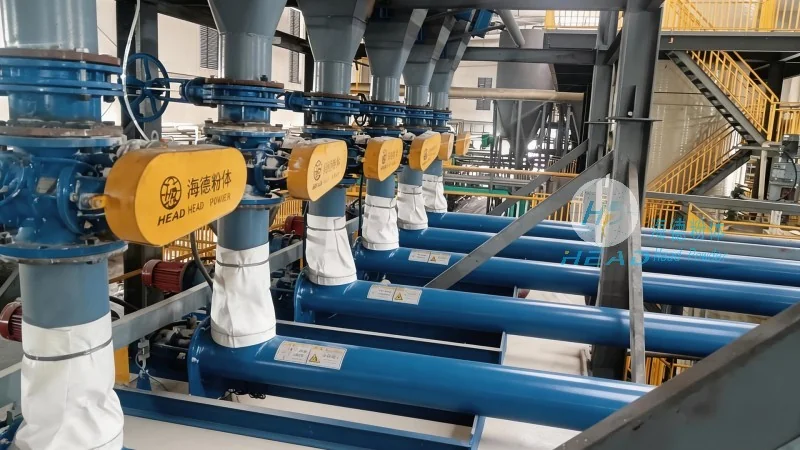
Key Features and Advantages
The styrene material handling system offered by HeadPowder is equipped with several key features that enhance its performance and reliability. One of the primary advantages is the use of high-quality materials for all components, ensuring resistance to corrosion and chemical attack. The system is also designed with safety in mind, incorporating features such as pressure relief valves and emergency shutdown systems to prevent accidents. The control system provides real-time monitoring and data logging, allowing for comprehensive tracking of the material's movement and system performance. Additionally, the system is modular in design, allowing for easy expansion or modification to accommodate changes in production needs. These features make the styrene material handling system a versatile and reliable solution for chemical plants, helping to improve operational efficiency and reduce downtime.