When it comes to transporting fertilizer granules, selecting the right conveying system is crucial for efficiency, cost-effectiveness, and operational safety. Two primary methods are widely used: positive pressure and negative pressure systems. Each has its own set of advantages and limitations, making the choice between them a critical decision for any fertilizer processing facility. This article will explore the key differences between these two systems, helping you make an informed decision based on your specific operational needs.
What is Positive Pressure Conveying?
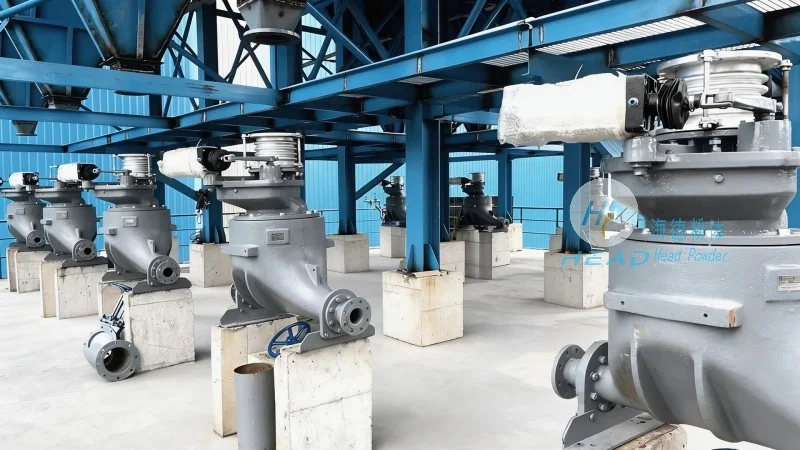
Positive pressure conveying systems operate by blowing air or gas into the conveying line, creating a pressure higher than the ambient air pressure. This method propels the fertilizer granules forward through the pipeline. The headpowder team, with years of experience in engineering and manufacturing conveying solutions, understands that positive pressure systems are often preferred for their ability to handle a wide range of materials, including abrasive and sticky granules. These systems are particularly effective when the conveying distance is long or when the material needs to be transported at high speeds. The positive pressure approach ensures that the material is moved continuously and reliably, minimizing the risk of blockages or clogs that can occur with other methods.
Key Advantages of Positive Pressure Conveying
One of the main benefits of positive pressure systems is their high conveying capacity. They can handle large volumes of material, making them suitable for high-throughput fertilizer production lines. Additionally, positive pressure systems are generally more energy-efficient compared to negative pressure systems, as they require less power to maintain the pressure differential. The robust design of these systems also makes them durable and long-lasting, reducing maintenance costs over time. For facilities that require consistent and reliable material transport, positive pressure conveying is often the preferred choice. The headpowder engineering team has developed advanced positive pressure systems that incorporate features such as variable speed drives and intelligent control systems to optimize performance and reduce operational costs.
What is Negative Pressure Conveying?
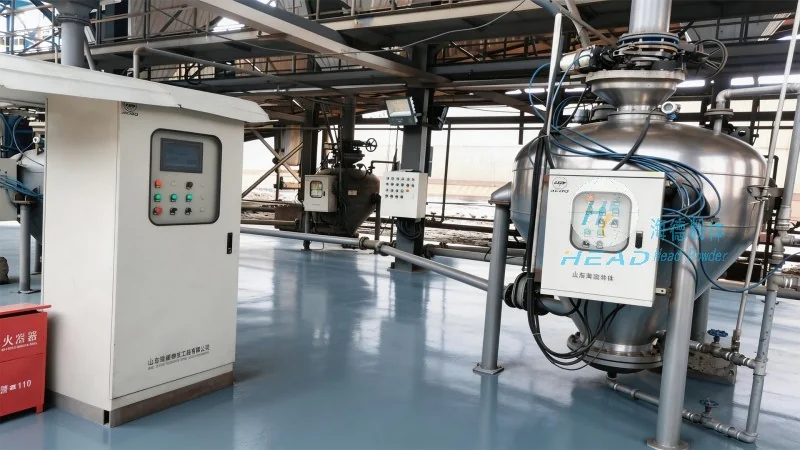
Negative pressure conveying, also known as suction conveying, works by creating a vacuum in the conveying line, which draws the fertilizer granules into the system. This method is often used for shorter conveying distances or when the material needs to be transported from a lower elevation to a higher one. The headpowder company, based in Shandong, China, has expertise in designing and implementing negative pressure systems that are tailored to the specific requirements of fertilizer processing plants. Unlike positive pressure systems, negative pressure systems do not require the use of high-pressure air compressors, which can be a significant cost-saving factor for facilities with budget constraints.
Key Advantages of Negative Pressure Conveying
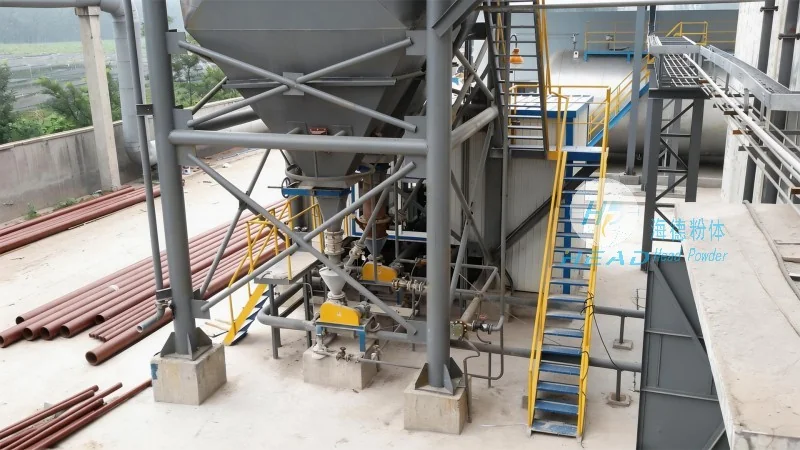
One of the primary advantages of negative pressure systems is their lower energy consumption. Since they rely on suction rather than pressure, they require less power to operate, which can lead to substantial energy savings over the long term. Additionally, negative pressure systems are generally quieter and less disruptive to the surrounding environment compared to positive pressure systems. They are also well-suited for conveying materials that are sensitive to high pressures or temperatures, as the vacuum environment helps maintain the material's integrity. The headpowder engineering team has developed efficient negative pressure systems that incorporate features such as cyclone separators and dust collectors to ensure clean and safe operation. These systems are particularly effective for handling fine or dusty granules, as they can capture and remove particles that might otherwise be released into the air.
Distinguishing Between Positive and Negative Pressure Systems
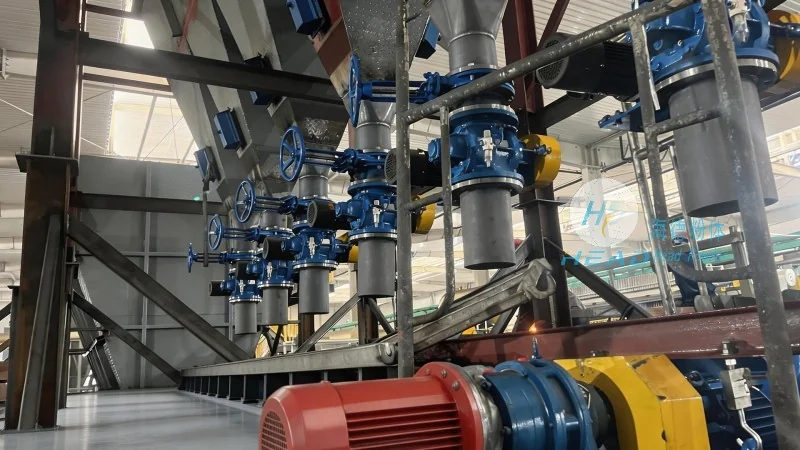
So, how do you determine which system is right for your fertilizer granule conveying needs? The decision largely depends on several factors, including the conveying distance, the material's properties, and the available infrastructure. For long-distance or high-volume transport, positive pressure systems are often the better choice due to their higher capacity and efficiency. However, for shorter distances or when energy efficiency is a top priority, negative pressure systems may be more suitable. The headpowder team can provide a comprehensive assessment of your facility's requirements to help you choose the optimal system. Our engineers will consider factors such as the material's density, moisture content, and abrasiveness, as well as the layout of your processing plant, to recommend the most effective conveying solution.
Conclusion: Choosing the Right Conveying System for Your Needs
Ultimately, the choice between positive pressure and negative pressure conveying for fertilizer granule transport depends on a careful evaluation of your operational requirements and constraints. Both systems have their strengths and are suitable for different applications. By understanding the key differences and advantages of each, you can make an informed decision that maximizes efficiency, reduces costs, and ensures safe and reliable operation. The headpowder engineering team, with its expertise in conveying systems, is committed to providing customized solutions that meet the unique needs of fertilizer processing facilities. Whether you need a positive pressure system for high-volume transport or a negative pressure system for energy-efficient conveying, we can help you achieve your operational goals. Contact us today to learn more about our conveying solutions and how we can assist with your fertilizer granule transport needs.




