Automatic tonne bag material feeding and conveying systems are critical components in modern industrial material handling operations, designed to efficiently transfer bulk materials from storage containers to processing equipment. These systems are essential for optimizing production lines, reducing labor costs, and enhancing overall operational efficiency in various industries such as chemicals, food processing, and mining.
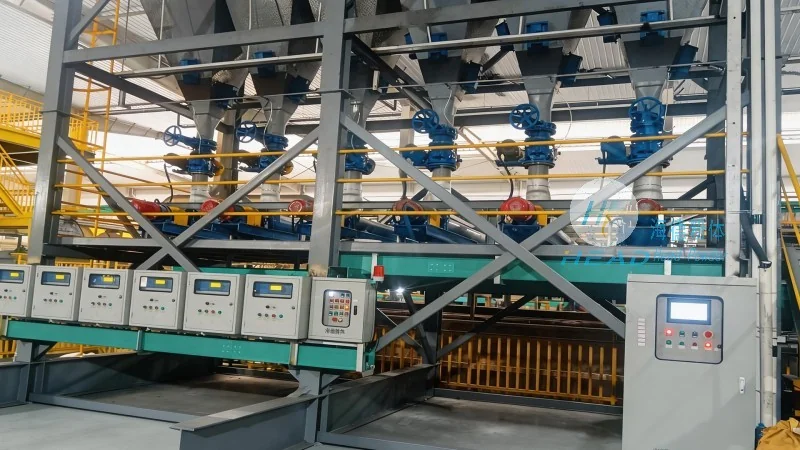
Overview of the System
The core of an automatic tonne bag material feeding and conveying system is a combination of mechanical, pneumatic, and control technologies. The system typically consists of several key components, including a tonne bag opening mechanism, a hopper or container for material storage, a conveyor system (e.g., belt or screw conveyor), and an automated feeding control unit. Each component works in tandem to ensure seamless material transfer from the bag to the processing equipment.
Key Components and Their Functions
1. Tonne Bag Opening Mechanism: This component is responsible for safely and efficiently opening the top of the tonne bag to access the material inside. Commonly, this involves a mechanical or pneumatic system that cuts or tears the bag's top, allowing the material to flow into the hopper. The mechanism is designed to handle various bag types and sizes, ensuring compatibility with different material characteristics.
2. Hopper and Material Storage: The hopper acts as an intermediate storage container that collects the material as it flows from the opened tonne bag. It is typically made of durable materials like stainless steel or high-density polyethylene to withstand the weight and abrasiveness of bulk materials. The hopper design includes features such as a sloped bottom and a discharge valve to facilitate smooth material flow into the conveyor system.
3. Conveyor System: The conveyor system is the primary means of transporting the material from the hopper to the processing equipment. Depending on the material's properties and the application requirements, different types of conveyors may be used. For example, a belt conveyor is suitable for dry, free-flowing materials, while a screw conveyor is ideal for powders or granules that require gentle handling. The conveyor is equipped with a control system that adjusts speed and direction based on the material flow rate and processing needs.
4. Automated Feeding Control Unit: This is the brain of the system, responsible for coordinating the operation of all components. It includes sensors (e.g., level sensors, flow sensors) to monitor the material level in the hopper and the flow rate through the conveyor. The control unit uses this data to adjust the feeding speed, ensuring a consistent and controlled material supply to the processing equipment. It also includes safety features such as emergency stop buttons and overload protection to prevent equipment damage and ensure operator safety.
Operation Process of the System
The operation of an automatic tonne bag material feeding and conveying system follows a sequential process, typically initiated by an operator or an automated control system. The steps are as follows:
1. Bag Placement and Identification: The tonne bag is placed on a designated position, usually on a pallet or a dedicated bag stand. The system may use a barcode or RFID scanner to identify the bag and retrieve its material specifications, ensuring the correct material is processed.
2. Opening the Tonne Bag: The automated opening mechanism activates, cutting or tearing the top of the bag. This step is performed under controlled conditions to minimize dust generation and ensure a clean transfer of material.
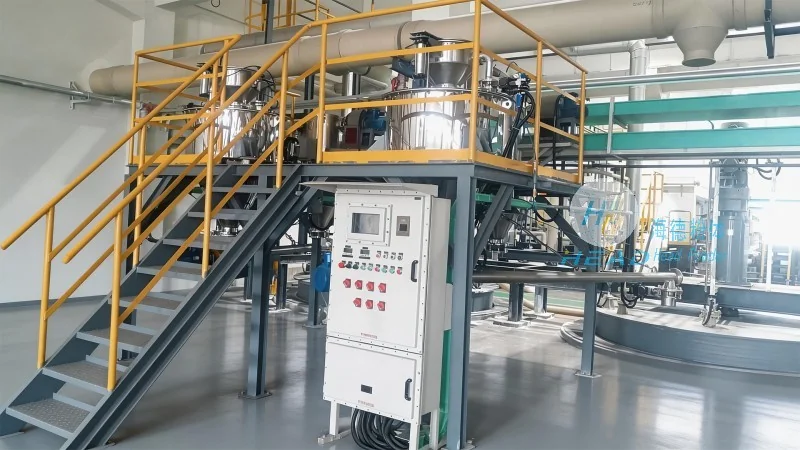
3. Material Transfer to Hopper: As the bag opens, the material flows into the hopper. The hopper level sensor detects the material level and sends a signal to the control unit, which adjusts the opening mechanism to maintain a consistent flow rate.
4. Conveyor Activation: Once the hopper is filled to a certain level, the conveyor system is activated. The control unit monitors the material flow rate and adjusts the conveyor speed to match the processing equipment's requirements, ensuring a steady supply of material.
5. Material Delivery to Processing Equipment: The material is conveyed from the hopper to the processing equipment (e.g., a mixer, a reactor, or a conveyor belt leading to the next stage). The control unit continues to monitor the system, adjusting parameters as needed to maintain optimal performance.
6. System Shutdown and Bag Removal: When the material transfer is complete, the system is shut down. The operator removes the empty tonne bag, and the system resets for the next bag. The control unit may also perform a cleaning cycle to remove residual material from the hopper and conveyor.
Working Principle of the System
The working principle of an automatic tonne bag material feeding and conveying system is based on the integration of mechanical motion, pneumatic control, and sensor feedback. The system operates by converting the bulk material from the tonne bag into a controlled flow that can be directed to the processing equipment. The key principles include:
1. Mechanical Energy Conversion: The opening mechanism converts mechanical or pneumatic energy into the force required to cut or tear the bag's top. The conveyor system converts the gravitational potential energy of the material into kinetic energy, moving the material along the conveyor path.
2. Controlled Material Flow: The system uses sensors and control algorithms to regulate the material flow rate. This ensures that the processing equipment receives a consistent and uniform material supply, preventing overloading or underfeeding. The control unit adjusts the conveyor speed, hopper discharge rate, and bag opening speed based on real-time feedback from the sensors.
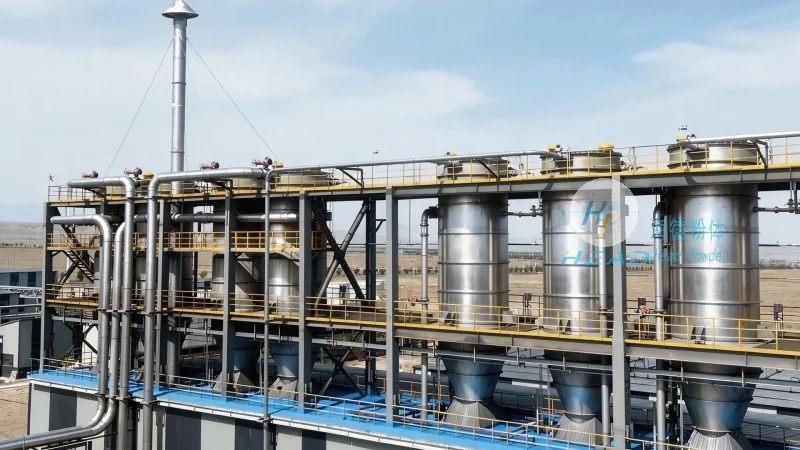
3. Safety and Reliability: The system incorporates multiple safety features to prevent accidents and equipment damage. These include overload protection, emergency stop buttons, and interlocks that ensure the system operates in a safe sequence. The use of durable materials and robust construction ensures long-term reliability and minimal maintenance.
4. Integration with Processing Lines: The automatic tonne bag material feeding and conveying system is designed to integrate seamlessly with existing processing lines. It can be connected to upstream storage systems (e.g., silos) and downstream equipment (e.g., mixers, reactors) to form a continuous material handling process. The control unit coordinates with other equipment in the line to maintain a smooth production flow.
Benefits of Using Automatic Tonne Bag Material Feeding and Conveying Systems
Implementing an automatic tonne bag material feeding and conveying system offers several advantages for industrial operations. These include:
1. Increased Efficiency and Productivity: By automating the material transfer process, the system reduces the time and labor required for manual handling, allowing operators to focus on other tasks. The consistent material flow ensures that processing equipment operates at optimal capacity, increasing overall production output.
2. Improved Material Quality and Consistency: The controlled flow of material reduces segregation and ensures a uniform blend of ingredients. This is particularly important in industries such as food processing and pharmaceuticals, where material consistency directly impacts product quality and safety.
3. Enhanced Safety and Reduced Downtime: The automated system minimizes the risk of manual handling accidents, such as material spills or bag handling injuries. Additionally, the system's safety features and preventive maintenance reduce equipment downtime, ensuring continuous operation.
4. Cost Savings: Over time, the system reduces labor costs and minimizes material waste due to spillage or segregation. The use of durable components and efficient operation lowers the total cost of ownership compared to manual handling methods.
Conclusion
Automatic tonne bag material feeding and conveying systems are essential for modern industrial operations, providing efficient, safe, and reliable material handling solutions. By integrating mechanical, pneumatic, and control technologies, these systems optimize production lines, improve material quality, and reduce operational costs. For businesses looking to enhance their material handling capabilities, investing in such systems is a strategic decision that can lead to long-term operational efficiency and competitiveness.




