Coal ash material conveying systems are critical components in industrial processes, particularly in power generation and waste management facilities. These systems are designed to efficiently transport coal ash from its source to designated disposal or utilization sites. Understanding the operation process and working principles of such systems is essential for optimizing performance, ensuring safety, and maintaining operational efficiency.
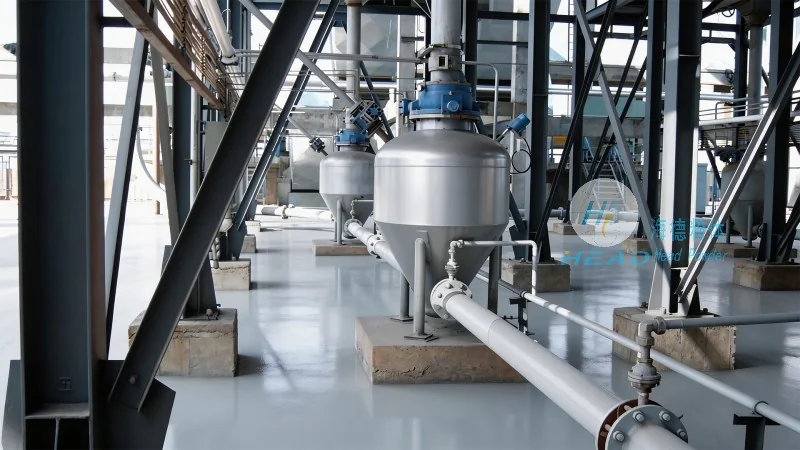
Introduction to Coal Ash Material Conveying Systems
Coal ash, also known as fly ash or bottom ash, is a byproduct of burning coal in thermal power plants. The efficient handling of this material is crucial to prevent environmental contamination and to facilitate its reuse in construction materials, cement production, or other industrial applications. Conveying systems for coal ash typically involve a combination of mechanical and pneumatic technologies, tailored to the specific characteristics of the ash and the operational requirements of the facility.
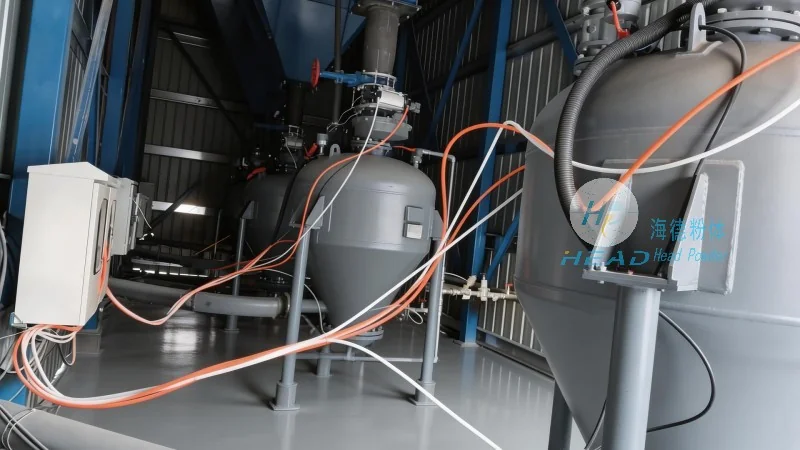
Key Components and Working Principle
The core components of a coal ash conveying system include feed hoppers, conveyor belts, pneumatic pipelines, and control units. The system operates by first collecting the coal ash from the boiler or ash handling equipment and transferring it into the feed hopper. From there, the material is either transported via a belt conveyor or pneumatically conveyed through a network of pipes. The working principle involves the use of gravity, mechanical force, or air pressure to move the ash through the system. For example, belt conveyors use rollers and idlers to move the ash along a path, while pneumatic systems utilize air pressure to propel the ash through the pipeline.
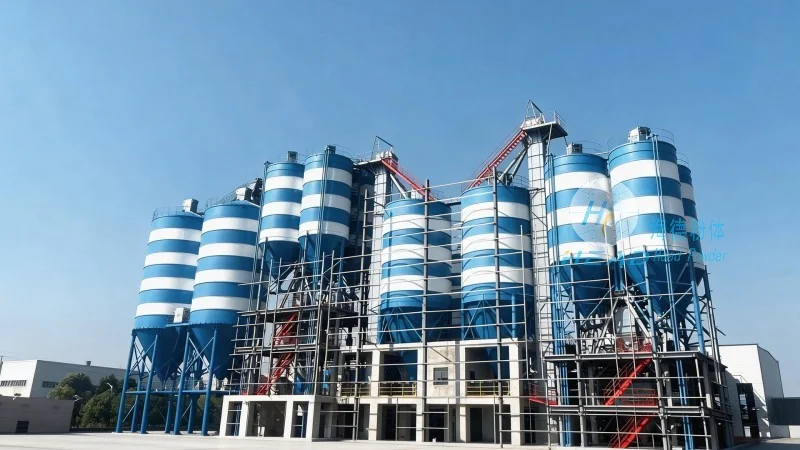
Operation Process and Control Systems
The operation process of a coal ash conveying system begins with the collection of ash from the source. The ash is then fed into the system through the hopper, where it is prepared for transport. The control system monitors the flow rate, pressure, and other parameters to ensure smooth operation. In belt conveyor systems, the speed of the belt and the tension are adjusted to maintain consistent material flow. In pneumatic systems, the air pressure and flow rate are regulated to prevent blockages and ensure efficient transport. The system also includes safety features such as sensors and alarms to detect any abnormalities and initiate emergency procedures if necessary.
Advantages and Applications
Coal ash conveying systems offer several advantages, including high efficiency, low maintenance costs, and the ability to handle large volumes of material. These systems are widely used in power plants, cement factories, and construction sites where coal ash is a valuable resource. The systems can be customized to meet the specific needs of different applications, such as transporting ash to storage silos, processing facilities, or disposal sites. Additionally, modern conveying systems incorporate advanced technologies, such as automation and real-time monitoring, to enhance performance and reduce operational risks.
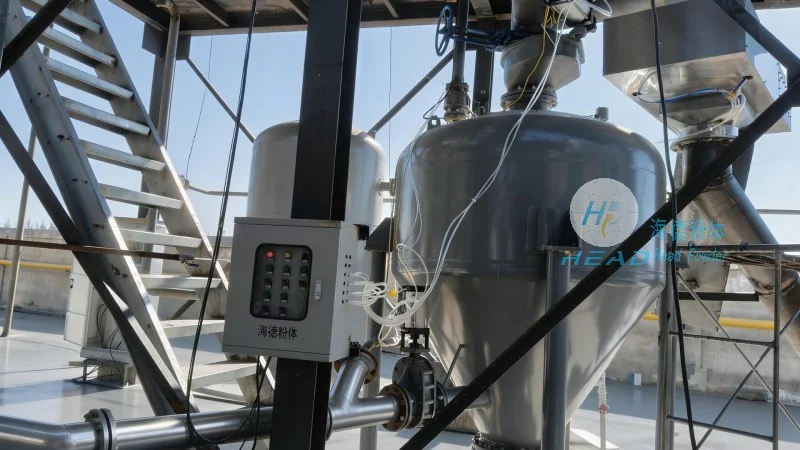
Company Profile: Shandong HeadPowder Engineering Co., Ltd.
Shandong HeadPowder Engineering Co., Ltd., operating under the brand name headpowder, specializes in the design, manufacturing, and installation of coal ash conveying systems. With a focus on innovation and quality, the company provides comprehensive solutions tailored to the unique requirements of each client. The company's team of engineers and technicians brings extensive experience in the field, ensuring that each system is optimized for maximum efficiency and reliability. Headpowder's commitment to customer satisfaction and environmental responsibility has made it a trusted partner in the industry.




