

Operation Process and Working Principle of Powdered Pharmaceutical Material Conveying
Efficient and reliable conveying of powdered pharmaceutical materials is a critical aspect of pharmaceutical manufacturing processes. The proper handling of these materials ensures product quality, safety, and compliance with regulatory standards. This article provides an in-depth look at the operation process and working principles of powdered pharmaceutical material conveying systems, highlighting the key components, operational procedures, and technological advancements that contribute to their effectiveness.
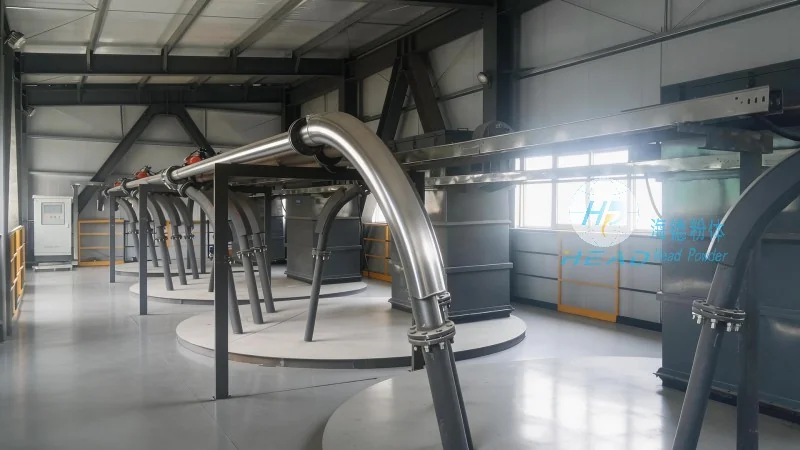
About Shandong HeadPowder Engineering Co., Ltd.
Shandong HeadPowder Engineering Co., Ltd., commonly known as HeadPowder, is a leading provider of specialized engineering solutions for the pharmaceutical industry. With a focus on precision, safety, and innovation, the company has established itself as a trusted partner in the design, manufacturing, and installation of conveying systems tailored to the unique demands of pharmaceutical production. HeadPowder's expertise spans a wide range of applications, from bulk powder handling to complex material transfer in sterile environments.
Key Components of Powdered Pharmaceutical Conveying Systems
The operation of powdered pharmaceutical material conveying systems involves several critical components that work in harmony to ensure smooth and efficient material transfer. These components include feeders, conveyors, control systems, and safety features. Each component plays a vital role in maintaining the integrity of the pharmaceutical powders and adhering to stringent quality control measures.
Feeders are responsible for accurately metering and feeding the powdered material into the conveying system. They are designed to handle various powder types, ensuring consistent flow rates and preventing material degradation. Common types of feeders used in pharmaceutical applications include rotary valves, vibratory feeders, and screw feeders, each offering specific advantages depending on the material properties and process requirements.
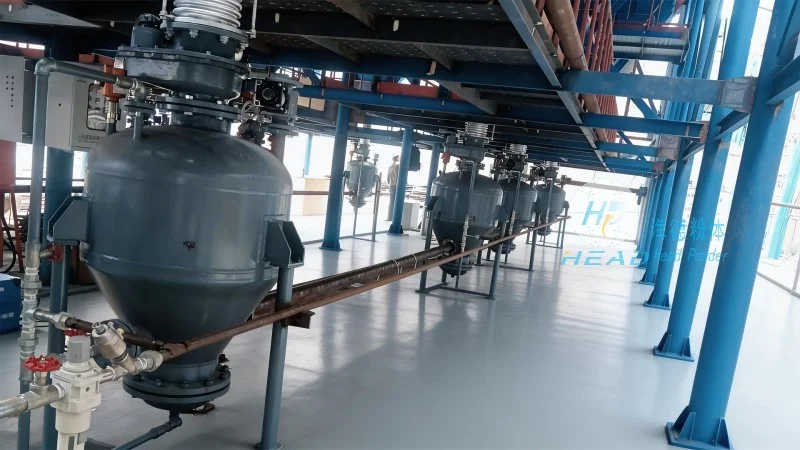
Conveyors, such as pneumatic or mechanical systems, transport the powdered material from one location to another. Pneumatic conveying systems use compressed air to move powders through pipes, while mechanical conveyors rely on belts, buckets, or chains to transfer materials. The choice of conveyor type depends on factors like material density, particle size, and the need for sterile or closed-loop operation.
Control systems are integral to managing the operation of the conveying system, ensuring precise control over flow rates, pressure, and other parameters. These systems often include sensors, controllers, and monitoring devices that provide real-time data on system performance and alert operators to any deviations or issues. Safety features, such as interlocks and emergency stop mechanisms, are also essential to protect both personnel and the product from potential hazards.
The Operation Process of Powdered Pharmaceutical Conveying
The operation process of a powdered pharmaceutical material conveying system typically involves several sequential steps. First, the powdered material is fed into the system through a feeder, where it is metered at a controlled rate. The material is then transferred to the conveyor, which moves it to the desired destination. During this process, the system may incorporate features like mixing, blending, or dosing, depending on the specific application. The entire operation is monitored and controlled by the system's control panel, which allows operators to adjust parameters and ensure optimal performance.
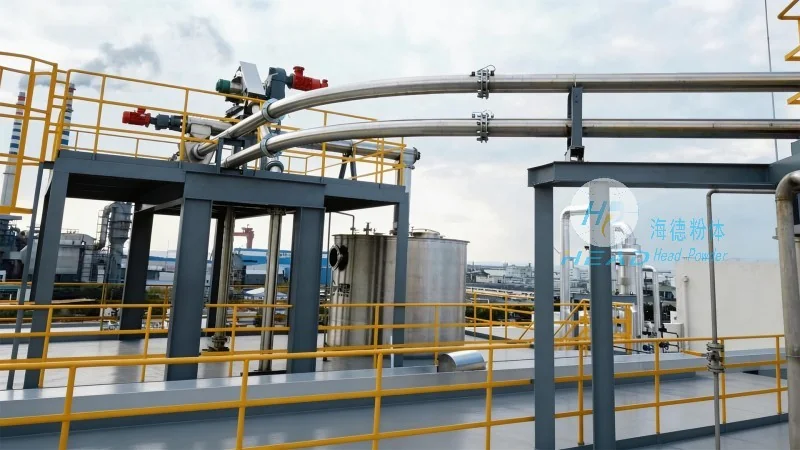
Key operational considerations include maintaining a consistent flow rate to prevent material buildup or clogging, ensuring proper air pressure or mechanical force for effective conveying, and monitoring for any signs of material degradation or contamination. Regular maintenance and cleaning are also critical to prevent cross-contamination and maintain the system's efficiency and reliability.
Working Principles of Powdered Pharmaceutical Conveying Systems
The working principles of powdered pharmaceutical material conveying systems vary depending on the type of system used. Pneumatic conveying systems operate by creating a pressure differential between the inlet and outlet of the conveying line. Compressed air is introduced into the system, which lifts and transports the powdered material through the pipes. The air and powder mixture is then separated at the destination, with the powder collected and the air either recycled or vented.
Mechanical conveying systems, on the other hand, rely on mechanical forces to move the material. For example, belt conveyors use a moving belt to transport powders, while bucket elevators use buckets attached to a chain to lift and move materials vertically. These systems are often preferred for applications requiring high material throughput or where the material is too abrasive for pneumatic systems.
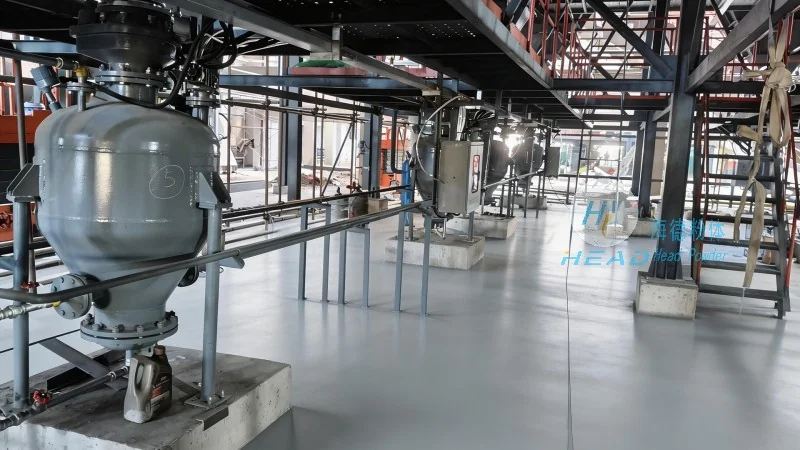
In both cases, the working principles are designed to minimize material degradation, prevent contamination, and ensure efficient transfer. Advanced technologies, such as closed-loop systems and sterile designs, are increasingly used to meet the stringent requirements of pharmaceutical manufacturing, ensuring that the materials are handled with the highest level of precision and safety.
Applications and Benefits of Powdered Pharmaceutical Conveying
Powdered pharmaceutical material conveying systems are used in a wide range of applications within the pharmaceutical industry. These include the transfer of raw materials to production lines, the movement of finished products to packaging areas, and the handling of waste materials. The benefits of these systems include improved efficiency, reduced labor costs, and enhanced product quality.
By automating the material transfer process, pharmaceutical manufacturers can achieve greater consistency and reduce the risk of human error. The systems also help maintain a clean and controlled environment, which is essential for producing high-quality pharmaceutical products. Additionally, advanced conveying systems can integrate with other manufacturing processes, such as blending and dosing, to create a seamless production line.