

Operation Process and Working Principle of Automatic Material Feeding and Conveying Systems
Automatic material feeding and conveying systems are integral to modern industrial operations, ensuring efficient material handling and seamless workflow across various manufacturing and processing environments. These systems are designed to automate the movement of raw materials, components, or finished products from one stage of production to another, reducing manual labor, minimizing errors, and enhancing overall productivity. Understanding the operation process and working principle of such systems is crucial for optimizing industrial processes and maintaining operational efficiency.
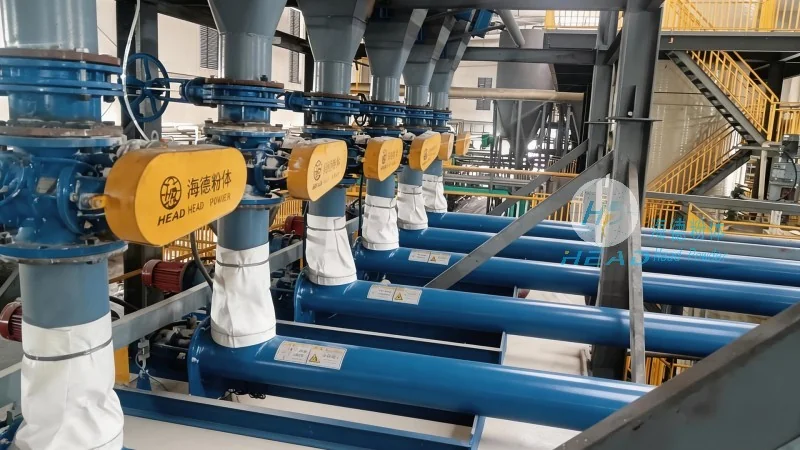
Company Overview: Shandong HeadPowder Engineering Co., Ltd.
Headpowder, the brand under Shandong HeadPowder Engineering Co., Ltd., is a leading manufacturer specializing in the design, development, and implementation of advanced material handling solutions. With a strong commitment to innovation and quality, the company has established itself as a trusted partner in the industry, providing tailored solutions that meet the diverse needs of clients across different sectors. Headquartered in Shandong, China, Headpowder leverages years of expertise to deliver reliable and efficient material feeding and conveying systems that enhance operational performance and reduce downtime.
Core Components and Their Functions
The automatic material feeding and conveying system typically consists of several key components, each playing a vital role in the overall operation. The primary components include feeding mechanisms, conveyors, control systems, and sensors. The feeding mechanism, often equipped with adjustable speed and direction controls, is responsible for accurately delivering materials into the system. Conveyors, such as belt conveyors, chain conveyors, or roller conveyors, transport the materials along the designated path. Control systems, usually integrated with programmable logic controllers (PLCs), manage the sequence of operations, ensuring synchronization between different components. Sensors, including photoelectric sensors, proximity sensors, and level sensors, monitor the material flow and provide real-time feedback to the control system, enabling automatic adjustments and preventing potential issues.
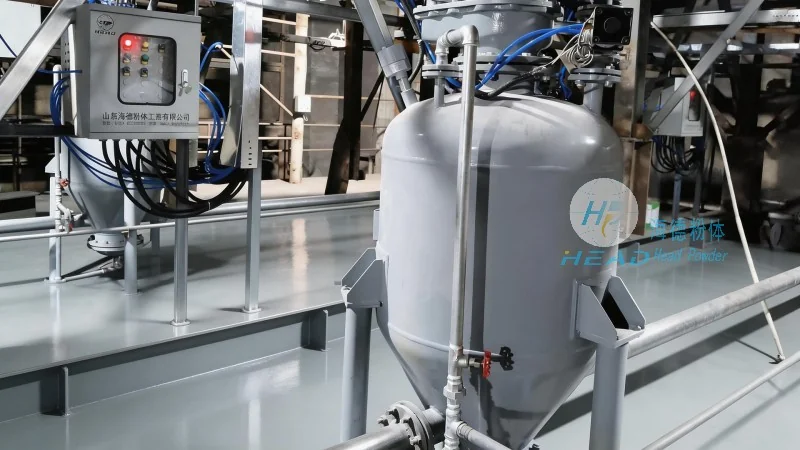
The Operation Process: Step-by-Step Explanation
The operation of an automatic material feeding and conveying system follows a systematic sequence that ensures smooth and continuous material handling. The process begins with the material being fed into the system by the feeding mechanism. The material is then transported along the conveyor system, guided by the direction and speed settings. As the material moves, sensors continuously monitor its position and quantity, providing data to the control system. The control system processes this information and adjusts the conveyor speed or direction as needed to maintain optimal flow. When the material reaches the designated destination, such as a processing station or storage area, the system triggers the next step in the production line. This step-by-step operation ensures that materials are handled efficiently, with minimal human intervention, and that the entire process is automated and consistent.
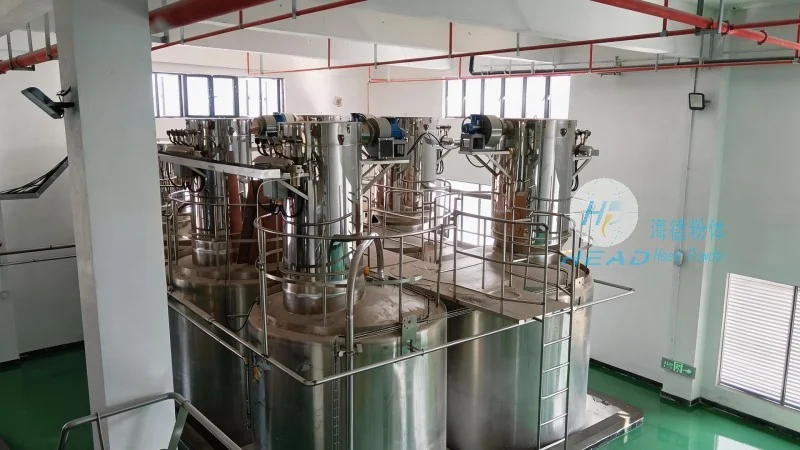
Working Principle: How the System Transfers Materials Efficiently
The working principle of an automatic material feeding and conveying system is based on the integration of mechanical, electrical, and control technologies. The system operates by converting energy into motion, using motors and actuators to drive the conveyor and feeding mechanisms. The control system coordinates the actions of these components, ensuring that they work in harmony to achieve the desired outcome. For example, in a typical setup, the feeding mechanism may use a vibratory feeder to move bulk materials into a hopper, which then feeds a belt conveyor. The conveyor transports the materials to a processing machine, where they are further handled. The sensors detect the presence of materials at each stage, and the control system adjusts the speed of the conveyor to maintain a steady flow. This integrated approach allows the system to operate efficiently, minimizing waste and maximizing throughput.
Technical Advantages and Practical Applications
Automatic material feeding and conveying systems offer several technical advantages that make them indispensable in modern industrial settings. These advantages include increased efficiency, reduced labor costs, improved accuracy, and enhanced safety. By automating the material handling process, companies can achieve higher production rates and lower operational costs. The systems are also designed to be flexible, allowing for easy integration with existing production lines and adaptation to changing production requirements. Practical applications of these systems are widespread, including in the pharmaceutical, food processing, automotive, and chemical industries. In the pharmaceutical industry, for example, automatic feeding systems ensure the precise handling of raw materials, maintaining the required purity and consistency. In the food processing industry, such systems help maintain hygiene standards and prevent contamination. Overall, the adoption of automatic material feeding and conveying systems has become a key factor in improving operational efficiency and competitiveness in various industries.