

Operation Process and Working Principle of Intelligent Weighing Material Conveying
Intelligent weighing material conveying systems represent a sophisticated integration of technology and industrial automation, designed to enhance efficiency and precision in material handling processes. These systems are engineered to handle a wide range of materials, from bulk powders to granular substances, ensuring accurate measurement and controlled transport. The core functionality revolves around real-time weight monitoring and automated adjustments to maintain optimal flow rates, making them indispensable in modern manufacturing and processing facilities.
Key Components and Their Roles in the System
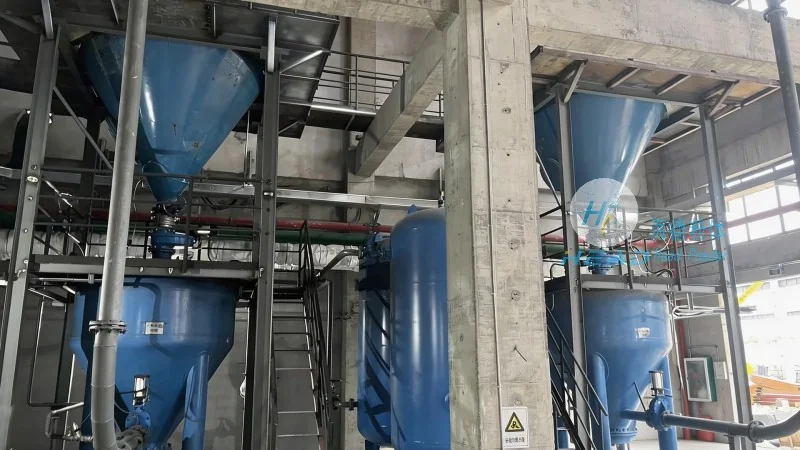
The operation of intelligent weighing material conveying systems relies on several critical components that work in tandem to achieve precise control. At the heart of the system is the weighing sensor, typically a load cell or a multi-point weighing platform, which provides accurate weight data. These sensors are often equipped with strain gauges or digital load cells that convert mechanical stress into electrical signals, enabling precise weight measurement. The data is transmitted to a control unit, often equipped with advanced processing capabilities, such as a programmable logic controller (PLC) or a dedicated weighing controller. The control unit processes the weight information and compares it with preset targets, triggering adjustments to the conveying mechanism. Additionally, sensors for level detection, flow rate monitoring, and environmental conditions (e.g., temperature, humidity) may be integrated to ensure comprehensive system management. Each component plays a vital role in maintaining the system's stability and accuracy, contributing to consistent material handling performance. For instance, level sensors in the hopper detect when the material reaches a certain height, signaling the control unit to adjust the feed rate to prevent overflow. Flow rate sensors monitor the speed of material movement, ensuring that the system operates within optimal parameters. Environmental sensors may be used to compensate for changes in material density due to temperature variations, further enhancing the system's accuracy.
The Operation Process: Step-by-Step Execution
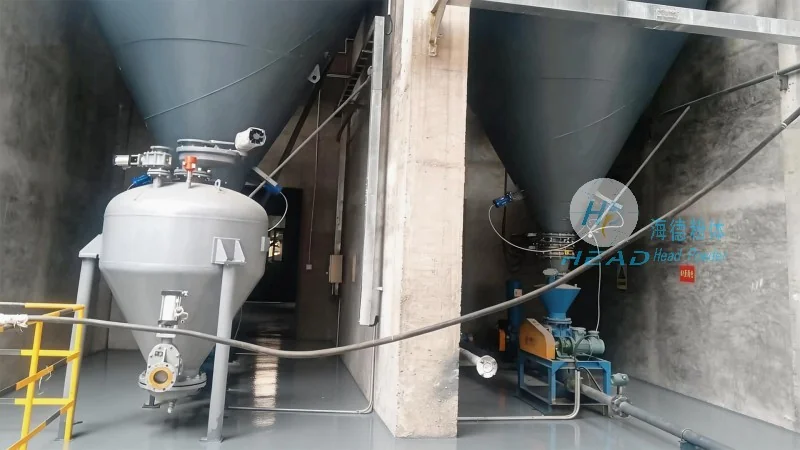
The operation process of an intelligent weighing material conveying system follows a systematic sequence to ensure smooth and accurate material transport. Initially, the system undergoes a calibration phase, where the weighing sensors are adjusted to account for any variations in load or environmental factors. Once calibrated, the system enters the operational mode, where material is fed into the conveying line. The weighing sensor continuously monitors the weight of the material in the weighing hopper or conveyor section. As material accumulates, the control unit compares the current weight with the target setpoint. If the weight is below the target, the system activates the conveying mechanism to increase the flow rate. Conversely, if the weight exceeds the target, the flow rate is reduced or the conveyor is temporarily halted. This closed-loop control ensures that the material is conveyed at a consistent rate, preventing overfilling or underfilling. The system also incorporates safety features, such as overload protection and emergency stop mechanisms, to safeguard against equipment damage or material spillage. The calibration process is critical as it ensures that the system's measurements are accurate and reliable, minimizing errors that could affect material handling efficiency.
Working Principle: How the System Maintains Precision
The working principle of intelligent weighing material conveying systems is based on closed-loop feedback control, which enables real-time adjustments to maintain precise material flow. The system continuously measures the weight of the material being conveyed and compares it to the desired setpoint. Any deviation from the setpoint triggers an adjustment to the conveying speed or feed rate. For example, in a powder handling application, if the weight in the hopper drops below the target, the system increases the feed from the hopper to the conveyor, ensuring a steady flow. Conversely, if the weight rises above the target, the feed is reduced to prevent overloading the downstream processing equipment. This dynamic adjustment minimizes variations in material quantity, which is crucial for applications requiring consistent batch sizes or material distribution. The integration of sensors and control logic allows the system to adapt to changing conditions, such as variations in material density or conveyor speed, ensuring consistent performance under diverse operational scenarios. The closed-loop system also enables the system to self-correct, reducing the need for manual intervention and improving overall operational efficiency.
Company Background: Shandong HeadPowder Engineering Co., Ltd.
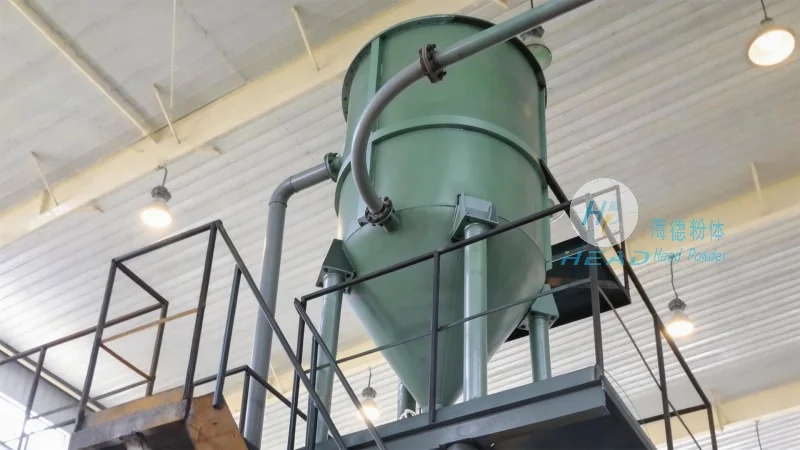
Shandong HeadPowder Engineering Co., Ltd., commonly known as HeadPowder, is a leading manufacturer and supplier of intelligent weighing material conveying systems. With a strong focus on innovation and quality, the company has established itself as a trusted partner in the industrial automation sector. HeadPowder's products are designed to meet the specific needs of various industries, including pharmaceuticals, food processing, chemicals, and mining. The company's commitment to research and development ensures that its systems incorporate the latest technological advancements, such as advanced sensors, intelligent control algorithms, and user-friendly interfaces. HeadPowder's team of engineers and technicians works closely with clients to understand their operational requirements and provide customized solutions that enhance efficiency and reduce operational costs. The company's headquarters is located in Shandong, China, where it maintains state-of-the-art manufacturing facilities and a dedicated research and development center. Through its expertise and dedication to customer satisfaction, HeadPowder continues to deliver high-performance intelligent weighing material conveying systems that meet the evolving demands of modern industry. The company adheres to international quality standards and provides comprehensive after-sales support, ensuring that clients receive reliable and durable equipment that enhances their production processes.