

Operation Process and Working Principle of Intermittent Material Handling
Intermittent material handling is a critical aspect of industrial operations, referring to the process of moving materials in discrete batches or units rather than a continuous flow. This method is widely used in various industries, including manufacturing, logistics, and warehousing, where precise control over material movement is essential. The systems designed for intermittent material handling are engineered to handle a variety of materials, from bulk powders to packaged goods, ensuring efficient and reliable operation.
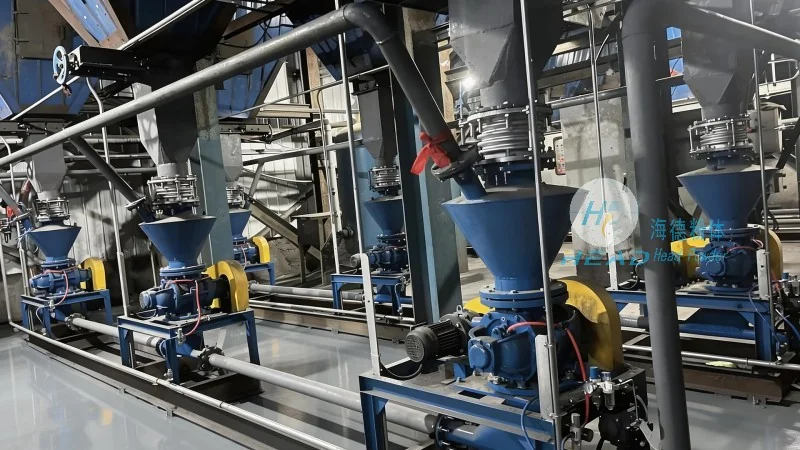
Operation Process of Intermittent Material Handling Systems
The operation process of intermittent material handling systems typically involves several key steps. First, the material is loaded into the handling equipment, such as a conveyor or a hoist. Next, the system initiates the movement of the material in discrete intervals, allowing for controlled transport. This process may include lifting, transporting, and positioning the material to the desired location. The operation is often automated, with sensors and control systems ensuring precise execution. The cycle repeats as needed, enabling continuous but intermittent material flow.
Working Principle of Intermittent Material Handling Equipment
The working principle of intermittent material handling equipment revolves around mechanical or hydraulic systems that control the movement of materials. For example, in a hoist system, a motor drives a lifting mechanism, allowing the material to be raised or lowered in controlled increments. In conveyor systems, rollers or belts move the material in short, discrete segments. The equipment is designed to provide high precision and stability, minimizing material handling errors and ensuring product integrity. The control systems, often integrated with programmable logic controllers (PLCs), manage the timing and sequence of movements, optimizing the overall operation.
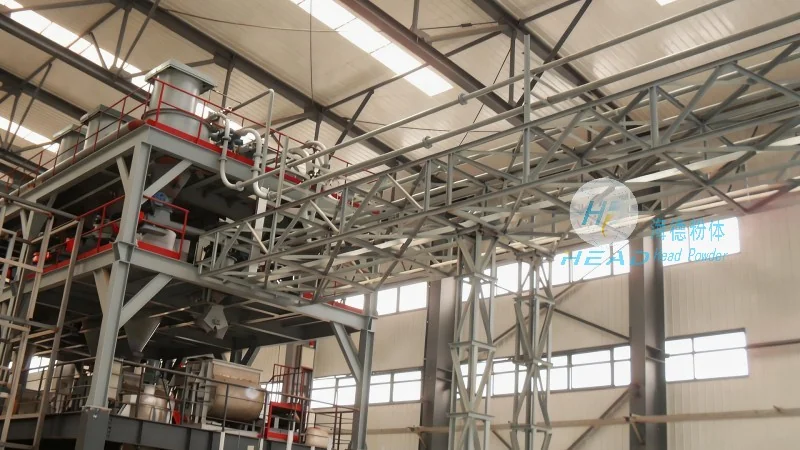
Key Components and Their Functions in Intermittent Material Handling
Several key components contribute to the effective operation of intermittent material handling systems. The lifting or conveying mechanism, such as a hoist or a belt conveyor, is the primary component responsible for moving the material. Control systems, including sensors and PLCs, monitor the position and status of the material, ensuring safe and accurate operation. Power sources, like electric motors or hydraulic pumps, provide the necessary energy for the movement. Additionally, safety features, such as emergency stop buttons and overload protection, are integrated to prevent accidents and equipment damage.
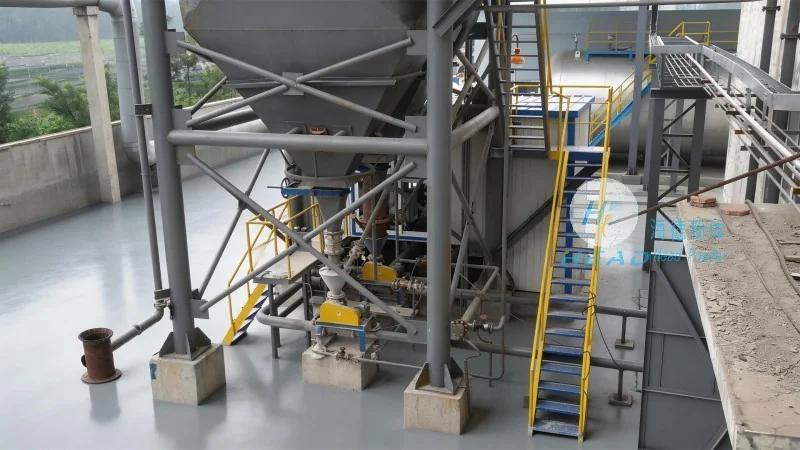
Application Scenarios and Practical Use Cases
Intermittent material handling is applied in diverse industrial settings. In manufacturing plants, it is used to transport raw materials to production lines and finished products to storage areas. In warehouses, it facilitates the movement of inventory between storage racks and shipping docks. The system is particularly useful in industries dealing with bulk materials, such as powders, grains, or liquids, where continuous flow may not be feasible or efficient. For example, in a pharmaceutical factory, intermittent material handling ensures the safe and controlled transport of raw ingredients and finished medications. Similarly, in a food processing plant, it helps maintain hygiene and product quality during material transfer.
About Shandong HeadPowder Engineering Co., Ltd.
Shandong HeadPowder Engineering Co., Ltd., commonly known as headpowder, is a leading provider of industrial material handling solutions. With a focus on innovation and quality, the company specializes in designing and manufacturing equipment tailored to the needs of various industries. Headpowder's products are engineered to enhance operational efficiency, reduce downtime, and improve safety in material handling processes. The company's headquarters is located in Shandong, China, where it leverages advanced technology and expertise to deliver reliable solutions to clients worldwide.