Shandong HeadPowder Engineering Co., Ltd., a leading manufacturer based in China, specializes in the design, development, and supply of advanced powder handling solutions. The company’s expertise lies in creating efficient and reliable systems for transporting polycarbonate powder, a material widely used in various industrial applications due to its excellent mechanical properties and chemical resistance. This article provides an in-depth look at the operation process and working principle of the polycarbonate powder conveying system equipment, highlighting its key components, operational flow, and technical advantages.
Key Components of the Polycarbonate Powder Conveying System
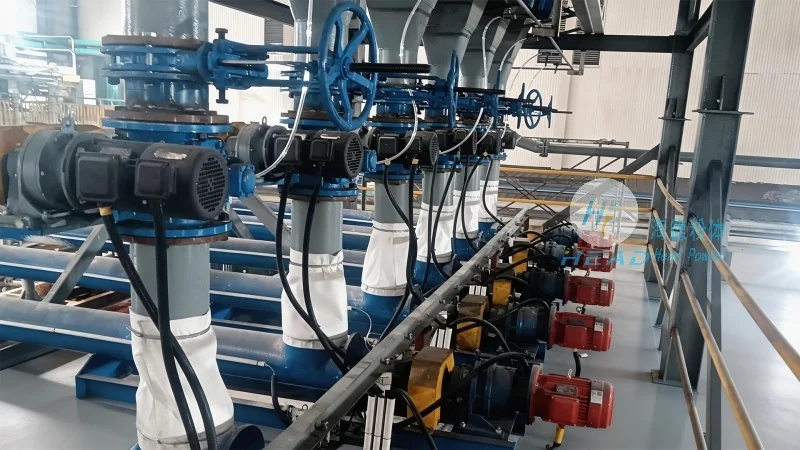
The polycarbonate powder conveying system typically consists of several essential components that work in tandem to ensure smooth and efficient material transport. These components include a hopper for material storage, a feeder to control the flow rate, a conveyor mechanism (such as a screw or pneumatic conveyor), a dust collection system to maintain air quality, and a control panel for monitoring and adjusting the system’s performance. Each component is carefully engineered to handle the unique characteristics of polycarbonate powder, which can be abrasive and prone to static buildup. The hopper is designed with a sloped bottom to facilitate material discharge, while the feeder ensures a consistent and controlled feed rate, preventing overloading or underfeeding that could affect system efficiency. The conveyor mechanism is chosen based on the material’s properties and the required conveying distance, with options ranging from screw conveyors for short distances to pneumatic systems for longer or more complex routes. The dust collection system is critical for maintaining a safe and clean working environment, as polycarbonate powder can generate fine particles that may be harmful if inhaled. The control panel allows operators to monitor key parameters such as pressure, flow rate, and temperature, enabling real-time adjustments to optimize performance and prevent equipment damage.
Operation Process of the Polycarbonate Powder Conveying System
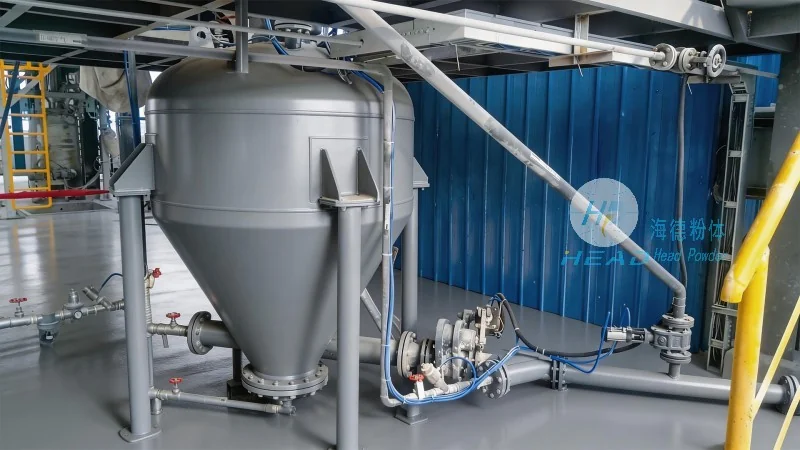
The operation of the polycarbonate powder conveying system follows a systematic process that ensures the safe and efficient transport of material from the storage hopper to the destination point. The process begins with the loading of polycarbonate powder into the hopper. The powder is then discharged from the hopper into the feeder, which regulates the flow rate based on the system’s requirements. The feeder may use a rotary valve or a vibratory feeder to control the material flow, ensuring a consistent and controlled feed to the conveyor mechanism. The conveyor mechanism then transports the powder through the system, either by mechanical means (e.g., a screw conveyor) or by pneumatic pressure (e.g., a pneumatic conveyor). During transport, the system may include additional components such as mixers or classifiers to adjust the powder’s properties as needed. The material is then discharged at the destination point, which could be a storage silo, a processing machine, or a packaging unit. Throughout the operation, the dust collection system continuously removes airborne particles, maintaining air quality and preventing dust accumulation in the system. The control panel monitors all key parameters, and operators can adjust settings as required to maintain optimal performance. The entire process is designed to be automated, reducing the need for manual intervention and minimizing the risk of human error. This automated operation ensures consistent performance and enhances overall system efficiency.
Working Principle of the Polycarbonate Powder Conveying System
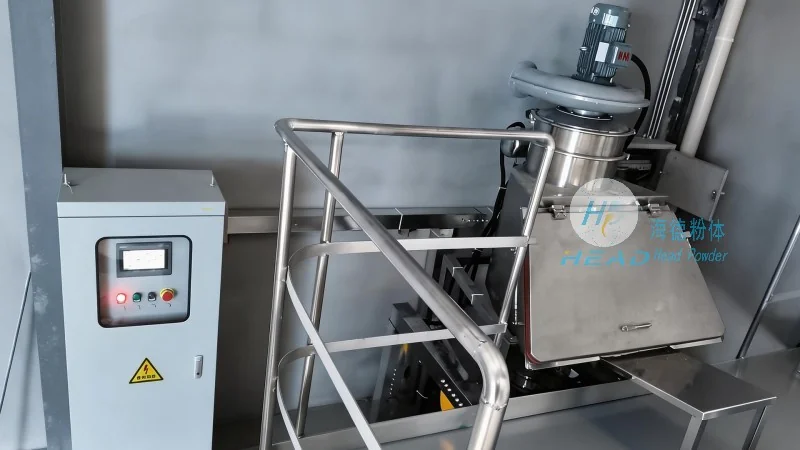
The working principle of the polycarbonate powder conveying system is based on the principles of fluidization and mechanical transport. The system uses a combination of pressure and mechanical force to move the powder through the conveyor. In a mechanical conveyor system, such as a screw conveyor, the rotating screw pushes the powder forward along the conveyor tube. The screw’s pitch and speed are carefully selected to match the material’s flow characteristics, ensuring smooth and continuous transport. The system’s design takes into account the powder’s density, particle size, and moisture content, as these factors can affect its flowability and the system’s performance. For example, polycarbonate powder, being a relatively fine and abrasive material, requires a conveyor with a smooth interior surface to minimize wear and prevent material buildup. The pneumatic conveying system operates on the principle of air movement, where compressed air is used to create a flow that carries the powder particles through the system. The air velocity is maintained at a level that prevents particle separation or clogging, ensuring efficient transport. The system may include cyclone separators or filters to separate the powder from the air, allowing the powder to be collected at the destination point while the air is returned to the system or released to the atmosphere. The control system monitors the air pressure and flow rate, adjusting them as needed to maintain optimal conveying conditions. The working principle also involves the management of static electricity, as polycarbonate powder can generate static charges during transport. The system may include grounding or anti-static additives to prevent static buildup, which could cause material accumulation or spark hazards. Overall, the working principle of the polycarbonate powder conveying system is designed to efficiently and safely transport the material while minimizing wear, energy consumption, and environmental impact.




