The cement raw material powder conveying system equipment serves as a pivotal component in the cement production workflow, tasked with the efficient and stable transportation of raw materials such as limestone, clay, and iron ore. This equipment is engineered to meet the high-precision and large-scale conveying demands of modern cement plants, ensuring a seamless flow of raw materials from storage to subsequent production stages. The system integrates advanced control technology with mechanical design, delivering reliable performance and energy efficiency. In this article, we delve into the detailed operation process and working principle of this equipment, focusing on its core components, operational procedures, and technical advantages that make it indispensable for cement manufacturing.
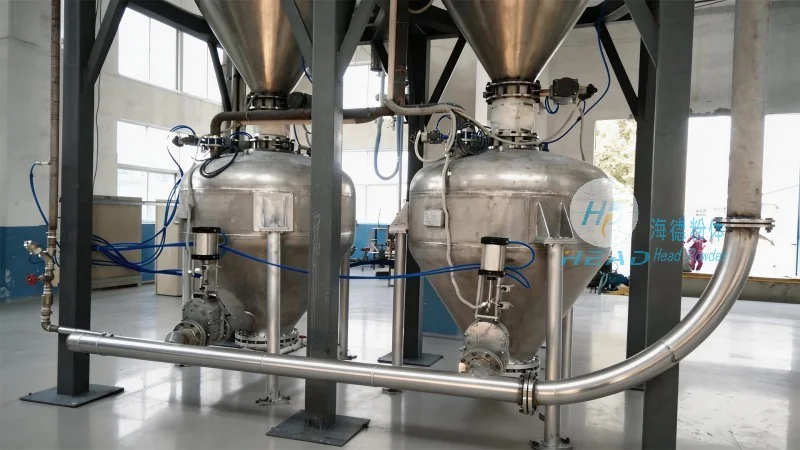
Key Components of the Cement Raw Material Powder Conveying System
The cement raw material powder conveying system typically comprises several critical components, each with specific functions that collectively enable the conveying process. Primary components include raw material storage silos, feeders, conveying equipment (e.g., screw conveyors, pneumatic conveyors, or bucket elevators), control systems, and auxiliary devices like dust collectors and safety mechanisms. The storage silos are used to bulk-store raw materials, ensuring a consistent supply. Feeders, often equipped with variable speed drives, regulate the flow rate of raw materials into the conveying system. The conveying equipment forms the system's core, responsible for transporting the powder from storage silos to the cement production line. The control system continuously monitors and adjusts all components' operation, ensuring optimal performance and safety. Auxiliary equipment, such as dust collectors, helps manage dust emissions and maintain a clean working environment.
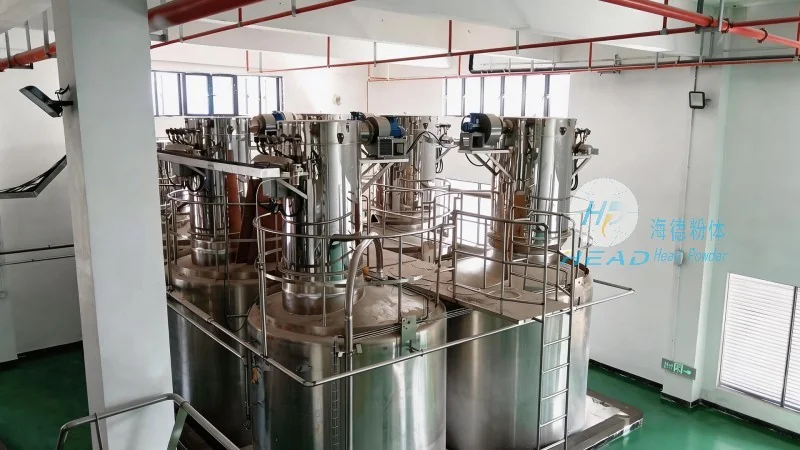
Working Principle of the Cement Raw Material Powder Conveying System
The working principle of the cement raw material powder conveying system is grounded in the physical properties of raw materials and the principles of fluidization and pneumatic transport. The process initiates with raw materials stored in silos. Feeders then meter the raw materials into the conveying equipment. For pneumatic systems, raw materials are mixed with air and transported via pipelines. Air pressure and flow rate are controlled to ensure efficient material transport without clogging. The conveying equipment may utilize positive or negative pressure: positive pressure systems employ blowers to push material through pipelines, while negative pressure systems use vacuum pumps to pull material. The control system continuously monitors pressure, flow rate, and material levels, adjusting parameters to maintain stable conveying. The system also incorporates safety features like pressure relief valves and emergency stop buttons to prevent accidents and ensure operator safety.
Operation Process of the Cement Raw Material Powder Conveying System
The operation process of the cement raw material powder conveying system involves sequential steps, from raw material preparation to final delivery to the cement production line. The first step is raw material preparation, where materials are stored in silos and inspected for quality and moisture content. The second step is the feeding process, where feeders regulate flow rates into the conveying equipment. The third step is the conveying process, where material is transported through pipelines to the next stage. The fourth step is discharge, delivering material to the cement production line (e.g., raw mill or preheater). The control system monitors all steps and adjusts parameters as needed. Routine maintenance procedures, such as pipeline cleaning and equipment wear checks, are also part of the operation to ensure efficiency and safety.
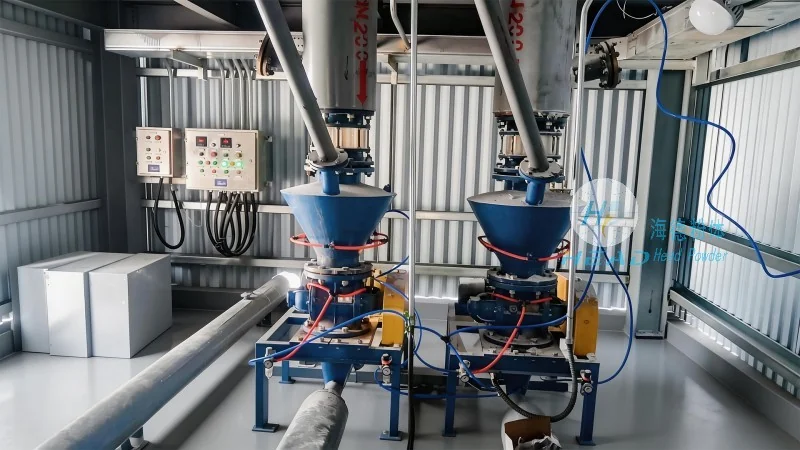
Technical Advantages and Features of the Cement Raw Material Powder Conveying System
The cement raw material powder conveying system offers several technical advantages suitable for modern cement plants. A key advantage is high conveying efficiency, enabling large volumes of raw materials to be transported at high speeds. The system also exhibits low energy consumption, reducing operational costs for the cement plant. Equipment is designed for easy maintenance, with modular components that can be replaced quickly. Advanced control technology, including PLC (Programmable Logic Controller) and SCADA (Supervisory Control and Data Acquisition) systems, provides real-time monitoring and control. The system is also engineered for safety and reliability, with multiple safety features to prevent accidents. High-quality materials like stainless steel and corrosion-resistant alloys ensure long service life and durability.




