

Choosing Between Positive Pressure and Negative Pressure for Pharmaceutical Particle Delivery: How t
When it comes to pharmaceutical particle delivery, selecting the right method of transport is crucial for ensuring efficiency, safety, and product integrity. Two common approaches are positive pressure and negative pressure systems, each with distinct characteristics and applications. Understanding the differences between these two methods is essential for making an informed decision in pharmaceutical manufacturing. This article will explore the key aspects of positive pressure versus negative pressure for pharmaceutical particle delivery, helping to clarify how to distinguish between them.
Understanding Positive Pressure Delivery Systems
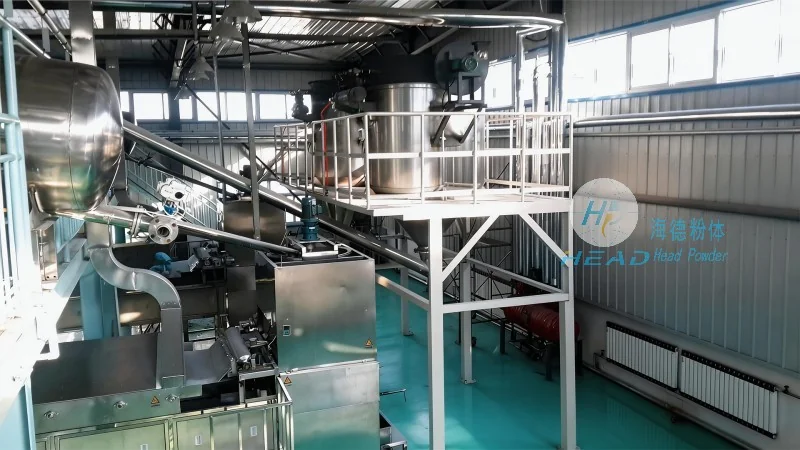
Positive pressure delivery systems operate by using compressed air or gas to push particles through a system. This method is often used in applications where a consistent and controlled flow of particles is required, such as in the delivery of powders or granules to processing equipment. The primary advantage of positive pressure is its ability to maintain a steady flow rate, even under varying conditions. This can be particularly beneficial in environments where precise dosing is critical, like in the production of inhalable medications or other dosage forms that require accurate particle delivery. Positive pressure systems typically utilize a pump or compressor that generates the necessary pressure to move particles through a pipeline or delivery line. The system is designed to ensure that particles are not lost or degraded during transport, as the pressure helps to maintain the integrity of the material. This method is also relatively straightforward to set up and maintain, making it a popular choice for many pharmaceutical operations. Additionally, positive pressure systems can be easily scaled to accommodate different production volumes, allowing for flexibility in manufacturing processes.
Exploring Negative Pressure Delivery Systems
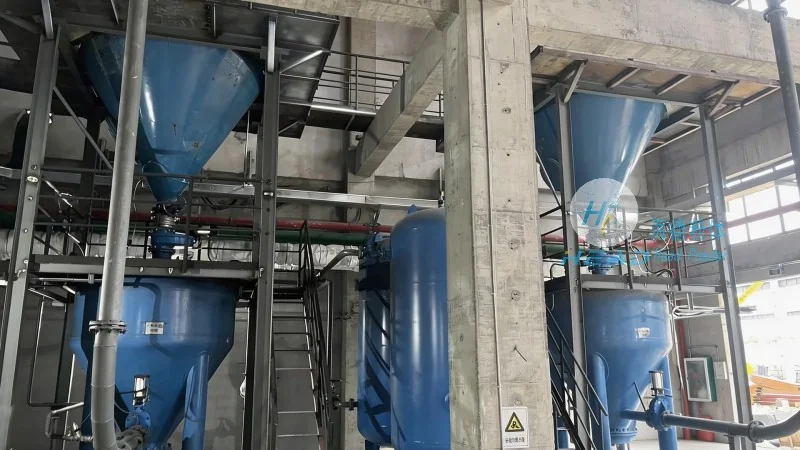
Negative pressure delivery systems, on the other hand, rely on suction or vacuum to draw particles into a system. This approach is often used in applications where the goal is to collect or transfer particles from a source to a destination, such as in the removal of dust or the transfer of powders from a hopper to a processing unit. The main benefit of negative pressure is its ability to create a gentle, low-velocity flow that minimizes particle degradation and agglomeration. Negative pressure systems typically use a vacuum pump or fan to create the necessary suction force. The system is designed to prevent the ingress of contaminants and to maintain a clean environment, which is essential in pharmaceutical manufacturing where product purity is paramount. This method is particularly useful in situations where the particles are sensitive to high pressure or where a controlled, low-speed transfer is required. Furthermore, negative pressure systems can be equipped with filtration and dust collection systems to ensure that particles are handled in a clean and safe manner, reducing the risk of contamination.
Distinguishing Between Positive and Negative Pressure Systems
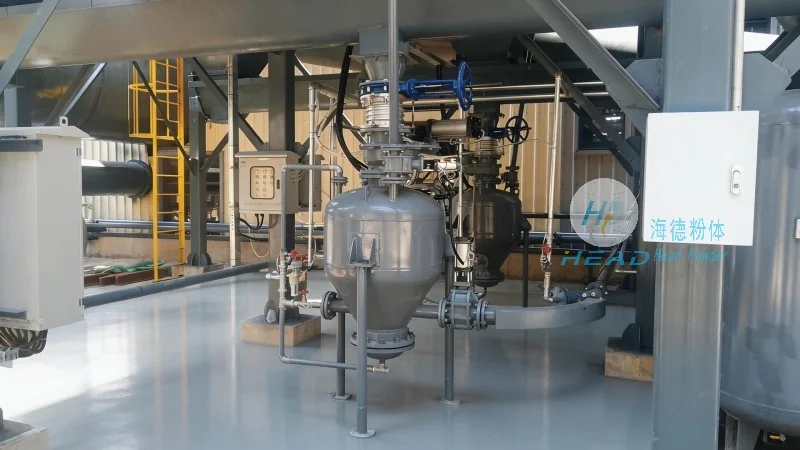
So, how can one distinguish between positive and negative pressure delivery systems? The key lies in the direction of force and the method of particle movement. Positive pressure systems use external force to push particles forward, while negative pressure systems use suction to draw particles inward. This fundamental difference impacts the system's design, operation, and suitability for specific applications. From a practical standpoint, positive pressure systems are generally more suitable for high-volume, high-speed applications where a consistent flow is needed. They are often used in continuous manufacturing processes where the delivery of large quantities of particles is required. Negative pressure systems, conversely, are better suited for low-volume, gentle handling applications where minimizing particle damage is a priority. They are commonly used in applications such as dust collection, particle transfer from hoppers, or in the handling of sensitive materials like APIs (Active Pharmaceutical Ingredients).
Factors to Consider When Choosing a System
When deciding between positive and negative pressure for pharmaceutical particle delivery, several factors should be considered. These include the type of particles being handled, the required flow rate, the sensitivity of the material to pressure, and the overall system design. For example, if the particles are fine and easily agglomerate, a negative pressure system may be preferred to avoid breakage. Conversely, if the particles are large and require a high flow rate, a positive pressure system may be more appropriate. Another important consideration is the environmental impact and safety aspects. Positive pressure systems can generate higher noise levels and may require more maintenance due to the moving parts involved, such as pumps and compressors. Negative pressure systems, while quieter, may require more careful handling to prevent air leaks and maintain a clean environment, as any breach in the system could lead to contamination. The choice of system should also align with the existing infrastructure and operational capabilities of the pharmaceutical facility, including available space, power supply, and personnel expertise.
Conclusion
Choosing between positive pressure and negative pressure for pharmaceutical particle delivery is a critical decision that impacts the efficiency and quality of pharmaceutical manufacturing. By understanding the characteristics and applications of each system, manufacturers can select the most appropriate method for their specific needs. Whether opting for the consistent flow of positive pressure or the gentle handling of negative pressure, the goal is to ensure that particles are delivered safely, efficiently, and with the highest level of product integrity. For more information on pharmaceutical particle delivery solutions, contact Shandong HeadPowder Engineering Co., Ltd., a leading provider of engineering solutions for the pharmaceutical industry based in China. The company specializes in designing and implementing customized particle delivery systems that meet the unique requirements of pharmaceutical manufacturers, ensuring compliance with regulatory standards and optimizing production processes.