

[Dry Sludge Transport: Choosing Positive Pressure or Negative Pressure Systems? How to Distinguish?]
Dry sludge transport is a critical process in waste management and environmental engineering, requiring efficient and reliable systems to handle the material safely and effectively. When selecting a transport method, two primary approaches are commonly considered: positive pressure and negative pressure systems. Understanding the distinctions between these systems is essential for optimizing operational efficiency and ensuring compliance with environmental regulations. This article provides a detailed comparison of positive and negative pressure systems for dry sludge transport, helping professionals in the industry make informed decisions.
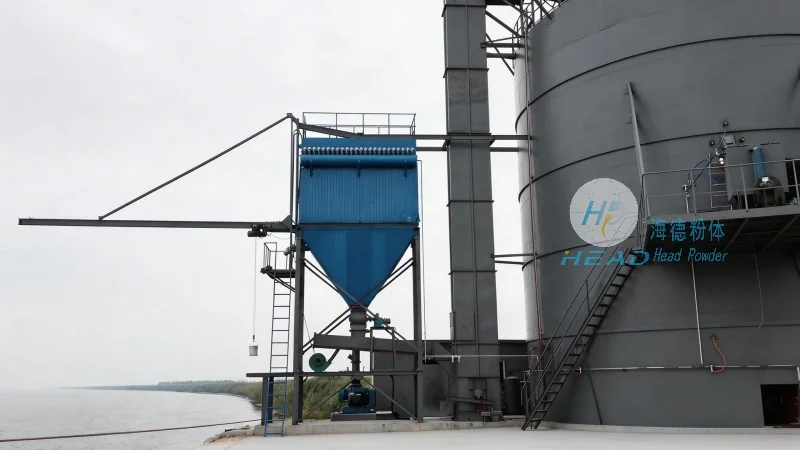
Introduction to Dry Sludge Transport Systems
Dry sludge, often resulting from the dewatering of wastewater treatment processes, is a fine, powdery material that poses unique challenges during transportation. Traditional methods, such as trucking or conveyor belts, may not be suitable due to the material's dustiness and potential for air pollution. Therefore, specialized transport systems are employed to move dry sludge from one location to another, such as from a treatment plant to a disposal site or a processing facility. The choice of transport system significantly impacts operational costs, environmental impact, and overall project success.
Understanding Positive Pressure and Negative Pressure Transport
Positive pressure transport systems operate by forcing air or gas through the transport line, creating a pressure higher than the surrounding atmosphere. This method ensures that the dry sludge is pushed through the system, preventing backflow and maintaining a consistent flow rate. Conversely, negative pressure transport systems create a vacuum or low-pressure environment within the transport line, drawing the dry sludge into the system. Both approaches have distinct advantages and are suitable for different applications based on factors like distance, material characteristics, and infrastructure availability.
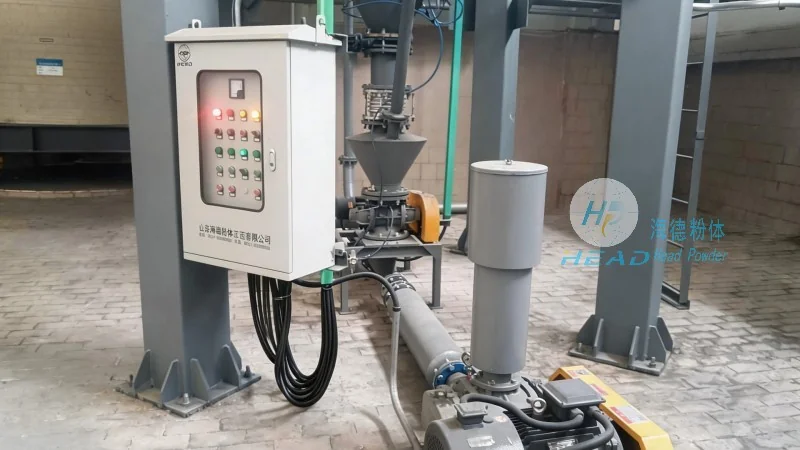
Key Differences Between Positive and Negative Pressure Systems
The primary difference between positive and negative pressure systems lies in the direction of air movement and the pressure dynamics within the transport line. Positive pressure systems use compressed air to propel the sludge, which can be more energy-intensive but offers better control over flow rates and pressure. Negative pressure systems, on the other hand, rely on suction to draw the material, which may be more suitable for longer distances or when the material is more cohesive. Another key difference is the impact on the environment; positive pressure systems may require additional filtration to prevent dust emissions, while negative pressure systems can be more effective at capturing particulates but may generate higher noise levels.
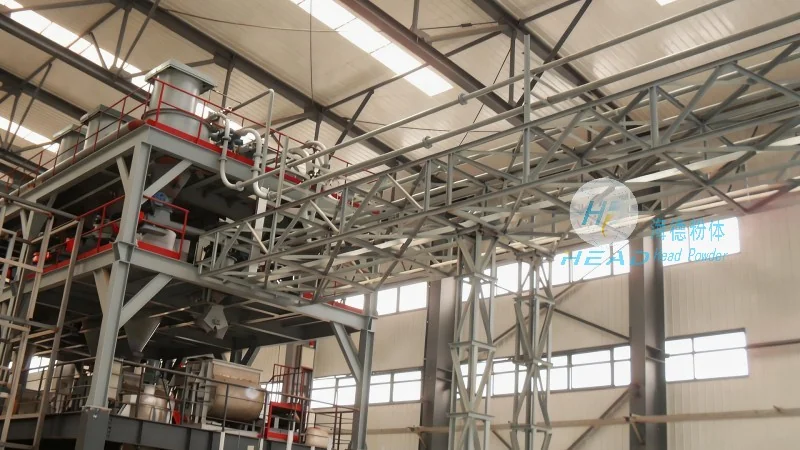
Factors to Consider When Choosing a System
When deciding between positive and negative pressure systems for dry sludge transport, several factors must be evaluated. The distance between the source and destination is a critical consideration, as negative pressure systems are often preferred for longer distances due to their ability to maintain suction over extended lengths. The characteristics of the dry sludge, including its moisture content, particle size, and dust generation potential, also influence the choice. For example, cohesive or high-moisture sludge may require positive pressure systems to ensure consistent flow, while dry, fine sludge may be better suited for negative pressure transport. Additionally, the existing infrastructure and available power sources play a role, as positive pressure systems may need dedicated air compressors, while negative pressure systems may require vacuum pumps or fans.
About Shandong HeadPowder Engineering Co., Ltd.
Shandong HeadPowder Engineering Co., Ltd., a leading provider of engineering solutions in China, specializes in the design, manufacturing, and installation of dry sludge transport systems. With a focus on innovation and customer satisfaction, the company has developed advanced technologies to address the unique challenges of sludge transport. HeadPowder's expertise includes both positive and negative pressure systems, tailored to meet the specific needs of clients in the waste management and environmental sectors. The company's facilities are located in Shandong, China, where it leverages local resources and expertise to deliver high-quality products and services. By choosing HeadPowder, clients can benefit from reliable, efficient, and environmentally friendly solutions for their dry sludge transport requirements.