

Choosing Between Positive Pressure and Negative Pressure for Sulfur Tablet Conveying: How to Disting
The selection of an appropriate conveying system is a critical decision for industries handling sulfur tablets, as it directly impacts operational efficiency, product integrity, and safety. Two primary methods are widely used: positive pressure and negative pressure conveying. Understanding the differences between these systems is essential for selecting the most suitable solution for your specific needs.
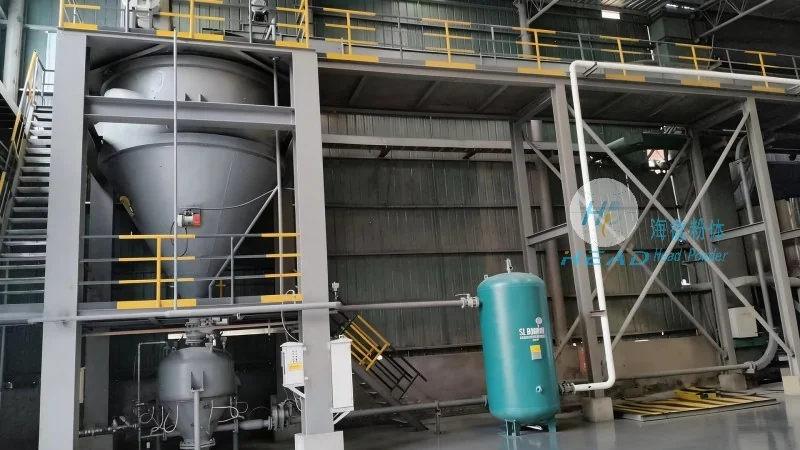
Understanding the Basics of Sulfur Tablet Conveying Systems
Sulfur tablets are often used in industrial processes such as chemical manufacturing, pharmaceuticals, and agricultural applications. Their handling requires specialized equipment to ensure consistent flow and prevent contamination. Conveying systems are designed to transport these tablets from storage to processing areas efficiently. The choice between positive and negative pressure systems depends on factors like material properties, plant layout, and operational requirements.
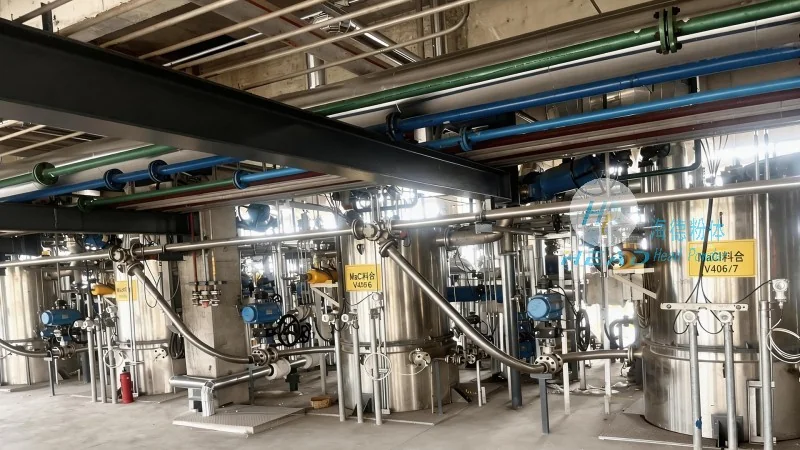
Positive Pressure Conveying Systems: Advantages and Applications
Positive pressure conveying systems operate by blowing air or gas into the conveying line, creating a pressure higher than the ambient air. This method is particularly effective for transporting sulfur tablets that are prone to dust generation or require airtight containment. The primary advantages include: Efficient material transport over long distances. Ability to handle abrasive or sticky materials without damage. Reduced risk of product degradation due to exposure to ambient air. For example, in chemical plants where sulfur tablets are used as a raw material, positive pressure systems ensure that the tablets are conveyed without breaking or losing their integrity. This is crucial for maintaining product quality and minimizing waste.
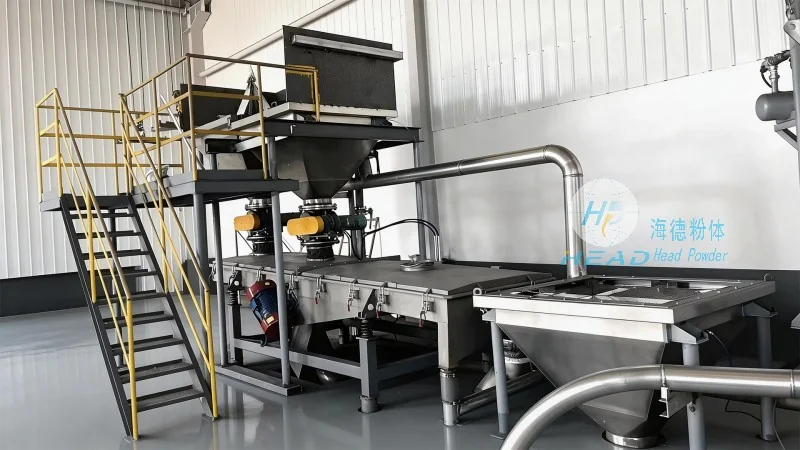
Negative Pressure Conveying Systems: Advantages and Applications
Negative pressure conveying systems, also known as vacuum systems, work by creating a vacuum in the conveying line, drawing material into the system. This method is ideal for applications where dust control is paramount or where the material is lightweight and easily entrained by air. The key benefits include: Effective dust collection and containment. Gentle handling of delicate or friable materials. Lower energy consumption compared to positive pressure systems in some cases. In the context of sulfur tablet handling, negative pressure systems are often preferred when the tablets are stored in open bins or when the plant layout requires material to be drawn from multiple points. The vacuum helps in maintaining a clean environment and preventing dust from spreading throughout the facility.
Key Factors to Consider When Choosing Between Positive and Negative Pressure
When deciding between positive and negative pressure conveying for sulfur tablets, several factors must be evaluated: 1. Material Properties: The physical characteristics of the sulfur tablets, such as size, shape, and moisture content, influence the choice. For example, irregularly shaped tablets may require a system that can handle variations in flow. 2. Plant Layout and Distance: The distance between the storage and processing areas and the overall plant layout determine the feasibility of each system. Positive pressure systems are generally better for long-distance transport, while negative pressure is suitable for shorter distances or when multiple pick-up points are needed. 3. Dust Control Requirements: If the plant has strict regulations on dust emissions, negative pressure systems may be more appropriate due to their enclosed nature. 4. Energy Efficiency: Positive pressure systems may consume more energy due to the need to generate higher pressure, whereas negative pressure systems can be more energy-efficient for shorter runs. 5. Maintenance and Operational Costs: The long-term costs associated with maintenance, including filter replacement and system repairs, should be considered. Positive pressure systems may require more frequent filter changes due to the higher volume of air being handled.
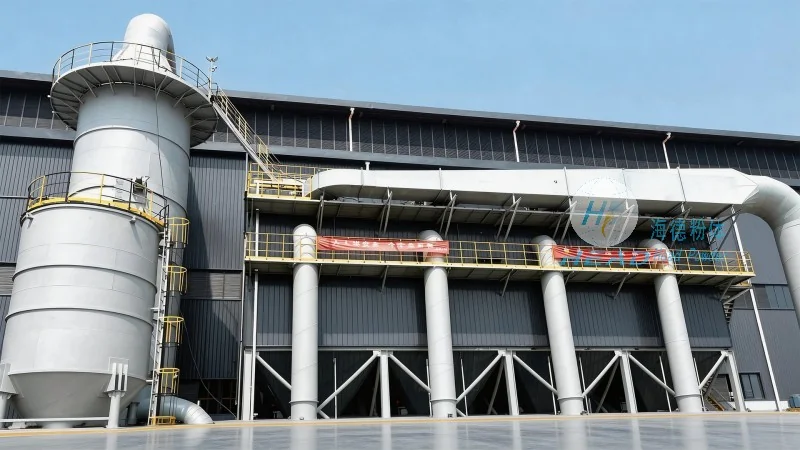
Practical Recommendations for Sulfur Tablet Conveying
Based on the analysis of positive and negative pressure systems, practical recommendations for selecting the right conveying method for sulfur tablets include: Conduct a thorough assessment of the material properties and plant layout to determine the most suitable system. Consider the environmental regulations and dust control requirements of the facility. Evaluate the energy consumption and long-term operational costs of each system. Consult with industry experts or manufacturers like Shandong HeadPowder Engineering Co., Ltd. to get tailored advice based on specific operational needs. Shandong HeadPowder Engineering Co., Ltd., a leading provider of material handling solutions, offers customized conveying systems that cater to the unique requirements of sulfur tablet transport. Their expertise in positive and negative pressure technologies ensures that clients receive efficient and reliable solutions that enhance productivity and safety.