

What is a Dilute Phase Material Handling System? What are its Design Principles?
When it comes to transporting bulk materials like powders, granules, or fine particles, industrial operations often rely on specialized systems to ensure efficiency, reliability, and safety. Among these, dilute phase material handling systems stand out as a critical technology for moving materials over long distances or through complex layouts. This article explores what dilute phase material handling systems are and delves into the core design principles that govern their operation.
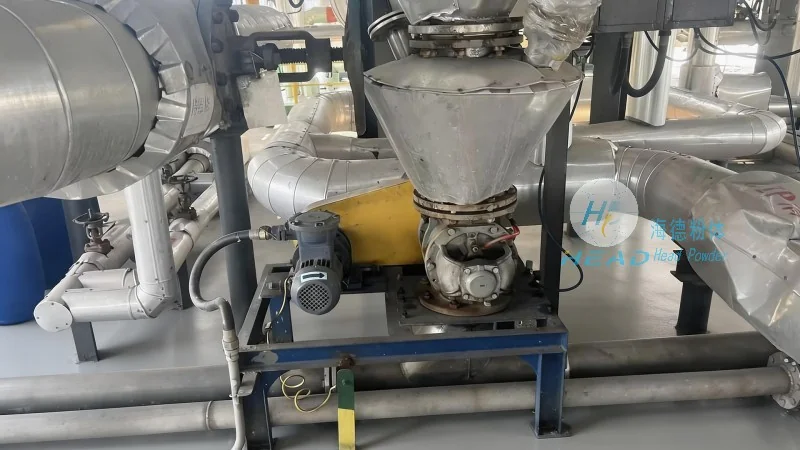
What is a Dilute Phase Material Handling System?
A dilute phase material handling system is a method of transporting bulk solid materials by suspending them in a high-velocity gas stream, typically air or other gases. Unlike dense phase or pneumatic conveying systems where particles move in a slurry-like state, dilute phase systems operate with a low solid concentration in the gas stream. This approach allows for the efficient movement of materials through pipelines, often at high speeds, making it suitable for applications requiring rapid, continuous material transfer. The system typically consists of a blower or compressor to generate the gas flow, a hopper or feeder to introduce the material, and a pipeline network to deliver the material to its destination. The key characteristic is the suspension of particles in the gas, which minimizes friction and allows for smooth, unobstructed flow.
Core Design Principles of Dilute Phase Material Handling Systems
The effectiveness of a dilute phase material handling system hinges on several fundamental design principles that ensure optimal performance and reliability. First, the gas velocity must be maintained above the minimum fluidization velocity of the material being transported. This velocity is the critical speed at which the gas flow overcomes the gravitational forces acting on the particles, keeping them suspended in the air stream. If the velocity drops below this threshold, particles will settle and cause blockages or uneven flow. Engineers calculate this velocity based on the material's density, particle size distribution, and other physical properties, using equations derived from fluid dynamics and particle mechanics.
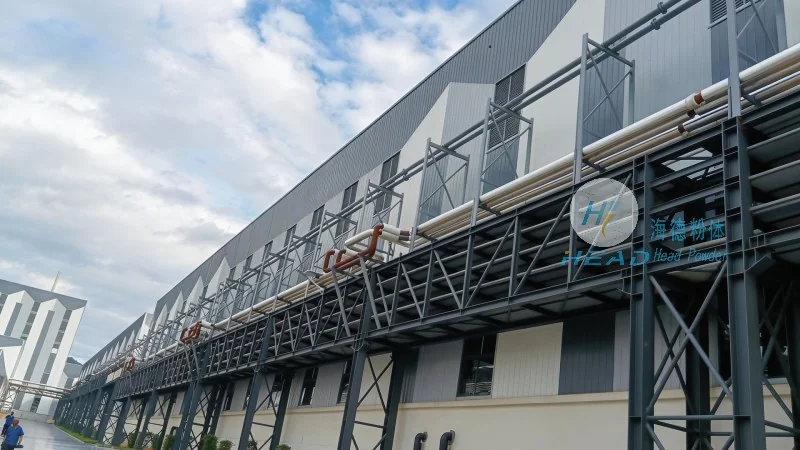
Second, the system's pressure and flow rate are carefully controlled to match the pipeline's length, diameter, and the material's characteristics. The pressure drop along the pipeline is a critical parameter, as it indicates the energy required to move the material and the potential for pressure losses that could lead to system inefficiencies. Designers use pressure drop calculations to select appropriate blower or compressor sizes and pipeline diameters, ensuring that the system operates within its optimal pressure range. Additionally, the pipeline layout, including bends, elbows, and expansion joints, is designed to minimize turbulence and pressure losses, which can otherwise cause particle separation or system instability.
Third, material feed mechanisms play a vital role in maintaining consistent flow rates and preventing blockages. Feeder systems, such as rotary valves, screw feeders, or vibratory feeders, are used to introduce material into the gas stream at a controlled rate. The design of these feeders must account for the material's flow properties, including its angle of repose, cohesion, and bulk density, to ensure smooth and continuous feeding without bridging or clogging. Proper synchronization between the feeder and the gas flow is essential to avoid surges or fluctuations in material delivery, which could impact downstream processes.
HeadPowder Engineering: Expertise in Dilute Phase Material Handling Solutions
Shandong HeadPowder Engineering Co., Ltd., commonly known as HeadPowder, is a leading provider of custom-designed dilute phase material handling systems tailored to meet the specific needs of industrial clients. With a focus on innovation and precision engineering, HeadPowder leverages decades of experience in the field to deliver reliable, efficient, and cost-effective solutions for material transport. The company's team of engineers specializes in understanding the unique challenges of each application, from pharmaceutical powders to cement and chemical granules, and designs systems that optimize performance while minimizing operational costs.
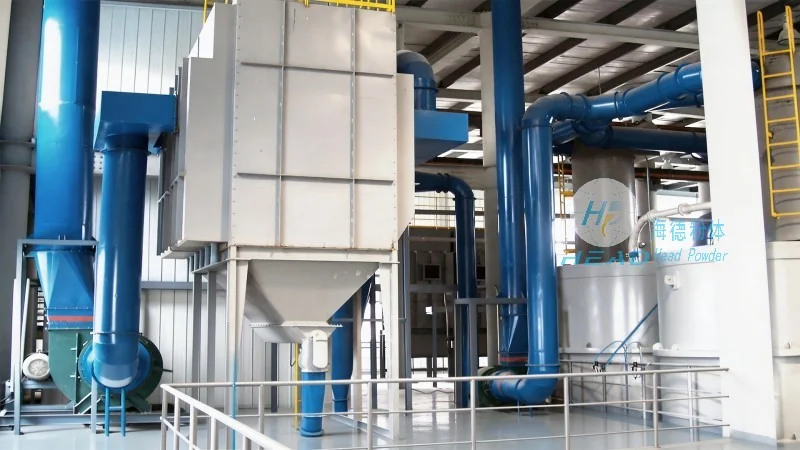
HeadPowder's approach to system design integrates advanced fluid dynamics modeling and computational fluid dynamics (CFD) simulations to predict system behavior under various conditions. This allows for the optimization of gas velocities, pressure drops, and pipeline dimensions before physical construction, reducing the risk of costly errors and ensuring that the final system meets or exceeds client expectations. The company also emphasizes material compatibility, selecting components and materials that are resistant to corrosion, abrasion, and chemical exposure, ensuring long-term durability and reliability.
HeadPowder's facilities in Shandong, China, house state-of-the-art manufacturing and testing capabilities, enabling the company to produce high-quality systems that adhere to international standards. The company's commitment to quality is reflected in its rigorous testing protocols, which include pressure testing, flow rate validation, and material compatibility assessments. Clients benefit from the expertise of HeadPowder's technical support team, which provides ongoing assistance and maintenance services to ensure the system operates at peak efficiency throughout its lifecycle.
Applications and Benefits of Dilute Phase Material Handling Systems
Dilute phase material handling systems find applications across a wide range of industries, including pharmaceuticals, chemicals, food processing, and construction. In the pharmaceutical industry, for example, these systems are used to transport sterile powders and granules, where contamination control and precise dosing are critical. The low solid concentration in the gas stream minimizes the risk of particle agglomeration or cross-contamination, ensuring product quality and regulatory compliance. In the chemical industry, dilute phase systems are employed to move reactive or hazardous materials, where the ability to control flow rates and pressure is essential for safety.
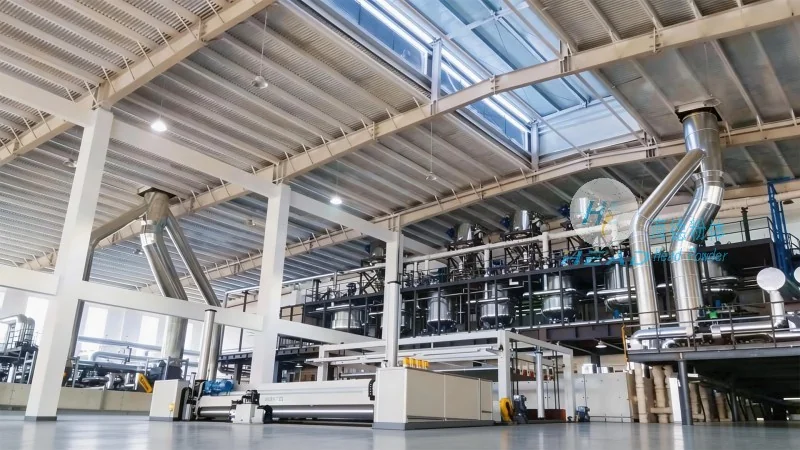
The benefits of dilute phase material handling systems extend beyond just efficient transport. These systems offer advantages such as reduced maintenance costs, as the low solid concentration minimizes wear on components and reduces the frequency of cleaning. Additionally, the compact design of the systems allows for space-saving installations, making them suitable for facilities with limited floor space. The ability to transport materials over long distances without the need for intermediate storage or transfer points also enhances operational efficiency and reduces downtime.
In summary, dilute phase material handling systems represent a sophisticated solution for bulk material transport, governed by precise design principles that ensure optimal performance. With expertise in system design and manufacturing, companies like Shandong HeadPowder Engineering Co., Ltd. play a crucial role in delivering tailored solutions that meet the evolving needs of industrial operations. By understanding the fundamental principles of gas-solid flow and applying advanced engineering techniques, these systems continue to be a cornerstone of efficient material handling in modern industry.