

How to Choose the Right Pneumatic Conveying System for Your Dry Coffee Processing?
For coffee processing facilities, selecting the appropriate pneumatic conveying system is crucial to ensure efficient and reliable material handling of dry coffee beans and other components. The right system not only optimizes production flow but also minimizes operational costs and equipment wear. This guide from Shandong HeadPowder Engineering Co., Ltd. (headpowder) outlines key considerations to help you make an informed decision for your dry coffee processing operation.
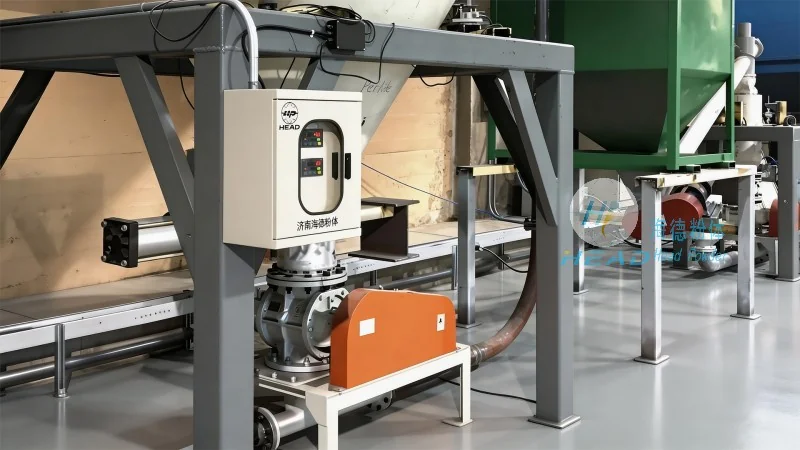
Understanding the Core Requirements of Dry Coffee Processing
Before selecting a pneumatic conveying system, it's essential to understand the specific needs of your dry coffee processing line. Factors such as the type of coffee beans (e.g., Arabica, Robusta), their moisture content, size distribution, and the overall production volume play a significant role in determining the most suitable system. Additionally, the distance between processing stages, the need for dust control, and the desired level of automation will influence your choice. By carefully evaluating these requirements, you can narrow down the options and focus on systems that align with your operational goals.
Types of Pneumatic Conveying Systems for Dry Coffee
There are primarily two types of pneumatic conveying systems used in dry coffee processing: positive pressure and negative pressure systems. Each has its own advantages and is best suited for different scenarios.
Positive pressure systems, also known as pressure conveying, operate by blowing air or other gases into the system to move materials. This method is ideal for applications requiring high conveying distances or when handling abrasive materials. It offers better control over material flow and can handle larger particles more effectively. However, it may require more energy and can be more complex to install and maintain.
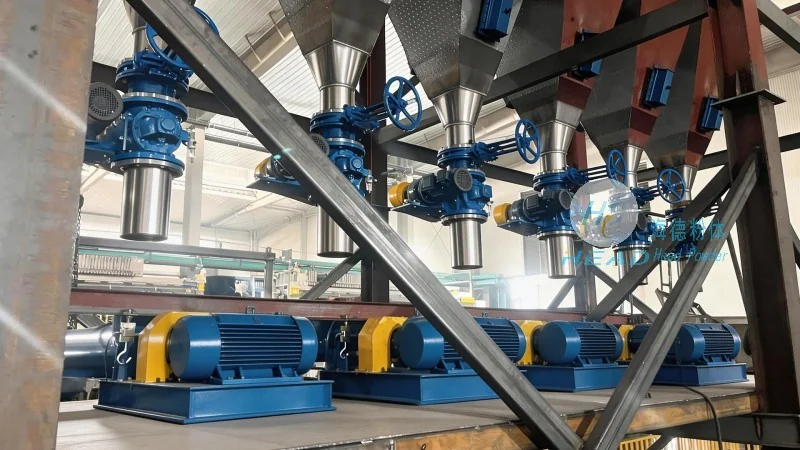
Negative pressure systems, or vacuum conveying, work by creating a vacuum to draw materials into the system. This approach is commonly used for shorter distances and when handling fine or light materials. It is often more energy-efficient for low to medium conveying rates and can be simpler to set up. However, it may not be suitable for very long distances or when dealing with highly abrasive or large particles.
Key Factors to Consider When Choosing a System
Several critical factors should be considered when selecting a pneumatic conveying system for dry coffee processing:
1. Material Characteristics: The physical properties of the coffee beans, such as size, shape, moisture content, and density, directly impact the system's performance. For example, larger or irregularly shaped beans may require systems with larger ducts or specialized components to prevent blockages. Additionally, high moisture content can affect the material's flowability and may necessitate additional drying steps or specialized equipment.
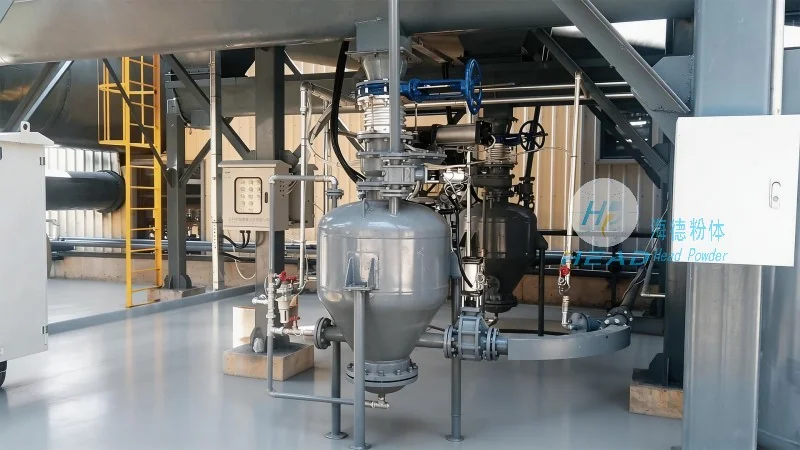
2. Conveying Distance and Layout: The distance between processing stages and the overall layout of the facility will determine the type of system needed. Longer distances may require positive pressure systems with higher air pressure to maintain material flow, while shorter distances can accommodate negative pressure systems. The layout should also consider the need for vertical or horizontal conveying, as this affects the system's design and efficiency.
3. System Capacity and Throughput: The production capacity of your coffee processing facility dictates the required conveying capacity. A system must be able to handle the expected volume of coffee beans and other components without causing bottlenecks or excessive pressure drops. HeadPowder offers customized solutions to match your specific throughput requirements, ensuring smooth and continuous operation.
4. Energy Efficiency and Cost: The long-term operational costs of the system are a significant consideration. While initial investment may vary between system types, energy consumption and maintenance costs over the system's lifespan should be evaluated. Positive pressure systems may have higher energy demands but can offer better performance for certain applications, whereas negative pressure systems may be more cost-effective for lower volumes.
5. Maintenance and Reliability: The ease of maintenance and the reliability of the system are crucial for minimizing downtime and ensuring consistent production. Systems with fewer moving parts or simpler components may require less maintenance, reducing operational costs and improving overall efficiency. HeadPowder's systems are designed with durability and ease of maintenance in mind, using high-quality materials and components to ensure long-term reliability.
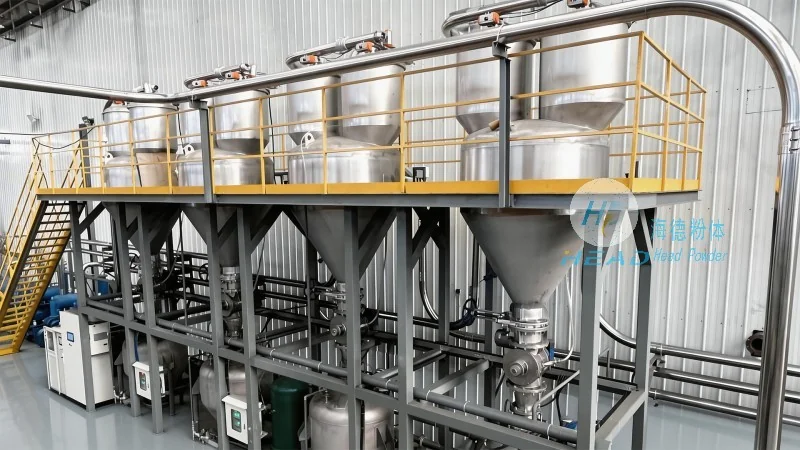
Customization and Expert Guidance from HeadPowder
At Shandong HeadPowder Engineering Co., Ltd., we understand that every coffee processing facility has unique requirements. Our team of experts works closely with clients to assess their specific needs and provide tailored pneumatic conveying solutions. We offer a range of systems, from standard configurations to customized designs, to ensure optimal performance and efficiency.
Our expertise in the coffee processing industry allows us to address common challenges such as material handling, dust control, and system integration. We provide detailed consultations to help you understand the pros and cons of different system types and make an informed decision that aligns with your operational goals and budget.
By choosing a system from HeadPowder, you can benefit from our experience and commitment to quality. Our systems are designed to meet the highest standards of performance, reliability, and efficiency, helping you optimize your dry coffee processing operation and achieve better results.