When it comes to managing the transport of ceramic particles in industrial settings, selecting the appropriate pneumatic conveying system is crucial for efficiency, reliability, and cost-effectiveness. The right system not only ensures smooth material flow but also minimizes downtime and operational risks. This guide will walk you through the key considerations and factors to evaluate when choosing a pneumatic conveying system tailored to your ceramic particle handling needs.
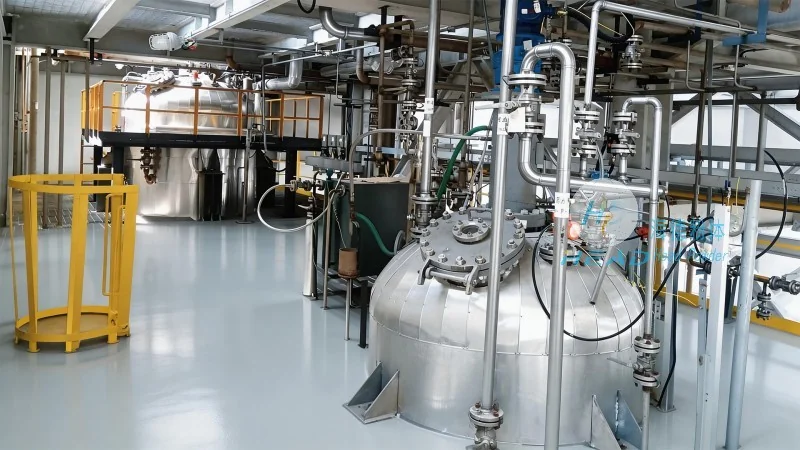
Understanding the Core Requirements of Ceramic Particle Handling
Before diving into system options, it's essential to understand the specific characteristics of ceramic particles and the operational demands of your process. Ceramic materials vary widely in terms of size, density, moisture content, and abrasiveness. These factors directly impact the choice of conveying technology. For instance, fine powders may require systems with higher air velocities to prevent clogging, while larger or more abrasive particles might need robust equipment to withstand wear and tear. Additionally, the volume of material to be transported, the distance over which it needs to travel, and the desired throughput rate are critical parameters that influence system design.
Key Factors to Evaluate in Pneumatic Conveying Systems
Several key factors should be evaluated when selecting a pneumatic conveying system for ceramic particles. The first is the type of conveying principle—whether it's pressure or vacuum-based. Pressure systems are typically used for long-distance or high-volume transport, as they can handle larger distances and higher material loads. Vacuum systems, on the other hand, are ideal for short-distance or low-volume applications, often used for cleaning or transferring materials from multiple sources. The choice between these systems depends on the specific layout of your facility and the nature of the material being handled.
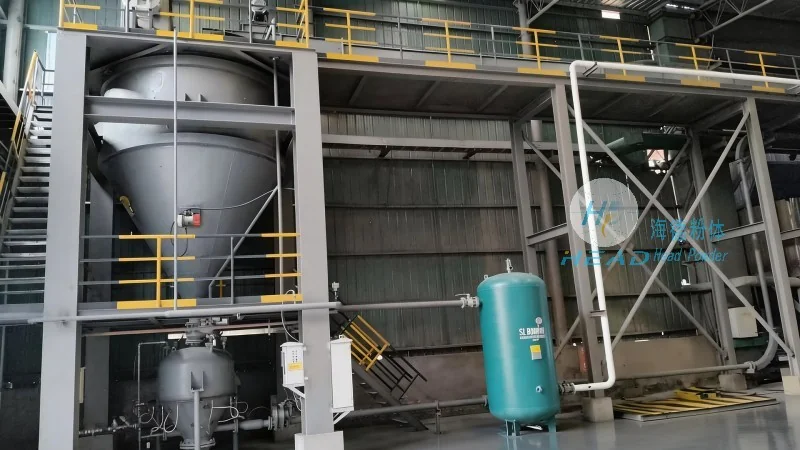
Another critical factor is the system's capacity and scalability. As production needs evolve, the conveying system should be able to accommodate increased material volumes without significant modifications. This involves considering the system's maximum flow rate, pressure capabilities, and the ability to integrate additional components such as feeders, cyclones, or filters. For ceramic applications, where material handling can be intermittent or variable, a system with adjustable flow rates and flexible control options is advantageous.
Material Handling Considerations for Ceramic Particles
Ceramic particles often present unique challenges due to their physical properties. They can be fine and prone to dust formation, which requires effective dust control measures. Many pneumatic conveying systems incorporate dust collection and filtration systems to comply with environmental regulations and maintain a safe working environment. The system's design should also address issues like particle agglomeration or bridging in hoppers and pipelines, which can disrupt flow and lead to blockages. Solutions such as vibration feeders, rotary valves, or air knives can help mitigate these issues and ensure consistent material transport.
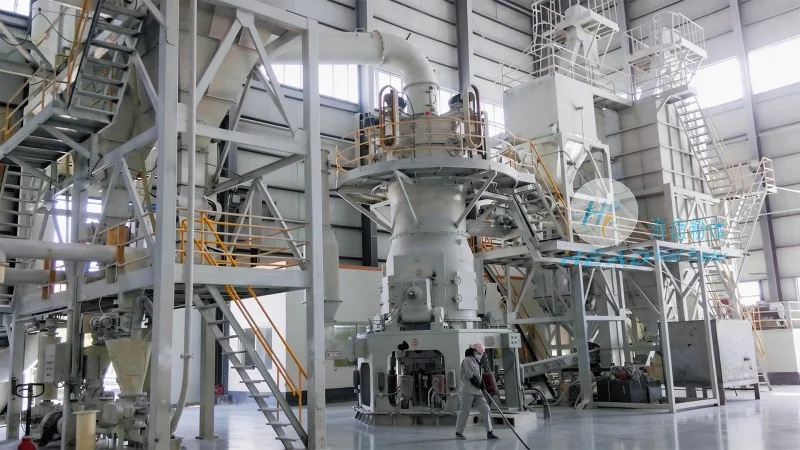
Equipment and Component Selection for Ceramic Applications
The selection of individual components is vital to the overall performance of the pneumatic conveying system. For ceramic particles, which are often abrasive, the choice of materials for pipelines, valves, and other parts is paramount. Stainless steel, high-grade alloys, or specialized coatings are commonly used to prevent wear and extend equipment life. The type of air compressor or vacuum pump also plays a role, as it must provide sufficient pressure or vacuum to move the material efficiently while maintaining energy efficiency. Additionally, the system's control and monitoring capabilities are important for real-time performance tracking and troubleshooting.
Consulting with Industry Experts for Optimal Solutions
Given the complexity of ceramic particle handling and the variety of pneumatic conveying options available, consulting with experienced industry professionals is highly recommended. Companies like Shandong HeadPowder Engineering Co., Ltd., with a focus on specialized engineering solutions, can provide tailored advice based on your specific process requirements. Their expertise in material handling and conveying systems ensures that the chosen solution is not only efficient but also cost-effective and compliant with industry standards. By working closely with such experts, you can avoid common pitfalls and select a system that meets your current needs while allowing for future expansion.




