

Analysis of Cement and Mineral Powder Pneumatic Conveying Technology: Comparison of Positive Pressur
HeadPowder, a leading provider of engineering solutions in China, specializes in advanced pneumatic conveying technologies for the cement and mineral powder industries. With a focus on innovation and efficiency, the company offers comprehensive systems that cater to the unique challenges of transporting fine powders like cement, fly ash, and other mineral products. This article delves into the technical aspects of pneumatic conveying, specifically comparing the positive pressure and negative pressure modes, to help industry professionals understand the best approach for their operations.
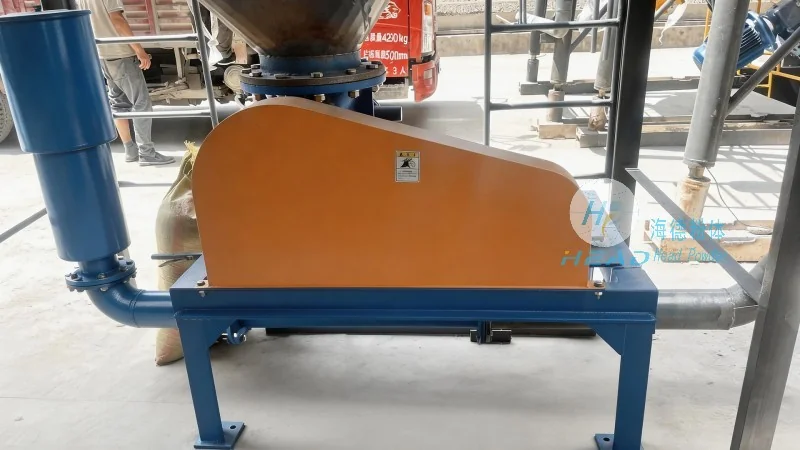
Understanding Pneumatic Conveying: Core Principles
Pneumatic conveying is a method of transporting bulk materials, such as cement and mineral powders, using air or gas as the conveying medium. Unlike mechanical systems that rely on belts, buckets, or screws, pneumatic systems utilize pressure differentials to move materials through pipelines. The technology is widely adopted in the cement industry due to its ability to handle fine, abrasive, and dusty materials with minimal wear and tear on equipment. HeadPowder's expertise lies in designing and implementing these systems that optimize performance while ensuring safety and compliance with industry standards.
Positive Pressure Pneumatic Conveying: Advantages and Applications
Positive pressure systems operate by generating air pressure within the conveying line, pushing the material forward. This mode is particularly effective for long-distance and high-capacity applications. One of the key advantages is the ability to handle abrasive materials without significant wear on the system components. The positive pressure also ensures that the material is continuously moved, reducing the risk of clogging or blockages. HeadPowder's positive pressure systems are designed with robust components, including high-efficiency blowers and durable pipelines, to withstand the harsh conditions of cement and mineral powder transport. These systems are commonly used in large-scale cement plants where the need for consistent and reliable material flow is critical.
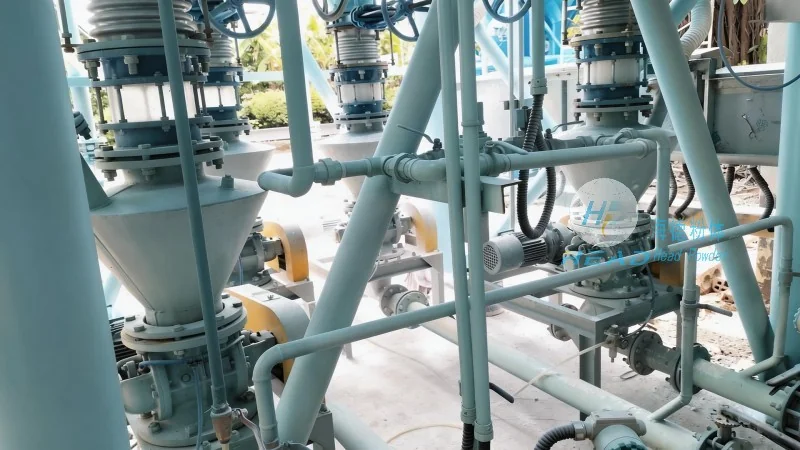
Negative Pressure Pneumatic Conveying: Benefits and Use Cases
Negative pressure systems, on the other hand, create a vacuum in the conveying line, drawing the material into the system. This mode is ideal for applications requiring gentle handling of delicate or sensitive powders, as the lower air velocities reduce the risk of material degradation. Negative pressure systems are also more energy-efficient for shorter distances and lower capacities compared to positive pressure systems. HeadPowder's negative pressure solutions incorporate advanced vacuum pumps and filtration systems to maintain a clean and efficient operation. These systems are often used in applications where the material needs to be transported from multiple sources or where the receiving point is at a lower elevation than the source.
Comparative Analysis: Positive vs. Negative Pressure Conveying
When deciding between positive and negative pressure pneumatic conveying systems, several factors must be considered. The primary considerations include the distance of the material transport, the capacity required, the nature of the material (e.g., abrasive, fine, or sensitive), and the available space for equipment installation. Positive pressure systems are generally more suitable for long-distance and high-capacity applications, offering higher throughput and better control over material flow. However, they may require more energy and have higher maintenance costs due to the higher air pressures involved. Negative pressure systems, while more energy-efficient for shorter distances, may be limited in capacity and are better suited for applications requiring gentle handling of sensitive materials. HeadPowder's engineering team provides tailored solutions by evaluating these factors and recommending the most appropriate mode for each client's specific needs.
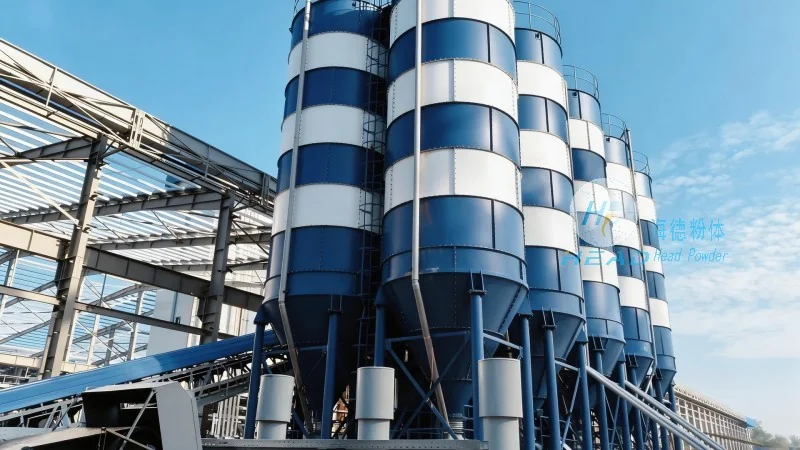
HeadPowder's Expertise in Pneumatic Conveying Technology
As a leading manufacturer and supplier of pneumatic conveying systems, HeadPowder, based in Shandong, China, leverages decades of experience to deliver cutting-edge solutions for the cement and mineral powder industries. The company's commitment to quality and innovation is reflected in its state-of-the-art equipment and comprehensive service offerings. HeadPowder's engineers work closely with clients to understand their operational requirements, ensuring that the designed systems meet all performance, safety, and regulatory standards. The company's positive pressure and negative pressure systems are designed to maximize efficiency, minimize downtime, and reduce operational costs, making them a preferred choice for businesses looking to enhance their material handling capabilities.
Conclusion: Choosing the Right Pneumatic Conveying Mode
Both positive and negative pressure pneumatic conveying systems offer unique advantages and are suitable for different applications. The choice between the two depends on the specific requirements of the material handling process. Positive pressure systems are ideal for high-capacity, long-distance transport of abrasive materials, while negative pressure systems are better suited for gentle handling of sensitive powders over shorter distances. HeadPowder's expertise in designing and implementing these systems ensures that clients receive the most appropriate solution for their needs. By leveraging advanced technology and a deep understanding of the industry, HeadPowder continues to set the standard for pneumatic conveying solutions in the cement and mineral powder sectors.