

What is Glass Bead Material Handling? And What Are Its Design Principles?
When discussing material handling in industrial applications, glass bead material handling stands out as a specialized and efficient method for transporting small, spherical particles. This technology is widely used in various industries, including manufacturing, construction, and chemical processing, where precise control over particle movement is crucial. Understanding the fundamentals of glass bead material handling and its underlying design principles is essential for optimizing operational efficiency and ensuring product quality.
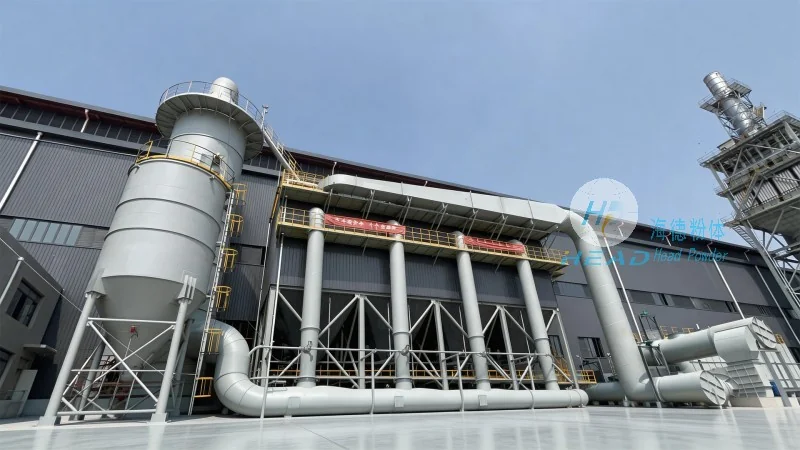
Introduction to Glass Bead Material Handling
Glass bead material handling refers to the process of transporting and managing glass beads, which are small, spherical particles typically ranging from 0.1 to 5 millimeters in diameter. These beads are often used as fillers, abrasives, or in other industrial applications due to their uniform size, high hardness, and chemical inertness. The primary goal of glass bead material handling is to move these beads from one location to another within a production facility or processing plant with minimal loss, contamination, and energy consumption.
Key Components of Glass Bead Material Handling Systems
Effective glass bead material handling systems consist of several critical components that work in tandem to ensure smooth operation. These components include feeders, conveyors, storage bins, and control systems. Each component plays a vital role in the overall functionality of the system.
Feeders are responsible for uniformly distributing the glass beads into the conveyor system. They ensure that the beads are fed at a consistent rate, preventing overloading or underloading of the conveyor. Common types of feeders used in glass bead material handling include vibratory feeders, screw feeders, and belt feeders, each designed to handle specific bead sizes and flow characteristics.
Conveyors are the core of the material handling system, responsible for transporting the glass beads from the feeder to the storage bin or processing equipment. Conveyors can be categorized into several types, such as belt conveyors, screw conveyors, and pneumatic conveyors. The choice of conveyor type depends on factors like bead size, weight, and the required distance and speed of transport.
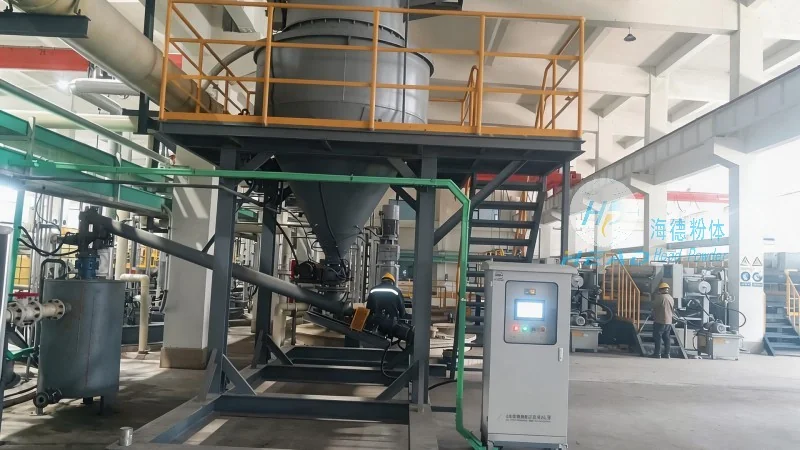
Storage bins are used to temporarily hold the glass beads before they are processed or shipped. These bins are typically made of durable materials like metal or plastic and are designed to prevent contamination and maintain bead quality. The design of the storage bin, including its shape and internal lining, is crucial for preventing bead degradation and ensuring easy discharge.
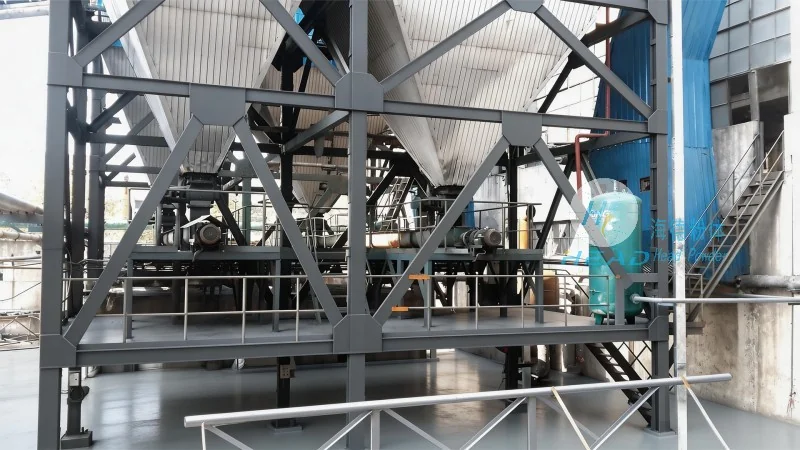
Control systems are essential for monitoring and regulating the operation of the glass bead material handling system. These systems use sensors and automation to ensure that the feeder, conveyor, and storage bin operate in sync. Control systems can also detect and alert operators to any issues, such as blockages or uneven flow, allowing for quick intervention and minimizing downtime.
Design Principles for Glass Bead Material Handling
The design of glass bead material handling systems follows several key principles aimed at maximizing efficiency, safety, and reliability. These principles include uniform flow, minimal friction, and proper containment.
Uniform flow is a critical design principle, as it ensures that the glass beads are transported at a consistent rate without causing blockages or uneven distribution. Achieving uniform flow involves careful selection of feeder and conveyor components, as well as proper system sizing. For example, the feeder's speed and the conveyor's inclination are adjusted to maintain a steady flow of beads.
Minimal friction is another important principle, as excessive friction can cause bead damage or wear on the system components. The design of the conveyor and storage bin liners, as well as the use of lubricants or anti-friction materials, helps to reduce friction and extend the lifespan of the equipment. Additionally, the smoothness of the conveyor surface is optimized to prevent bead abrasion and maintain bead integrity.
Proper containment is essential for maintaining bead quality and preventing environmental contamination. The entire material handling system is designed to keep the glass beads within the system, preventing spillage or leakage. This includes the use of sealed containers, proper sealing of conveyor joints, and regular maintenance of the system to ensure that all components are functioning correctly.
Applications of Glass Bead Material Handling
Glass bead material handling is widely used in various industrial applications, where the uniform size and properties of the beads are advantageous. Some common applications include:
1. **Manufacturing of Coatings and Paints**: Glass beads are used as fillers in coatings and paints to improve their durability and appearance. The material handling system ensures that the beads are evenly mixed with the base material, resulting in a consistent product.
2. **Construction and Road Construction**: Glass beads are used as abrasives in road marking paints and as fillers in concrete. The efficient material handling system ensures that the beads are delivered to the construction site in the correct quantity and quality.
3. **Chemical Processing**: Glass beads are used as catalysts or in filtration processes. The material handling system ensures that the beads are transported safely and without contamination, maintaining the integrity of the chemical processes.
4. **Electronics Manufacturing**: Glass beads are used as insulators or in the production of electronic components. The precise material handling system ensures that the beads are delivered to the manufacturing line without damage, contributing to the quality of the final products.

Benefits of Glass Bead Material Handling
Implementing an effective glass bead material handling system offers several benefits to industrial operations. These benefits include improved efficiency, reduced costs, and enhanced product quality.
Efficiency is a primary benefit, as the system minimizes downtime and maximizes throughput. By ensuring uniform flow and proper control, the system reduces the need for manual intervention and labor, leading to higher productivity.
Cost reduction is another significant advantage. The efficient design of the system reduces energy consumption and maintenance costs. Proper containment also minimizes material loss, saving on raw material expenses.
Enhanced product quality is achieved through the consistent handling of glass beads. The system ensures that the beads are not damaged or contaminated, resulting in a higher quality product that meets industry standards. This is particularly important in applications where bead integrity is critical, such as in coatings and electronics manufacturing.
Conclusion
Glass bead material handling is a specialized and efficient method for transporting small, spherical particles in various industrial applications. The design principles, including uniform flow, minimal friction, and proper containment, are crucial for optimizing the performance of the system. By understanding these principles and implementing an effective material handling system, industrial operations can improve efficiency, reduce costs, and enhance product quality. Companies like Shandong HeadPowder Engineering Co., Ltd., based in China, specialize in providing advanced material handling solutions tailored to the specific needs of their clients, ensuring that glass bead material handling systems are designed and operated to meet the highest standards of performance and reliability.