

Choosing Between Positive and Negative Pressure for Styrene Transport: How to Distinguish?
When it comes to transporting styrene, selecting the appropriate pressure system is crucial for ensuring efficiency, safety, and cost-effectiveness. Two primary methods are commonly considered: positive pressure and negative pressure. Understanding the differences between these approaches is essential for making an informed decision. This article will explore the characteristics of each system, the factors influencing the choice, and practical guidelines for distinguishing between positive and negative pressure in styrene transport applications.
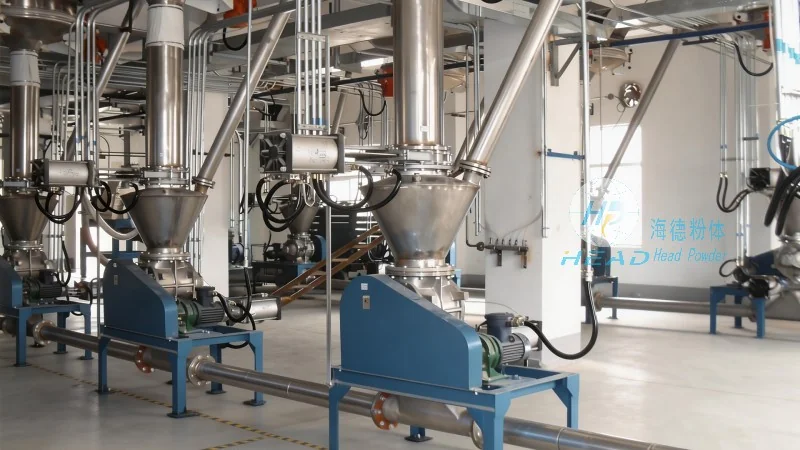
Introduction to Pressure Systems in Styrene Transport
In the context of material handling, pressure systems are categorized based on the pressure relative to atmospheric conditions. Positive pressure systems operate by forcing material through a pipeline using a pressure greater than ambient air pressure. Conversely, negative pressure systems rely on creating a vacuum or lower pressure than ambient to draw material into the system. For styrene, a volatile and potentially hazardous chemical, the choice of pressure system impacts not only operational performance but also safety protocols and equipment requirements.
Positive Pressure Transport: Advantages and Considerations
Positive pressure transport involves using pumps or blowers to maintain a pressure higher than the surrounding environment. This method is often preferred for its ability to handle viscous or abrasive materials, as the higher pressure helps maintain flow rates and prevent blockages. In the case of styrene, which can be sensitive to temperature and pressure fluctuations, positive pressure systems can provide consistent flow and protect against contamination from external air. However, these systems require robust sealing and filtration to prevent the release of styrene vapors into the environment, which is a critical safety consideration.
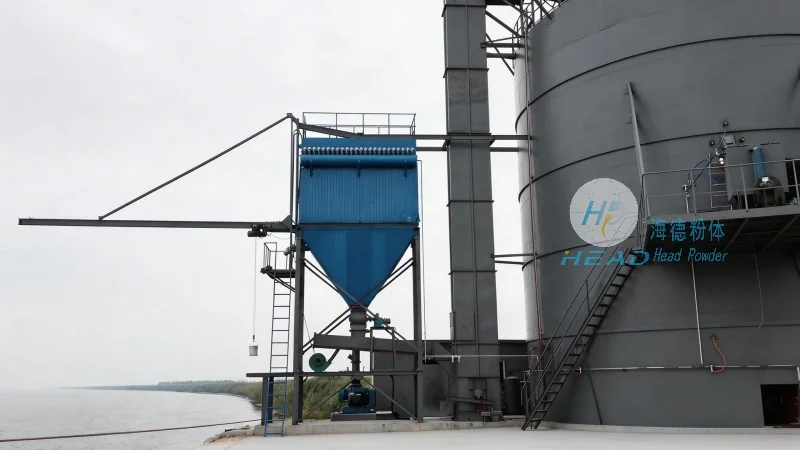
Negative Pressure Transport: Mechanisms and Benefits
Negative pressure transport, also known as vacuum or suction systems, operates by creating a lower pressure in the pipeline compared to the surrounding air. This approach is typically used for materials that are less abrasive or for applications where minimizing mechanical stress is important. For styrene, negative pressure systems can be advantageous in reducing the risk of pressure-related leaks and in maintaining a controlled environment for sensitive processes. However, they may be less effective for handling high-viscosity or particulate-laden styrene, as the suction force might not be sufficient to maintain flow.
Distinguishing Between Positive and Negative Pressure Systems
Identifying whether a system operates under positive or negative pressure can be done through several key indicators. First, check the pressure readings at the inlet and outlet of the system. Positive pressure systems will show higher pressure at the inlet than the ambient air pressure, while negative pressure systems will display lower pressure. Second, observe the direction of material flow: positive pressure pushes material forward, whereas negative pressure pulls it. Third, examine the equipment used—positive pressure typically involves blowers or positive displacement pumps, while negative pressure relies on vacuum pumps or suction fans. For styrene transport, additional factors such as the material's volatility and the need for containment should also be considered when making the distinction.
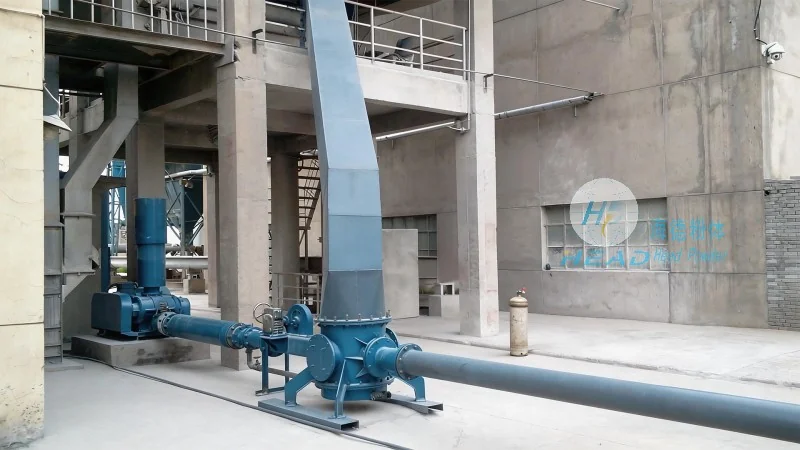
Practical Applications and Industry Standards
The choice between positive and negative pressure transport for styrene often depends on the specific application and operational environment. For example, in large-scale industrial plants, positive pressure systems may be preferred for their reliability and ability to handle high flow rates, while negative pressure might be used in smaller, more controlled settings where minimizing energy consumption is a priority. Industry standards, such as those from the American Petroleum Institute (API) or the International Organization for Standardization (ISO), provide guidelines for selecting the appropriate pressure system based on material properties and safety requirements. Compliance with these standards ensures that the chosen method aligns with best practices and regulatory expectations.
Conclusion: Making the Right Choice for Styrene Transport
Ultimately, the decision between positive and negative pressure for styrene transport requires a careful evaluation of operational needs, safety considerations, and cost implications. Positive pressure systems offer robustness and consistent flow, while negative pressure systems provide a safer, lower-energy alternative. By understanding the fundamental differences and applying practical guidelines for distinction, companies can select the most suitable pressure system for their styrene handling needs. As the chemical industry continues to prioritize efficiency and safety, the ability to differentiate between these pressure systems will remain a critical skill for engineers and operators alike.