

Choosing Between Positive Pressure and Negative Pressure for Calcium Phosphate Transport: How to Dis
When handling calcium phosphate materials, selecting the appropriate transport method is crucial for efficiency and safety. Two primary approaches are widely used: positive pressure and negative pressure systems. Understanding the differences between these methods and how to choose the right one for your application is essential for optimizing operations. This article will explore the characteristics of each system, key factors to consider, and practical guidelines for distinguishing between positive and negative pressure transport for calcium phosphate.
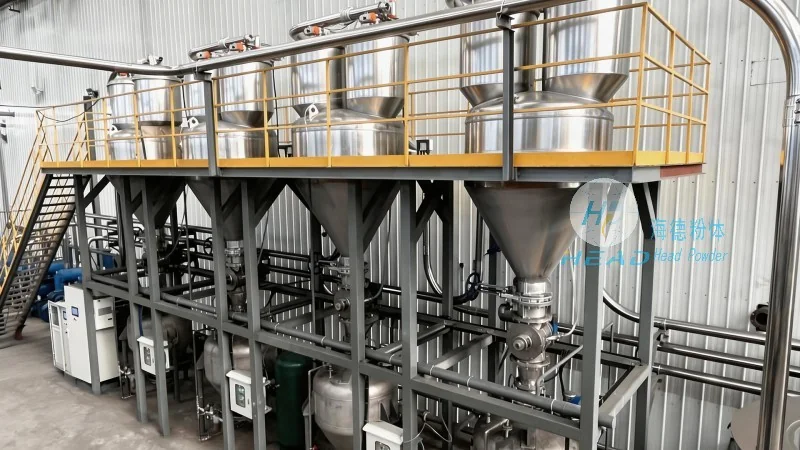
Understanding Positive Pressure Transport
Positive pressure transport systems operate by forcing material through a pipeline using compressed air or gas. This method ensures a consistent flow rate and can handle materials with higher solids content or abrasive properties. The primary advantage of positive pressure is its ability to maintain a continuous flow, even in vertical or inclined pipelines, by providing constant pressure to push the material forward. This is particularly beneficial for calcium phosphate powders that may tend to settle or agglomerate, as the pressure helps maintain particle suspension and prevents blockages. The system typically includes a blower or compressor at the source, which supplies the necessary air pressure to move the material. Positive pressure transport is often used in industrial settings where high throughput and reliable material transfer are required.
Understanding Negative Pressure Transport
Negative pressure transport, also known as suction or vacuum systems, operates by creating a lower pressure environment at the discharge end of the pipeline, drawing material from the source. This method relies on a vacuum pump to pull the material through the pipeline. The key advantage of negative pressure is its ability to handle materials that are sensitive to high pressure or that require a gentler handling approach. It is particularly suitable for materials that are prone to dust generation or that need to be transported in a closed system to prevent contamination. Negative pressure systems are often more energy-efficient for shorter distances and lower material volumes, as they do not require the power of a compressor. However, they may be less effective for long-distance or high-volume transport due to the limitations of vacuum pressure and potential for air leakage.
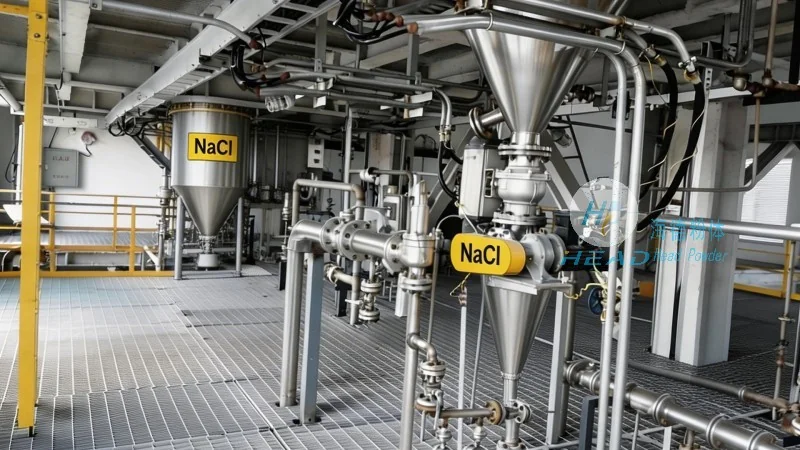
Distinguishing Between Positive and Negative Pressure Systems
Choosing between positive and negative pressure transport for calcium phosphate depends on several factors, including the material characteristics, pipeline length, and operational requirements. Here are some key points to consider when making the distinction:
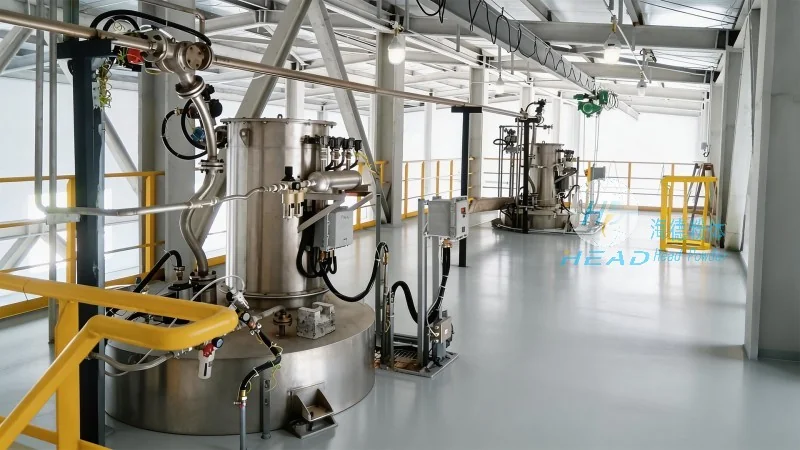
- Material Properties: If the calcium phosphate is fine, dusty, or prone to agglomeration, positive pressure may be more effective due to its ability to maintain particle suspension and prevent blockages. For materials that are more cohesive or sensitive to pressure, negative pressure might be preferred to avoid damage or degradation.
- Pipeline Length and Elevation: Positive pressure is generally more suitable for longer pipelines or those with significant vertical elevation changes, as it can maintain sufficient pressure to overcome gravity and friction. Negative pressure is better for shorter distances or horizontal pipelines where the vacuum can effectively draw material without excessive energy consumption.
- Throughput and Volume: High-volume applications often benefit from positive pressure systems, which can handle larger quantities with consistent flow rates. Negative pressure may be more appropriate for lower-volume or intermittent transport needs.
- Energy Efficiency: Negative pressure systems can be more energy-efficient for short distances and lower material loads, as they do not require the power of a compressor. Positive pressure systems may consume more energy but offer greater control over flow rates and pressure.
- System Complexity and Maintenance: Positive pressure systems may require more maintenance for the compressor and air filtration components, while negative pressure systems need regular checks for vacuum pump performance and pipeline integrity to prevent air leaks.
Practical Guidelines for Selection
When deciding between positive and negative pressure transport for calcium phosphate, consider the following practical guidelines:
- Assess Material Behavior: Conduct tests to evaluate how the calcium phosphate behaves under different pressure conditions. Observe whether it tends to settle, agglomerate, or generate dust, as this will indicate the most suitable transport method.
- Measure Pipeline Requirements: Determine the length, elevation changes, and diameter of the pipeline. Longer or vertically inclined pipelines typically require positive pressure to ensure reliable material transfer.
- Calculate Throughput Needs: Estimate the required material flow rate and volume. High throughput demands may necessitate positive pressure systems to maintain consistent flow.
- Evaluate Energy and Cost: Compare the operational costs of positive and negative pressure systems, including energy consumption, equipment maintenance, and initial investment. Choose the option that offers the best balance of performance and cost for your specific application.
- Consult Industry Experts: For complex or critical applications, consult with engineering experts from companies like Shandong HeadPowder Engineering Co., Ltd., which specializes in material handling solutions. Their expertise can help identify the optimal transport method based on your unique operational needs.
Conclusion
Choosing between positive and negative pressure for calcium phosphate transport requires a careful evaluation of material properties, pipeline characteristics, and operational goals. Positive pressure systems offer reliable, high-throughput performance, especially for challenging materials or long-distance transport. Negative pressure systems provide a gentler, more energy-efficient alternative for shorter distances or sensitive materials. By understanding the distinctions and considering the practical guidelines outlined above, you can select the most appropriate transport method to ensure efficient and safe handling of calcium phosphate materials. Shandong HeadPowder Engineering Co., Ltd., with its expertise in material handling solutions, can provide tailored advice and systems to meet your specific transport needs in China.