Shandong HeadPowder Engineering Co., Ltd. specializes in providing advanced material handling solutions, including the hydroxide cobalt material pneumatic conveying system. This system is designed to efficiently transport hydroxide cobalt, a critical component in battery manufacturing and other industrial applications. The system combines innovative engineering with robust technology to ensure reliable and efficient material movement, meeting the demands of modern industrial processes.
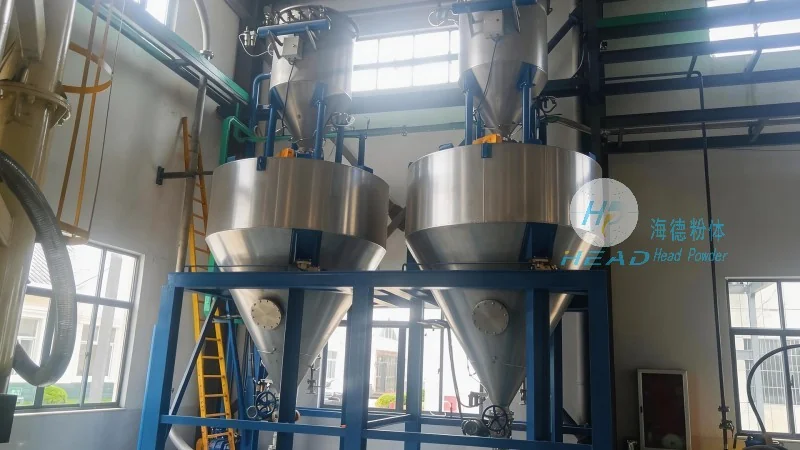
Working Principle of the Hydroxide Cobalt Material Pneumatic Conveying System
The hydroxide cobalt material pneumatic conveying system operates on the principle of air-based transport, utilizing a combination of positive and negative pressure to move material through a network of pipes. The system typically includes a hopper for material storage, a feeder to control the flow rate, and a conveying line that transports the material to the destination. The process begins with the material being fed into the hopper, where it is then drawn into the conveying line by the action of the air flow. The air, often under pressure, creates a vacuum or pressure differential that propels the material forward. This method allows for the continuous and controlled movement of hydroxide cobalt, ensuring minimal material loss and high throughput. The system can be configured for both dilute-phase and dense-phase conveying, depending on the specific requirements of the application. Dilute-phase conveying uses higher air velocities to move material in a suspended state, while dense-phase conveying uses lower velocities to move material in a more compacted form, reducing the risk of material degradation and blockages.
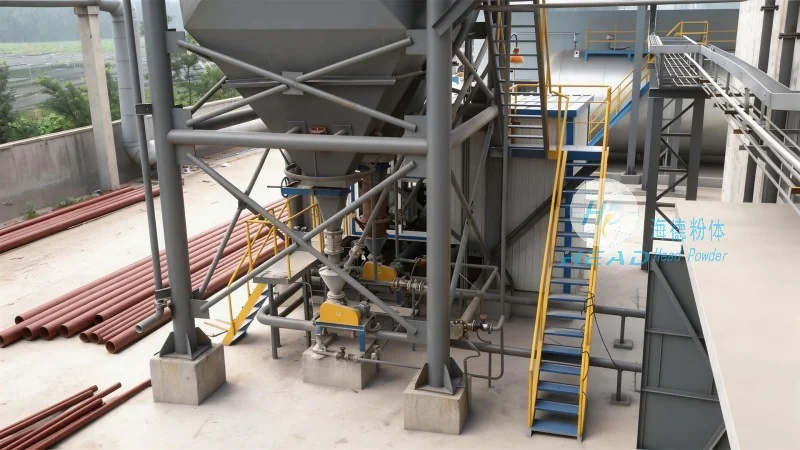
Key Features of the Hydroxide Cobalt Material Pneumatic Conveying System
The hydroxide cobalt material pneumatic conveying system from Shandong HeadPowder Engineering Co., Ltd. offers several key features that enhance its performance and reliability. First, the system is designed for high efficiency, with optimized air flow and material feed rates to maximize throughput while minimizing energy consumption. The use of advanced control systems allows for precise regulation of the conveying process, ensuring consistent material delivery to downstream processes. Second, the system is highly flexible, capable of handling various particle sizes and moisture contents of hydroxide cobalt. This flexibility makes it suitable for a wide range of industrial applications, from battery production to chemical processing. Third, the system is built for durability and low maintenance, with robust components that can withstand the abrasive nature of hydroxide cobalt particles. The use of high-quality materials and engineering ensures long service life and reduced downtime. Fourth, the system is equipped with safety features, including pressure relief valves and emergency shut-off mechanisms, to protect against over-pressurization and other hazards. These features comply with industry safety standards and provide peace of mind to operators. Additionally, the system is designed for easy integration into existing production lines, with modular components that can be customized to fit specific space and operational constraints.
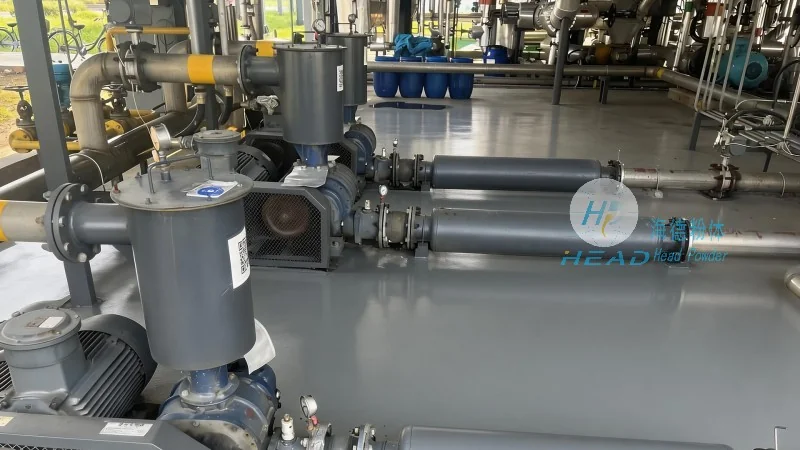
Advantages in Material Handling for Hydroxide Cobalt Production
Implementing the hydroxide cobalt material pneumatic conveying system offers significant advantages in material handling for industrial applications. One of the primary benefits is the reduction in material handling time and labor costs. By automating the transport of hydroxide cobalt, the system eliminates the need for manual loading and unloading, which can be time-consuming and hazardous. This automation also improves the safety of the workplace by reducing the risk of accidents associated with manual material handling. Another advantage is the improved material quality and consistency. The system ensures that hydroxide cobalt is transported in a controlled manner, minimizing the risk of contamination or degradation. This is particularly important for battery-grade hydroxide cobalt, where purity and particle size distribution are critical. The system also helps in maintaining a clean and organized production environment, as the material is conveyed through enclosed pipes, preventing dust and debris from spreading. Furthermore, the system enhances the overall efficiency of the production process by reducing bottlenecks and improving the flow of materials. This leads to increased productivity and lower operational costs. The system's ability to handle high volumes of material at a consistent rate ensures that downstream processes, such as mixing and processing, can operate smoothly without interruptions. This reliability is crucial for maintaining production schedules and meeting customer demands. Finally, the system contributes to environmental sustainability by reducing the need for manual handling and minimizing material loss during transport. The enclosed system also helps in controlling dust emissions, contributing to a cleaner working environment.




