

Working Principle and Features of a Nanoparticle Calcium Carbonate Material Pneumatic Conveying Syst
HeadPowder, a leading engineering solutions provider based in Shandong, China, specializes in the design and implementation of advanced pneumatic conveying systems for various industrial applications. This article delves into the working principle and key features of a nanoparticle calcium carbonate material pneumatic conveying system, highlighting how such systems enhance material handling efficiency and operational reliability.
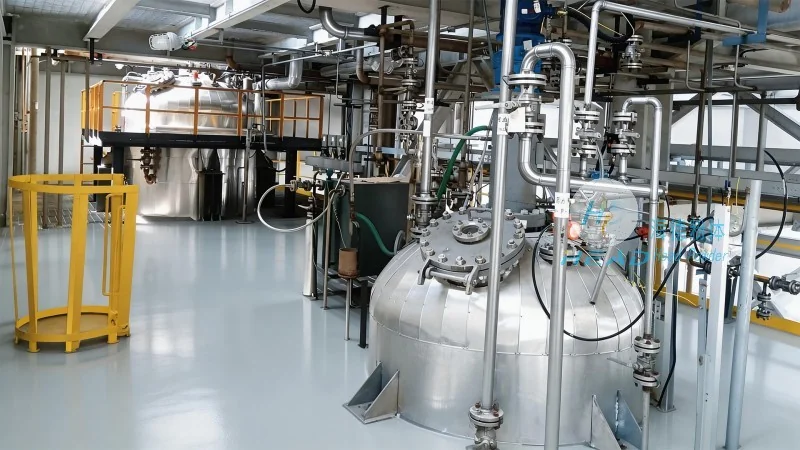
Understanding the Pneumatic Conveying System for Nanoparticle Calcium Carbonate
The nanoparticle calcium carbonate material pneumatic conveying system is engineered to transport fine powders like calcium carbonate with high precision and minimal loss. At its core, the system operates on the principle of using compressed air or other gases to move material through a pipeline network. The process begins with the material being fed into a hopper or feeder, where it is then introduced into the conveying line. Compressed air is introduced at strategic points along the pipeline, creating a flow that propels the particles forward. This method is particularly effective for handling materials that are prone to caking or agglomeration, as the air flow maintains particle separation and prevents blockages.
Key Working Principles of the System
1. Air-Driven Conveyance: The primary mechanism involves the generation of a high-velocity air stream that entrains the calcium carbonate particles. The air velocity is carefully controlled to ensure that the particles are fully suspended without causing excessive wear on the system components. This is achieved through the use of appropriate air pressure and flow rate settings, which are optimized based on the particle size, density, and moisture content of the material.
2. Pressure Drop Management: The system incorporates pressure sensors and control valves to monitor and regulate the pressure drop along the conveying line. By maintaining an optimal pressure gradient, the system ensures consistent material flow and prevents backflow or stagnation. This is crucial for maintaining the integrity of the material during transport, especially for sensitive nanoparticles that could be damaged by mechanical stress.
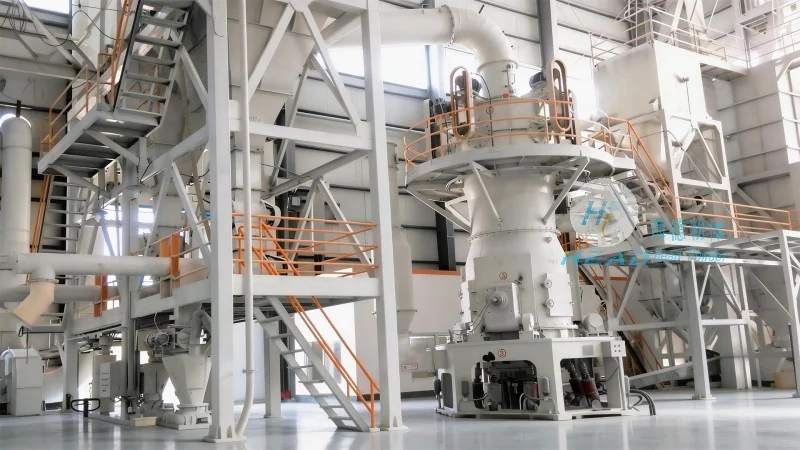
3. Material Separation and Cleaning: The design includes features such as cyclone separators and filter bags to separate the conveyed material from the air stream. These components are essential for maintaining air quality and preventing dust accumulation in the system. The separated calcium carbonate is collected in a receiving hopper, while the cleaned air is discharged back into the environment or recirculated, depending on the system configuration.
Distinctive Features of the Nanoparticle Calcium Carbonate Pneumatic Conveying System
1. High Efficiency and Low Maintenance: The system is designed with durable materials and components that are resistant to corrosion and abrasion, ensuring long-term operational efficiency. The use of air-driven conveyance reduces the need for mechanical parts like belts or screws, minimizing maintenance requirements and operational downtime. This results in lower overall maintenance costs and higher productivity for industrial applications.
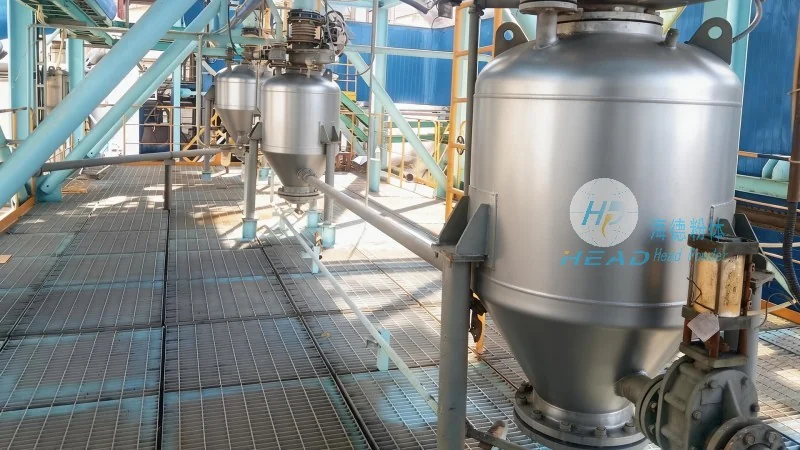
2. Customizable Design for Specific Applications: HeadPowder offers tailored solutions that can be adapted to the unique requirements of different industrial processes. The system can be configured with varying air pressure levels, pipeline diameters, and material feed rates to suit specific production needs. This flexibility allows manufacturers to optimize the conveying process for their particular calcium carbonate application, whether it involves bulk handling or precise dosing.
3. Environmental and Safety Compliance: The system incorporates features that ensure compliance with environmental and safety regulations. The inclusion of dust collection and filtration systems helps in maintaining air quality and reducing the risk of dust explosions. Additionally, the design incorporates safety valves and pressure relief mechanisms to prevent over-pressurization and ensure safe operation in industrial settings.
Benefits of Implementing a Pneumatic Conveying System for Nanoparticle Calcium Carbonate
Adopting a pneumatic conveying system for nanoparticle calcium carbonate offers several advantages that enhance overall operational performance. These include improved material handling efficiency, reduced material loss and contamination, and enhanced process control. The system also contributes to a cleaner working environment by minimizing dust exposure and ensuring proper air filtration. For manufacturers dealing with calcium carbonate in various forms, such as for use in plastics, coatings, or pharmaceuticals, this technology provides a reliable and efficient solution for material transport.