

Working Principle and Characteristics of PVC Material Pneumatic Conveying Systems
For industries dealing with polyvinyl chloride (PVC) materials, efficient and reliable material handling is crucial. Pneumatic conveying systems offer a solution that addresses the unique challenges associated with transporting PVC powders, granules, or pellets. This article explores the working principle and key characteristics of such systems, providing insights into their functionality and benefits.
Understanding the Working Principle of PVC Pneumatic Conveying Systems
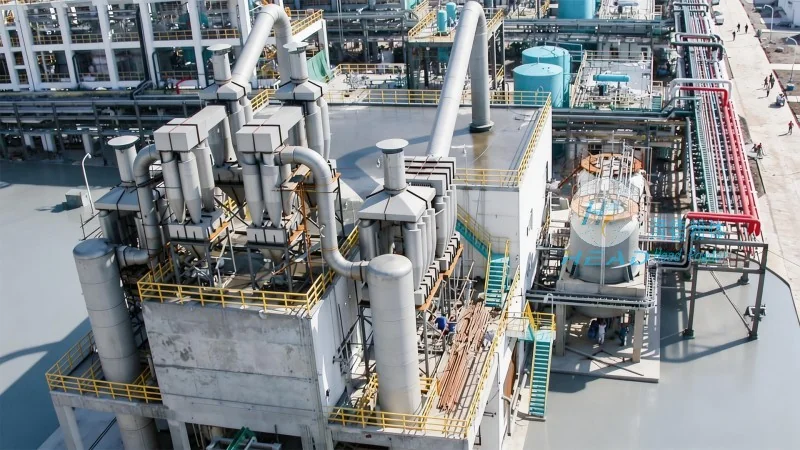
The core of a PVC material pneumatic conveying system lies in its ability to use air or gas as the conveying medium. The system typically consists of a material feed hopper, a conveying line (often equipped with valves and bends), and a discharge point. The process begins when the PVC material is introduced into the hopper. A fan or blower generates the necessary air pressure, which then pulls the material particles into the conveying line. The air flow carries the material through the system, ensuring it reaches the desired destination. The system may use different types of air flow, such as positive pressure (where air is forced into the system) or negative pressure (where air is drawn out), depending on the specific application and material characteristics.
Key Characteristics of PVC Material Pneumatic Conveying Systems
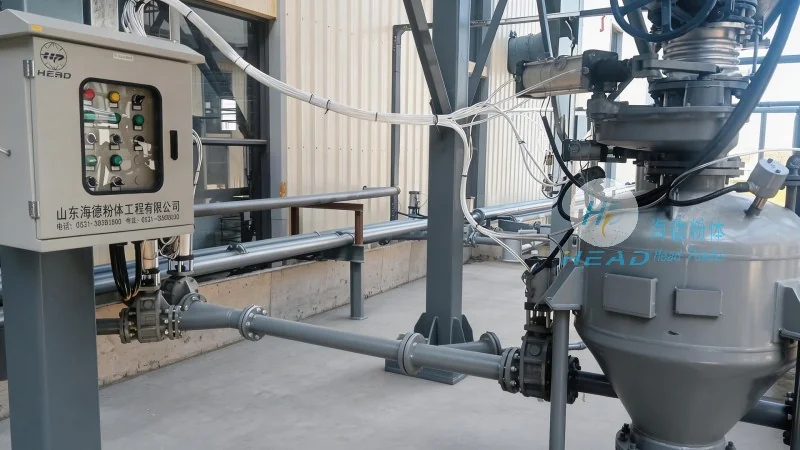
Several distinct characteristics define the performance and suitability of PVC material pneumatic conveying systems. First, these systems are highly efficient in terms of material transport speed and distance. They can handle long distances and multiple transfer points without significant loss of material. Second, they offer excellent control over the material flow, allowing for precise dosing and regulation. This is particularly important for processes that require consistent material input. Third, the systems are designed to minimize material degradation and contamination. The enclosed conveying path prevents exposure to external elements, ensuring the PVC material remains in its original state. Additionally, the systems are relatively compact and can be integrated into existing production lines, making them a space-efficient solution for many industrial applications.
Company Profile: Shandong HeadPowder Engineering Co., Ltd.
HeadPowder, a leading engineering company based in Shandong, China, specializes in the design, manufacturing, and installation of pneumatic conveying systems for various industrial sectors. With years of experience in the field, the company has developed a reputation for delivering high-quality, customized solutions tailored to the specific needs of clients. The company’s expertise in material handling technology ensures that their systems are reliable, efficient, and compliant with industry standards. HeadPowder’s commitment to innovation and customer satisfaction has made them a trusted partner for businesses seeking advanced material transport solutions.
Conclusion
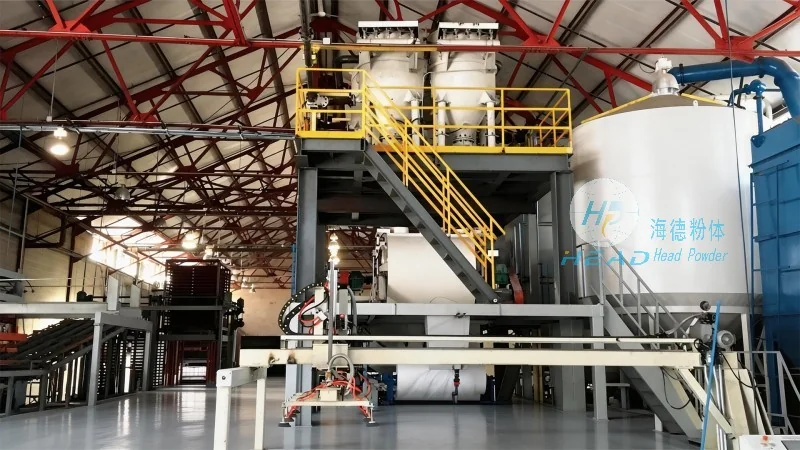
PVC material pneumatic conveying systems represent a sophisticated approach to material handling, combining efficiency, control, and reliability. By understanding their working principles and characteristics, industries can make informed decisions about implementing such systems to enhance their operational capabilities. With companies like Shandong HeadPowder Engineering Co., Ltd. providing expert solutions, businesses can leverage the benefits of pneumatic conveying to improve productivity and maintain the quality of their PVC materials throughout the transport process.