

Working Principle and Features of Pneumatic Conveying Systems for Metal Particle Materials
HeadPowder, a leading provider of industrial material handling solutions, specializes in the design and implementation of pneumatic conveying systems tailored for metal particle materials. These systems are essential in various industrial applications, offering efficient and reliable methods for transporting metal powders, granules, and other particulate materials. Understanding the working principle and key features of such systems is crucial for optimizing material handling processes in manufacturing and processing industries.
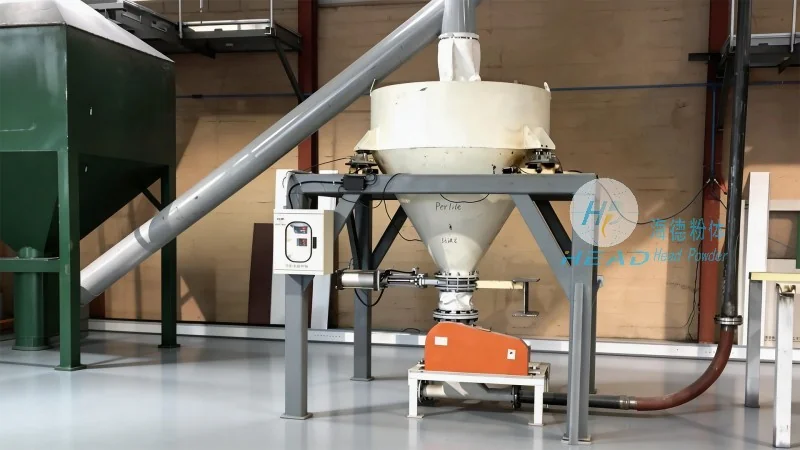
Working Principle of Pneumatic Conveying Systems for Metal Particle Materials
The core mechanism of a pneumatic conveying system involves the use of pressurized air or gas to transport solid particles through a pipeline. In the context of metal particle materials, the system typically operates by creating a flow of air that draws or pushes the metal particles from a source, such as a hopper or storage silo, into a conveying line. The process generally includes several key components: a material feed hopper, a venturi or pressure drop device, and a discharge point. The feed hopper holds the metal particles, and as air is introduced, it creates a negative pressure or positive pressure that propels the particles forward. The venturi or pressure drop device is critical as it accelerates the air flow, ensuring the metal particles are entrained and transported efficiently. The discharge point then releases the metal particles at the desired destination, such as a processing unit or storage area. This method eliminates the need for mechanical components like belts or buckets, reducing maintenance and increasing operational efficiency.
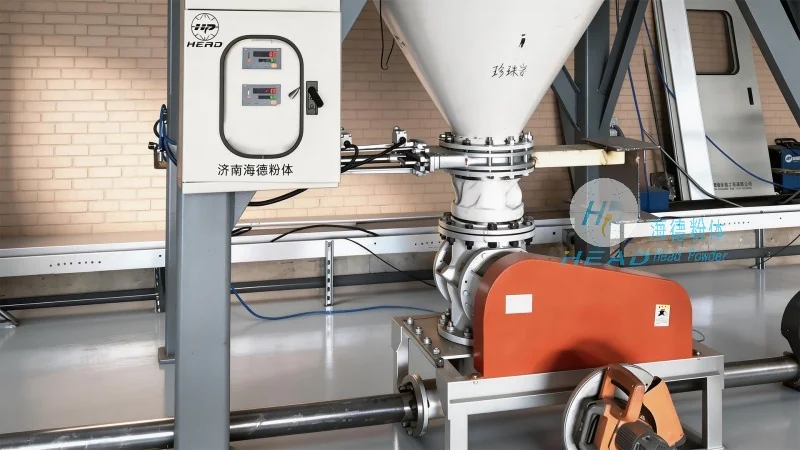
Key Features of Pneumatic Conveying Systems for Metal Particle Materials
Pneumatic conveying systems for metal particle materials offer several distinct advantages that make them ideal for industrial applications. One of the primary features is their ability to handle a wide range of metal particle sizes and shapes, from fine powders to larger granules. This versatility allows for the transportation of diverse metal materials, including aluminum, steel, copper, and other alloys, without the risk of contamination or degradation. Another significant feature is the system's cleanliness and hygienic nature. Unlike mechanical systems that may introduce dust or particles into the environment, pneumatic conveying keeps the metal particles contained within the pipeline, minimizing environmental impact and ensuring compliance with industrial standards. Additionally, these systems provide high efficiency in terms of material throughput, with the ability to transport large volumes of metal particles over considerable distances with minimal energy consumption. The design of the system can be customized to meet specific operational requirements, including varying flow rates and pressure levels, ensuring optimal performance for different production needs. Furthermore, the absence of moving parts in the conveying line reduces wear and tear, leading to lower maintenance costs and longer system lifespans. These features collectively contribute to the reliability and effectiveness of pneumatic conveying systems in handling metal particle materials, making them a preferred choice in industries such as metal processing, foundries, and manufacturing.
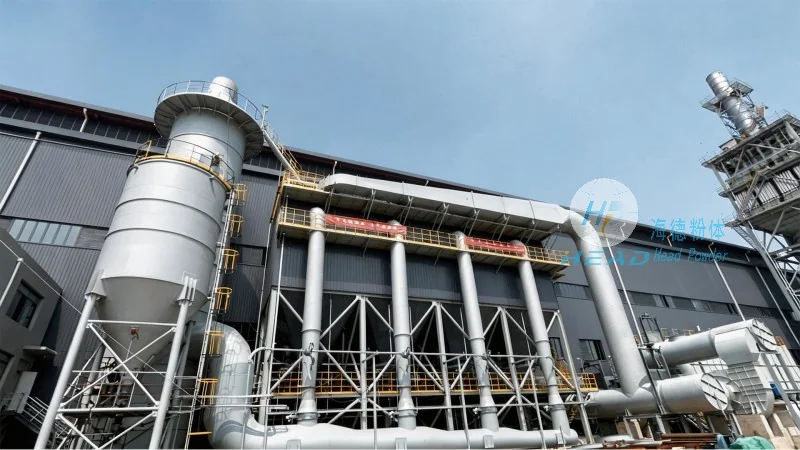
Applications and Benefits in Industrial Settings
The application of pneumatic conveying systems for metal particle materials is widespread across various industrial sectors. In metal processing plants, these systems are used to transport raw metal powders from storage to mixing and melting equipment, ensuring a continuous and controlled supply of materials. In foundries, they facilitate the movement of metal granules from raw material storage to molding and casting processes, enhancing production efficiency. The benefits of using such systems extend beyond mere transportation; they also contribute to improved safety in industrial environments. By containing metal particles within the pipeline, the risk of dust explosions or inhalation hazards is significantly reduced, creating a safer working environment for personnel. Moreover, the efficiency of these systems leads to cost savings in terms of energy consumption and operational downtime. The ability to customize the system to specific production requirements allows manufacturers to optimize their material handling processes, reducing waste and increasing overall productivity. As a result, pneumatic conveying systems for metal particle materials play a vital role in modern industrial operations, supporting the smooth and efficient flow of materials from raw input to finished product.