

Working Principle and Features of a Sodium Hydroxide Powder Material Pneumatic Conveying System
For industrial applications involving sodium hydroxide powder, efficient and reliable material handling is crucial. A pneumatic conveying system offers a sophisticated solution that ensures safe and effective transportation of this caustic material. This article explores the working principle and key features of such a system, highlighting how it addresses the unique challenges associated with sodium hydroxide powder.
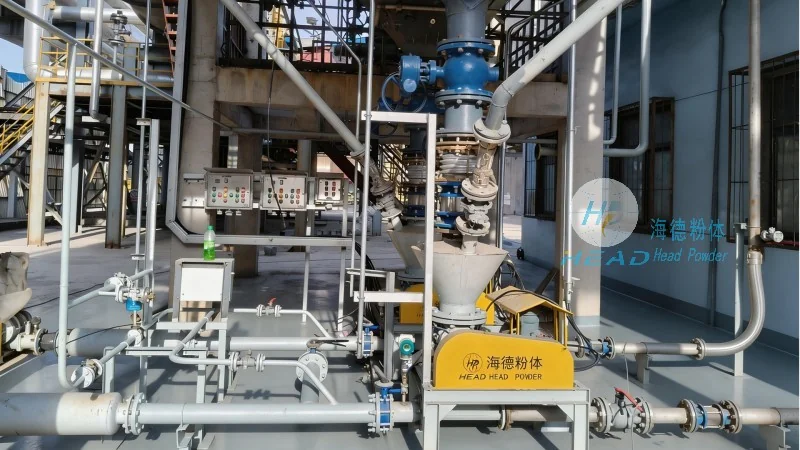
Introduction to the Pneumatic Conveying System for Sodium Hydroxide Powder
The pneumatic conveying system designed for sodium hydroxide powder is a specialized piece of equipment used to transport dry powders through a pipeline using air or other gas as the conveying medium. This method eliminates the need for mechanical components like belts or buckets, reducing the risk of material contamination and mechanical wear. The system is particularly well-suited for handling sodium hydroxide due to its hygroscopic nature and potential for dust generation during transport.
Working Principle of the System
The operation of a sodium hydroxide powder pneumatic conveying system follows a systematic process that ensures consistent and controlled material movement. The system typically consists of a hopper for material storage, a feeder to control the flow rate, a conveying line, and a receiver for the discharged material. The core of the system is the air or gas flow that propels the powder particles through the pipeline.
During operation, the feeder releases a controlled amount of sodium hydroxide powder into the conveying line. Simultaneously, a fan or blower generates a high-velocity airflow that entrains the powder particles, creating a slurry of powder and gas. This mixture travels through the pipeline to the receiver, where the powder is separated from the gas and collected. The gas is then either filtered and recirculated or vented to the atmosphere, depending on the system design and environmental regulations.
Key Features and Advantages
The pneumatic conveying system for sodium hydroxide powder offers several advantages that make it an ideal choice for industrial applications. These features include:
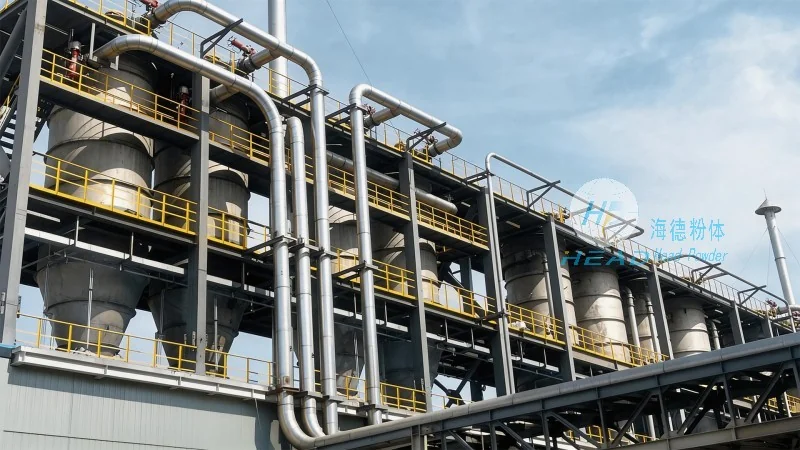
1. Hygienic and Contamination-Free Transport: The enclosed pipeline design prevents exposure to external contaminants, ensuring that the sodium hydroxide remains pure and free from dust or moisture. This is critical for applications where product quality and purity are paramount.
2. Reduced Downtime and Maintenance: Unlike mechanical conveying systems, which require regular maintenance for moving parts, pneumatic systems have fewer components that can wear out. This leads to lower maintenance costs and less downtime, improving overall operational efficiency.
3. Energy Efficiency: Modern pneumatic conveying systems are designed to be energy-efficient, using optimized airflow and pressure to minimize energy consumption. This not only reduces operational costs but also aligns with sustainability goals in industrial operations.
4. Scalability and Flexibility: The system can be easily scaled to accommodate varying production volumes and can be integrated with other processing equipment. Its modular design allows for flexibility in layout and configuration, making it adaptable to different plant setups.
Application Considerations and Safety Measures
When implementing a sodium hydroxide powder pneumatic conveying system, several factors must be considered to ensure safe and effective operation. These include:
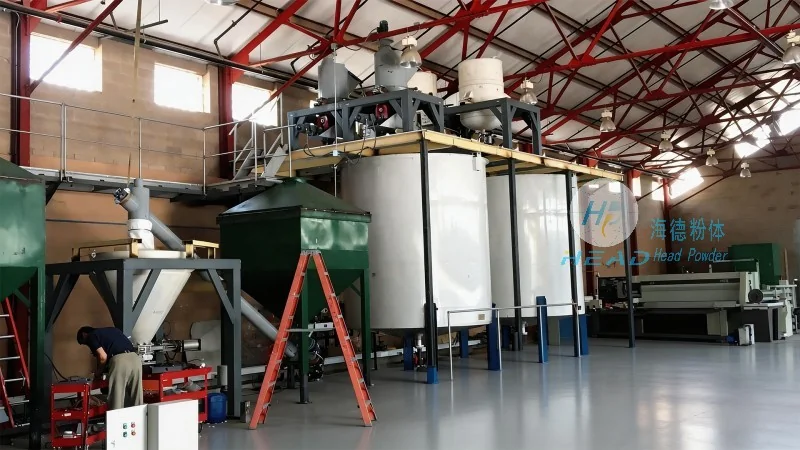
Material Handling Safety: Sodium hydroxide is a caustic substance that can cause severe burns upon contact with skin or eyes. The system must be designed with appropriate safety measures, such as sealed hoppers and enclosed pipelines, to prevent accidental exposure. Additionally, proper ventilation and filtration systems are essential to remove any airborne dust or fumes.
System Sizing and Design: The conveying system must be sized appropriately to handle the specific flow rate and particle size of the sodium hydroxide powder. The pipeline diameter, length, and angle of inclination are critical parameters that affect the system's performance and efficiency. Proper design ensures that the powder is conveyed without excessive pressure drops or blockages.
Environmental Compliance: The system must comply with local environmental regulations regarding dust emissions and air quality. This may require the installation of dust collection and filtration systems to minimize the impact on the environment.
Conclusion
A pneumatic conveying system for sodium hydroxide powder is a highly effective solution for industrial material handling, offering a combination of efficiency, safety, and reliability. By understanding the working principle and key features of such a system, industries can make informed decisions about implementing this technology to enhance their operations. The expertise of companies like Shandong HeadPowder Engineering Co., Ltd., based in China, plays a vital role in designing and manufacturing these systems to meet the specific needs of their clients.