

Working Principle and Features of Air-Pneumatic Conveying Systems for Foam Plastic Materials
Shandong HeadPowder Engineering Co., Ltd., based in Shandong, China, specializes in the development and deployment of advanced air-pneumatic conveying systems designed specifically for handling foam plastic materials. These systems represent a sophisticated approach to material handling, offering efficient and reliable transport solutions for lightweight, low-density materials that are often challenging to manage with conventional methods.
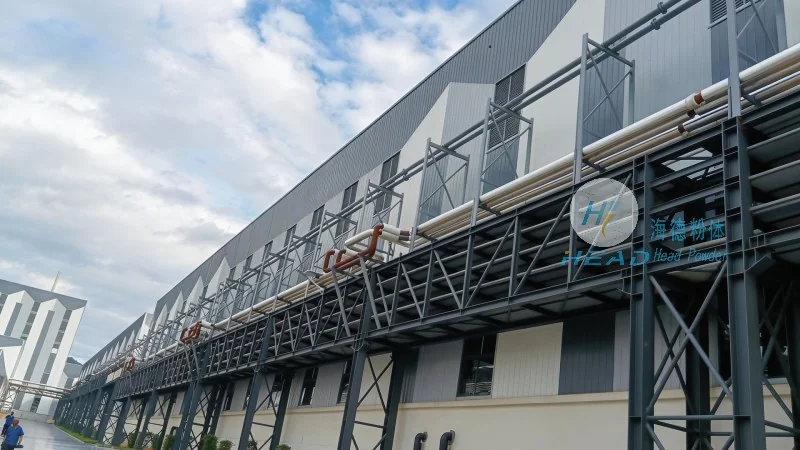
Working Principle of the Air-Pneumatic Conveying System
The fundamental operation of an air-pneumatic conveying system involves utilizing compressed air to generate a flow that transports foam plastic particles through a pipeline. The system typically comprises a hopper or feeding unit, a conveying line, and a discharge component. As material is introduced into the hopper, it is drawn into the pipeline by the suction created by the air flow. The compressed air, usually generated by a blower or compressor, provides the necessary pressure to move the lightweight foam particles, which have a low bulk density, through the system. The design ensures that the air velocity is maintained at a level that prevents material settling or blockage, while also minimizing the risk of material degradation due to friction or excessive pressure.
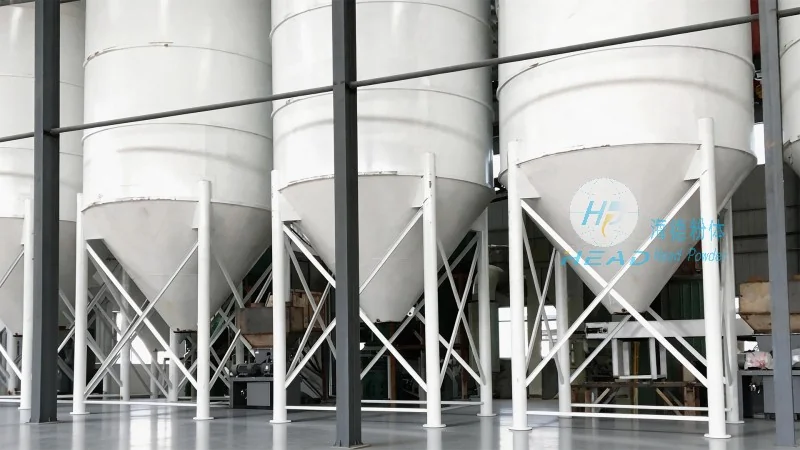
Key Features and Advantages of the System
A primary advantage of air-pneumatic conveying systems for foam plastic materials is their high efficiency in material transport. Unlike mechanical systems that rely on belts or screws, pneumatic systems can handle materials with varying particle sizes and shapes without the need for additional screening or sorting. This makes them particularly suitable for foam plastics, which often have irregular shapes and low bulk density. The system also offers flexibility in layout, as the conveying lines can be configured in various configurations, including straight, curved, or vertical runs, to accommodate different production line setups.
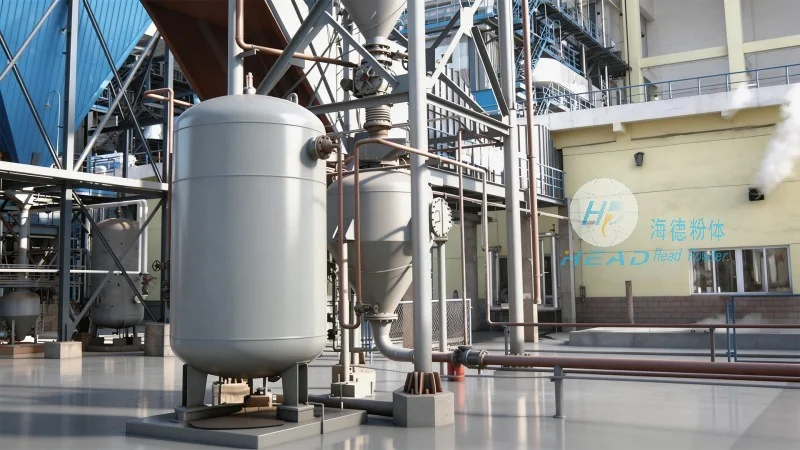
Environmental and Operational Benefits
From an environmental standpoint, air-pneumatic conveying systems are more sustainable compared to traditional methods that may generate dust or require additional machinery. The enclosed pipeline design helps contain dust and particles, reducing the risk of environmental contamination. Additionally, the system operates with lower energy consumption compared to some mechanical alternatives, contributing to cost savings and a reduced carbon footprint. Operational benefits include reduced maintenance needs, as there are fewer moving parts compared to mechanical systems, and enhanced safety due to the enclosed nature of the conveying line, which minimizes personnel exposure to the material being handled.
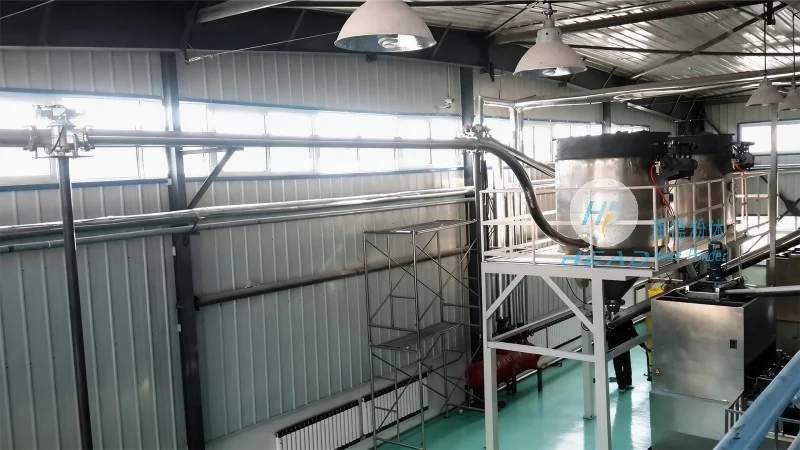
Application Considerations and Customization
When implementing an air-pneumatic conveying system for foam plastic materials, several factors must be considered to ensure optimal performance. The system's design must account for the specific properties of the foam plastic, such as its density, moisture content, and particle size distribution. For instance, materials with higher moisture content may require additional drying steps or modified air flow to prevent clogging. The system can be customized to meet specific production requirements, including varying throughput rates, conveying distances, and material handling needs. Shandong HeadPowder Engineering Co., Ltd. provides tailored solutions that integrate these considerations, ensuring the system operates efficiently and reliably in the intended application.