HeadPowder, a leading provider in the field of powder handling technology, specializes in the design, manufacturing, and implementation of advanced pneumatic conveying systems tailored for various industrial applications. This article provides a detailed exploration of the operation process and working principle of a methylcellulose pneumatic conveying system, highlighting the key components, operational steps, and the technical aspects that ensure efficient and reliable material transport. The system is engineered to handle methylcellulose, a widely used non-ionic cellulose ether, which is crucial in industries such as pharmaceuticals, food processing, and chemical manufacturing due to its excellent film-forming and thickening properties.
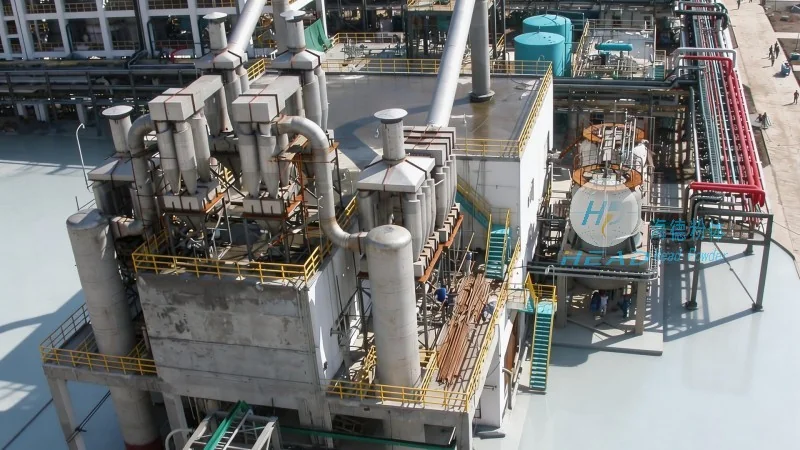
Overview of the Methylcellulose Pneumatic Conveying System
The methylcellulose pneumatic conveying system is a closed-loop system designed to transport dry powder materials, including methylcellulose, from a storage silo or hopper to a processing unit or storage location. The system operates on the principle of air movement, utilizing compressed air to create a flow that propels the powder particles through a network of pipes and ducts. Key components of this system typically include a material feeder, a blower or air compressor, a conveying line, a control system, and a receiver or discharge unit. Each component plays a critical role in ensuring the smooth and efficient transport of methylcellulose, minimizing material degradation and ensuring compliance with industry standards for product quality and safety.
Working Principle of the Pneumatic Conveying System
The core working principle of the pneumatic conveying system revolves around the creation of a high-velocity air stream that entrains the powder particles, allowing them to be transported through the system. The process begins with the material feeder, which meters the methylcellulose powder into the conveying line at a controlled rate. The feeder ensures a consistent flow of material, preventing overloading or underloading of the system, which could lead to operational inefficiencies or equipment damage. The blower or air compressor then supplies the necessary pressure and volume of air to generate the conveying air stream. This air stream is directed through the conveying line, where it interacts with the powder particles, creating a mixture known as a "pneumatic slurry." The air velocity is carefully controlled to maintain the powder in a suspended state, preventing settling or blockages in the pipes.
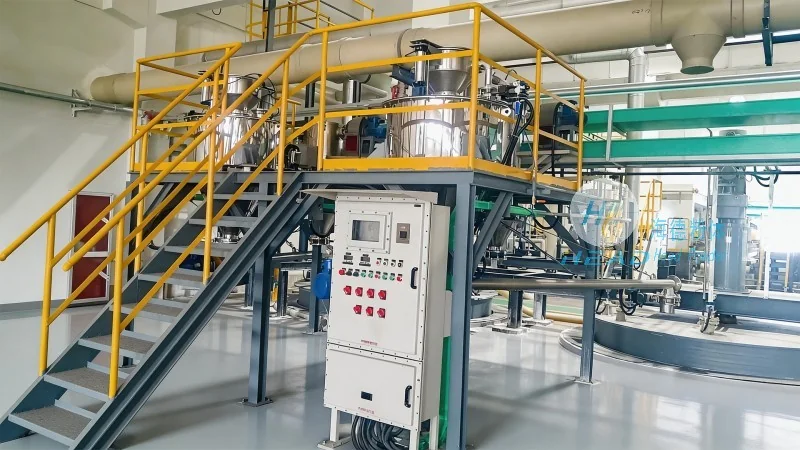
Operation Process: Step-by-Step Execution
The operation of the methylcellulose pneumatic conveying system follows a systematic sequence of steps to ensure optimal performance and material transport. The process begins with the preparation phase, where the system is checked for proper functionality, including checking the air pressure, material level in the feeder, and the integrity of the conveying line. Once the system is confirmed to be in good working condition, the operation starts with the activation of the blower, which generates the required air pressure. Simultaneously, the material feeder is activated to start feeding the methylcellulose powder into the conveying line. As the powder enters the line, the air stream entrains the particles, and they are transported through the system to the receiver or discharge point. The control system continuously monitors the flow rate of both the air and the material, adjusting the blower speed or feeder rate as needed to maintain a stable and efficient conveying process. The system operates continuously until the required amount of methylcellulose has been transported, after which the feeder and blower are shut down to prevent unnecessary energy consumption and material loss.
Key Components and Their Functions
Several critical components are integral to the efficient operation of the methylcellulose pneumatic conveying system. The material feeder, often a rotary valve or screw feeder, is responsible for accurately metering the powder and introducing it into the conveying line. The feeder's design ensures that the powder is fed at a consistent rate, preventing fluctuations that could affect the conveying efficiency. The blower or air compressor provides the necessary air pressure and volume to create the conveying air stream. It is typically a positive displacement blower or a centrifugal fan, chosen based on the system's capacity and the specific requirements of the application. The conveying line, made of materials such as stainless steel or plastic, is designed to withstand the pressure and temperature conditions of the system while ensuring minimal material buildup or corrosion. The control system, which may include sensors, valves, and a programmable logic controller (PLC), monitors and regulates the operation of the system, ensuring that the air and material flows are maintained within optimal parameters. The receiver or discharge unit is where the transported methylcellulose is collected, and it is designed to prevent dust emissions and ensure the material is discharged safely and efficiently.
Advantages of the Methylcellulose Pneumatic Conveying System
The methylcellulose pneumatic conveying system offers several advantages over traditional bulk material handling methods, such as bucket elevators or belt conveyors. One of the primary advantages is the ability to transport materials in a closed system, which minimizes dust emissions and improves workplace safety. This is particularly important for methylcellulose, which is a fine powder that can be hazardous if inhaled. The closed system also helps maintain the quality of the material by preventing contamination from external sources and reducing the risk of material degradation due to exposure to air or moisture. Another advantage is the flexibility of the system, which can be easily adjusted to handle varying material flow rates and different types of powders. The system can be scaled up or down to meet the specific needs of the application, making it suitable for both small-scale and large-scale operations. Additionally, the pneumatic conveying system is relatively compact and can be installed in confined spaces, which is beneficial for facilities with limited floor space. The system also offers energy efficiency compared to other conveying methods, as it uses compressed air to transport the material, which can be more cost-effective in the long run.
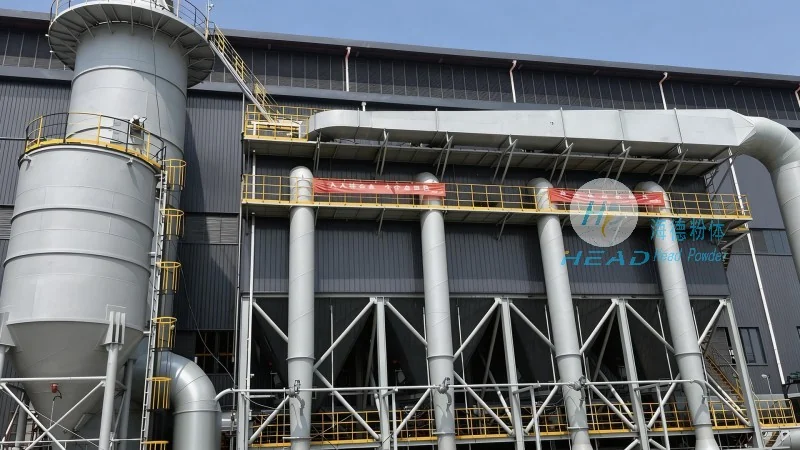
Maintenance and Operational Considerations
To ensure the long-term reliability and efficiency of the methylcellulose pneumatic conveying system, regular maintenance and proper operational practices are essential. The system should be inspected regularly for any signs of wear and tear, such as leaks in the conveying line or damage to the feeder components. The air compressor and blower should be checked for proper lubrication and performance, as inadequate maintenance can lead to increased energy consumption and reduced system efficiency. The conveying line should be cleaned periodically to remove any accumulated powder, which can reduce the system's capacity and increase the risk of blockages. The control system should be calibrated regularly to ensure that the air and material flows are monitored accurately. Additionally, the system should be operated within the recommended parameters, as exceeding the maximum flow rate or pressure can cause damage to the equipment and compromise the quality of the transported material. Proper training of operators is also crucial to ensure that they understand the system's operation and can respond appropriately to any issues that may arise. By following these maintenance and operational guidelines, the system can operate efficiently and reliably for an extended period, providing consistent performance and minimizing downtime.
Conclusion
The methylcellulose pneumatic conveying system is a sophisticated and efficient solution for transporting methylcellulose and other fine powders in industrial applications. The system's operation is based on the principles of pneumatic conveying, utilizing compressed air to create a flow that entrains the powder particles and transports them through a closed-loop system. The key components, including the material feeder, blower, conveying line, and control system, work together to ensure the smooth and reliable transport of the material. The system offers several advantages, including closed-loop operation, flexibility, and energy efficiency, making it a preferred choice for many industries. Proper maintenance and operational practices are essential to ensure the system's long-term performance and reliability. As a leading provider in the field, HeadPowder continues to innovate and improve its pneumatic conveying systems to meet the evolving needs of the industry, providing high-quality solutions for efficient powder handling.




