

The Operation Process and Working Principle of Lysine Powder Conveying
Shandong HeadPowder Engineering Co., Ltd. specializes in providing advanced solutions for the conveying of lysine powder, a critical component in the animal feed and pharmaceutical industries. With a focus on efficiency, reliability, and safety, our systems are designed to meet the stringent requirements of modern production environments. This article explores the operation process and working principle of our lysine powder conveying systems, highlighting key components, operational steps, and the technical advantages that ensure optimal performance.
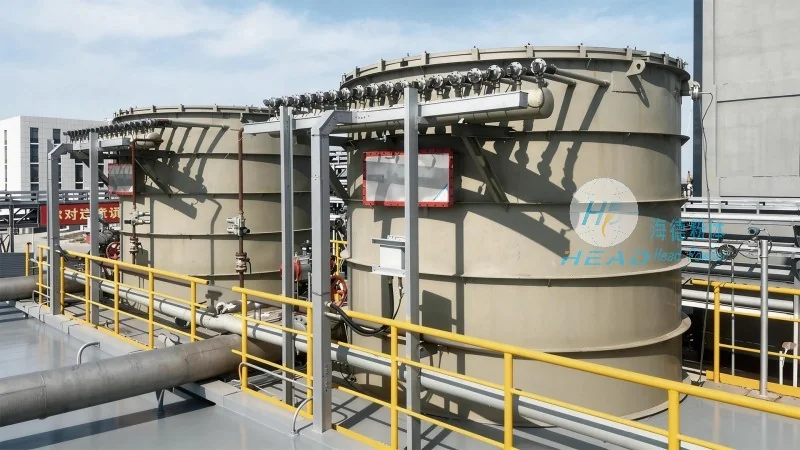
Company Overview and Expertise
HeadPowder, as the company's official name, is a leading manufacturer in the field of powder handling technology. Based in Shandong, China, we leverage decades of experience and cutting-edge engineering to develop customized conveying solutions tailored to the unique needs of lysine powder. Our team of engineers and technicians works closely with clients to understand their production challenges, ensuring that the final system not only meets but exceeds industry standards for performance and durability.
Key Components of Lysine Powder Conveying Systems
The core of our lysine powder conveying systems consists of several essential components that work in tandem to ensure smooth and efficient material transport. These include feed hoppers, screw conveyors, pneumatic transport lines, and control panels. Each component is carefully selected and integrated to handle the specific properties of lysine powder, such as its fine particle size and hygroscopic nature, which can affect flow characteristics and system performance.
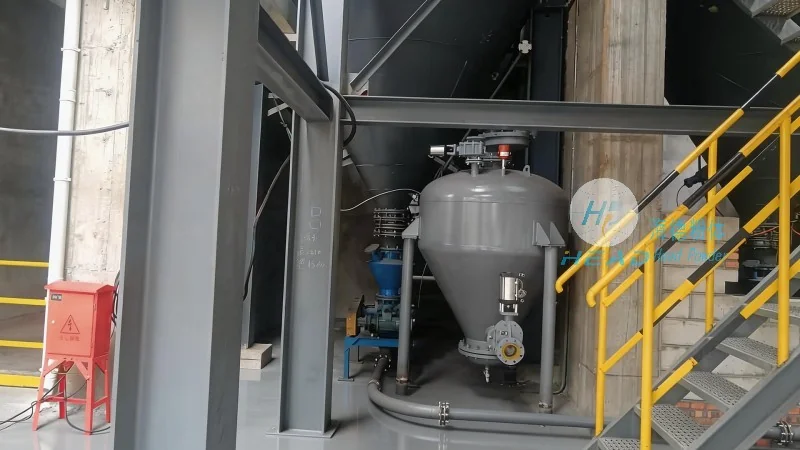
The Operation Process: Step-by-Step Overview
The operation of our lysine powder conveying system begins with the loading of raw lysine powder into the feed hopper. The hopper is designed with a sloped bottom to facilitate uniform material flow, preventing bridging or caking that can occur with fine powders. Once the powder is in the hopper, an electric motor drives the screw conveyor, which gradually moves the material forward. The screw conveyor's design, with its helical blades, ensures that the powder is pushed through the system without excessive pressure or friction, minimizing the risk of product degradation.
After the initial transport via the screw conveyor, the lysine powder is transferred to the pneumatic transport line. This section of the system uses compressed air to create a pressure differential that propels the powder through the pipeline. The pneumatic system is particularly effective for long-distance conveying and can handle varying particle sizes and moisture levels. The control panel monitors and regulates the air pressure, flow rate, and material level in real-time, allowing for precise adjustments to maintain optimal operation.
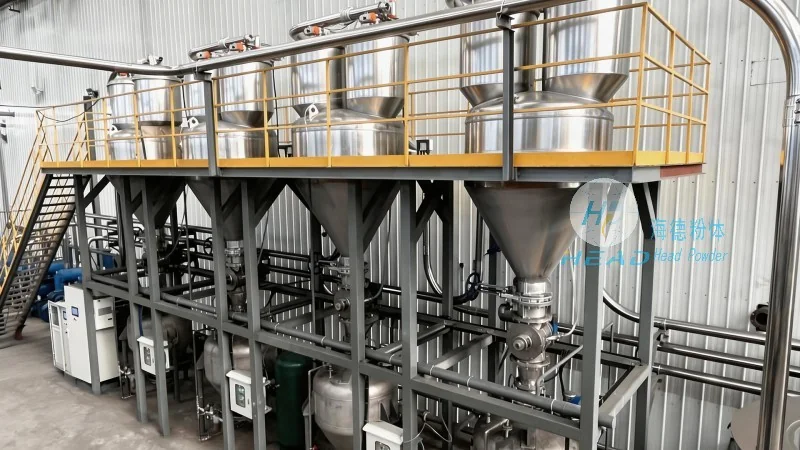
Working Principle: How the System Ensures Efficiency and Reliability
The working principle of our lysine powder conveying system is based on a combination of mechanical and pneumatic forces, optimized for the handling of fine, hygroscopic powders like lysine. The mechanical screw conveyor provides initial movement and compaction, reducing the risk of material settling or segregation. The pneumatic transport then leverages air pressure to move the powder efficiently through the pipeline, minimizing energy consumption compared to traditional mechanical systems. This dual approach ensures that the system operates with high efficiency, low maintenance, and consistent material quality.
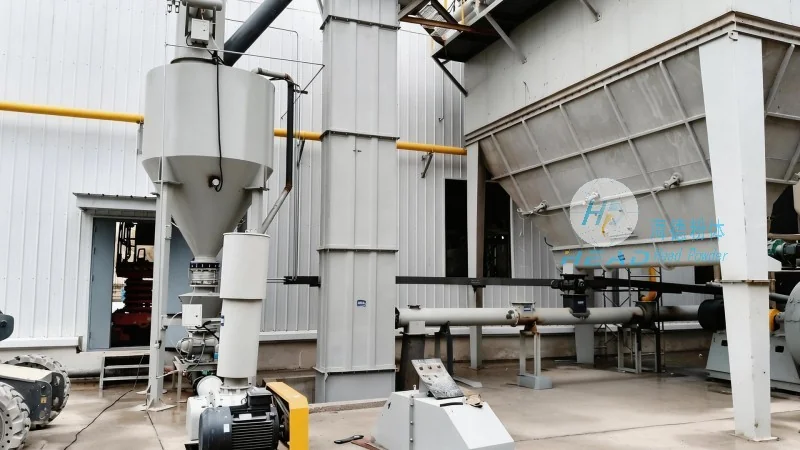
Technical Advantages and Industry Applications
Our lysine powder conveying systems offer several technical advantages that make them ideal for industrial applications. The use of stainless steel construction ensures corrosion resistance and easy cleaning, which is critical in food and pharmaceutical processing. The system's modular design allows for easy expansion or integration with existing production lines, providing flexibility for growing businesses. Additionally, the advanced control systems enable remote monitoring and diagnostics, reducing downtime and maintenance costs. These features make our solutions suitable for a wide range of applications, from large-scale feed mills to pharmaceutical manufacturing facilities.
Conclusion: Ensuring Optimal Performance in Lysine Powder Handling
In conclusion, the operation process and working principle of our lysine powder conveying systems are designed to deliver reliable, efficient, and safe material transport. By combining mechanical and pneumatic technologies with advanced control systems, we ensure that lysine powder is handled with precision, maintaining its quality and integrity throughout the conveying process. As a trusted partner in powder handling technology, Shandong HeadPowder Engineering Co., Ltd. continues to innovate and provide solutions that meet the evolving needs of the industry, ensuring that our clients achieve their production goals with confidence.