In industrial production, the effective conveying of silicon carbide powder is a key factor in ensuring smooth production processes. Shandong HeadPowder Engineering Co., Ltd. (referred to as headpowder) is a professional supplier in the industry, dedicated to providing efficient and reliable solutions for silicon carbide powder conveying. This article will detail the operation process and working principle of silicon carbide powder conveying, helping readers fully understand the core elements of this technology.
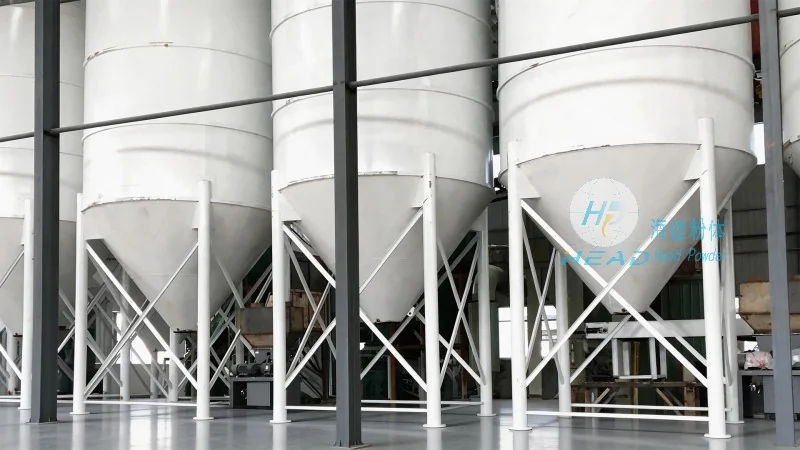
Company Introduction: Shandong HeadPowder Engineering Co., Ltd.
Shandong HeadPowder Engineering Co., Ltd., abbreviated as headpowder, is a company specializing in powder engineering technology and equipment research, manufacturing, and service. The company is headquartered in Shandong, China. Since its establishment, the company has always driven innovation with technology, providing high-quality silicon carbide powder conveying equipment and related solutions to global customers. headpowder has accumulated profound professional knowledge and practical experience in the field of powder conveying through its rich industry experience and professional technical team, committed to providing customized solutions for customers to meet the conveying needs of different industrial scenarios.
Overview of Silicon Carbide Powder Conveying
Silicon carbide (SiC) is an important inorganic non-metallic material with excellent properties such as high hardness, high thermal conductivity, and heat resistance, widely used in the semiconductor, ceramics, abrasive, and refractory material fields. The conveying process of silicon carbide powder needs to consider its physical properties, such as particle size, density, and fluidity, as well as the environmental requirements of the conveying system. Effective conveying not only improves production efficiency but also reduces material loss and equipment wear, ensuring production safety.
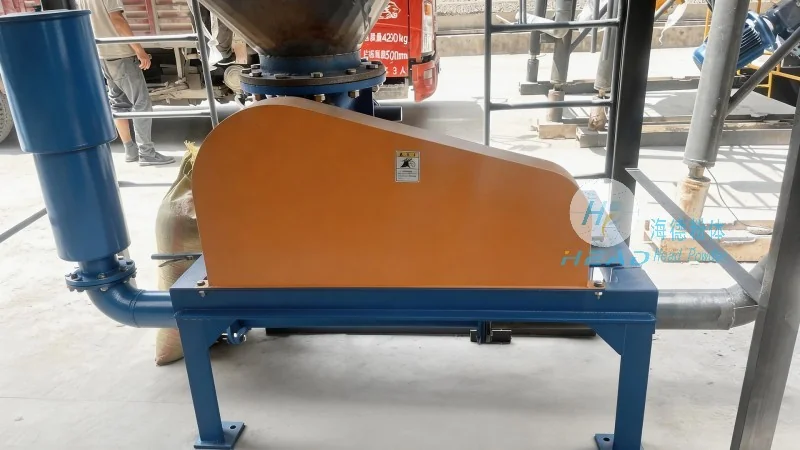
Operation Process of Silicon Carbide Powder Conveying
The operation process of silicon carbide powder conveying typically includes stages such as material preparation, conveying equipment start-up, material conveying, terminal unloading, and system maintenance. First, in the material preparation stage, silicon carbide powder is pre-processed, such as sieving and drying, to ensure it meets conveying requirements. Subsequently, the conveying equipment is started, such as a screw conveyor, pneumatic conveying system, or vacuum conveying device, selecting the appropriate equipment based on material characteristics and conveying distance. During the conveying process, the system monitors parameters like material flow rate and pressure in real time to ensure the stability and continuity of the conveying process. When the material reaches the terminal, it is unloaded through an unloading device to complete the conveying task. Finally, system maintenance is performed, checking equipment operation status, cleaning conveying pipes and equipment, preparing for the next conveying operation.
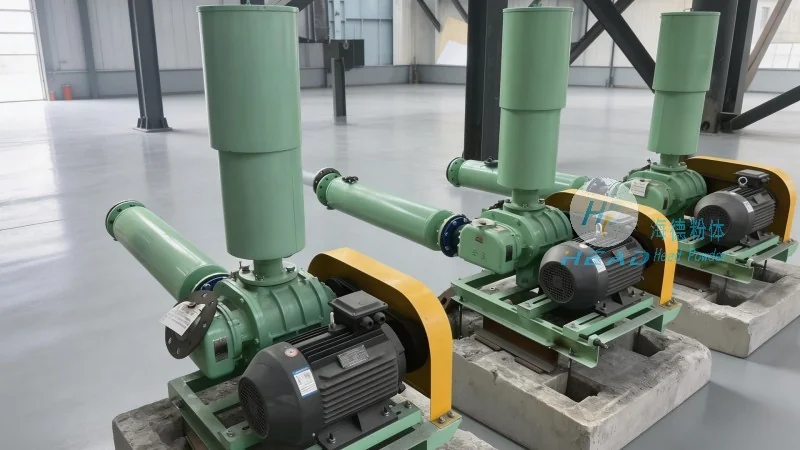
Working Principle of Silicon Carbide Powder Conveying
The working principle of silicon carbide powder conveying is mainly based on the physical properties of the material and the mechanical or fluid effects of the conveying equipment. Common conveying methods include gravity conveying, mechanical conveying, and pneumatic conveying. Gravity conveying is typically used for short-distance, low-flow scenarios, realizing conveying by utilizing the material's self-weight through inclined conveying pipes. Mechanical conveying, such as a screw conveyor, pushes material forward through the rotation of spiral blades, suitable for medium-flow silicon carbide powder. Pneumatic conveying uses compressed air or vacuum systems to suspend material in the air flow and convey it through pipes. For silicon carbide powder, pneumatic conveying is widely used due to its high efficiency, dust-free operation, and long conveying distance. The system generates air flow through a fan, mixing material with air to form a gas-solid two-phase flow, conveying it in pipes. At the terminal, material is separated from air through a separation device for unloading. Key parameters in the working principle, including air flow velocity, material concentration, and pipe diameter, directly affect conveying efficiency and equipment life.
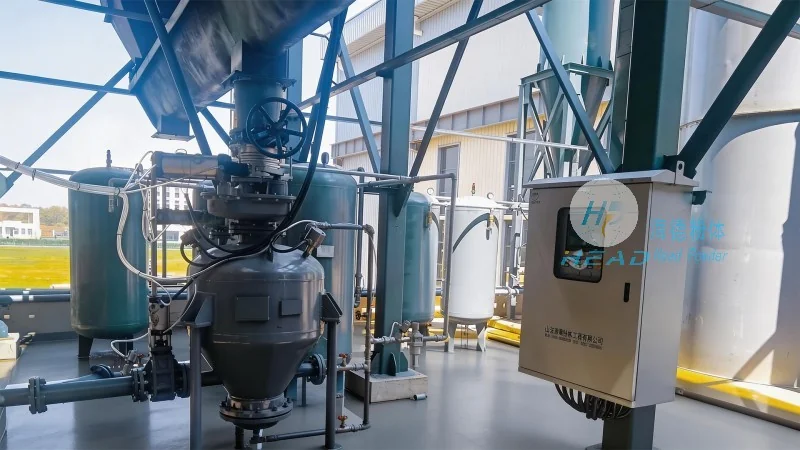
headpowder's Silicon Carbide Powder Conveying Solutions
headpowder provides customized solutions for silicon carbide powder conveying based on different industrial needs. The company designs reasonable conveying systems according to customers' specific working conditions, such as material properties, conveying distance, conveying volume, and environmental requirements. For example, for the conveying of high-purity silicon carbide powder, headpowder uses a closed pneumatic conveying device to ensure the material is not contaminated and reduces dust emissions. For large-capacity conveying needs, headpowder provides large-scale screw conveyors or combined conveying systems to improve conveying efficiency. Additionally, headpowder's conveying equipment is manufactured with high-quality materials like stainless steel and wear-resistant ceramics to cope with the wear of silicon carbide powder on equipment. The company also provides comprehensive after-sales service and technical support to ensure long-term stable operation of customer equipment.
Summary and Outlook
The operation process and working principle of silicon carbide powder conveying involve multiple stages and technical points. With professional technology and rich experience, headpowder provides efficient and reliable conveying solutions to global customers. With the continuous development of industrial technology, silicon carbide powder conveying technology is also continuously advancing. headpowder will continue to innovate, launching more advanced and environmentally friendly conveying equipment to meet the growing needs of customers and help promote the efficient development of industrial production.




