

Working Principle and Features of Polyethylene Pellet Material Pneumatic Conveying Systems
HeadPowder, a leading engineering company based in Shandong, China, specializes in the design, manufacturing, and installation of advanced pneumatic conveying systems for various industrial applications. This article provides an in-depth exploration of the working principle and key features of polyethylene pellet material pneumatic conveying systems, highlighting how these systems efficiently handle polyethylene pellets in industrial processes.
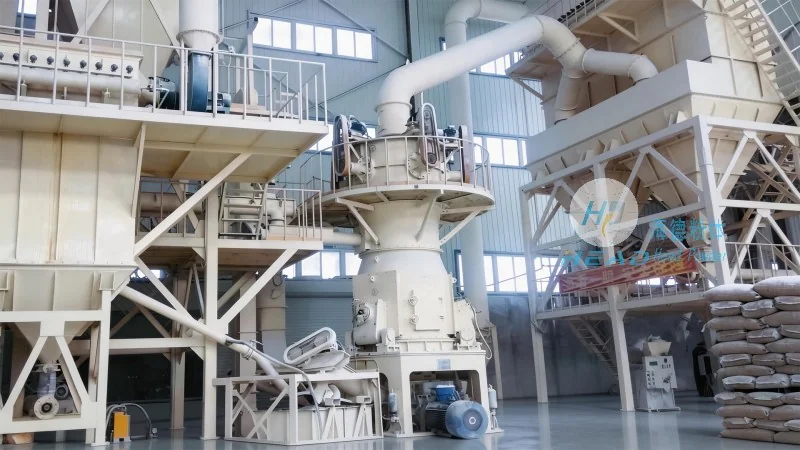
Understanding the Working Principle of Polyethylene Pellet Pneumatic Conveying Systems
The core of a polyethylene pellet material pneumatic conveying system lies in its ability to transport bulk materials like polyethylene pellets through an enclosed pipeline using a combination of air or gas as the conveying medium. The system typically operates on the principle of creating a pressure differential or utilizing vacuum to move the material from the source to the destination. There are two primary types of pneumatic conveying systems: pressure systems and vacuum systems. Pressure systems use compressed air to push the material through the pipeline, while vacuum systems employ a vacuum to pull the material. For polyethylene pellets, which are often lightweight and can be prone to dust or static, the choice of system depends on factors such as the distance of transport, the volume of material, and the need for containment.
In a typical pressure system, the polyethylene pellets are fed into a hopper or feeder, where they are then introduced into a pipeline under pressure. The compressed air, often supplied by a blower or compressor, creates a high-pressure environment that propels the pellets forward. The system may include components like a rotary valve, which controls the flow of pellets into the pipeline, and a filter or cyclone separator at the receiving end to separate the pellets from the air. Vacuum systems, on the other hand, use a vacuum pump to create a low-pressure environment, drawing the pellets into the pipeline and transporting them to the desired location. Both systems are designed to maintain the integrity of the polyethylene pellets, preventing breakage or degradation during transport.
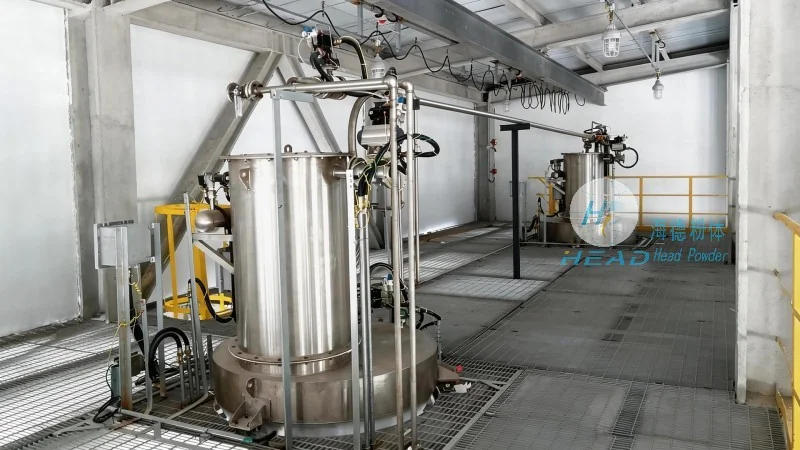
Key Features of Polyethylene Pellet Material Pneumatic Conveying Systems
Polyethylene pellet material pneumatic conveying systems offer several advantages that make them ideal for industrial applications. One of the most significant features is their ability to handle polyethylene pellets in a closed system, which minimizes dust exposure and improves safety in the workplace. This is particularly important in environments where dust can be a health hazard or cause product contamination. Additionally, these systems are highly efficient in terms of space utilization, as they can transport materials over long distances without the need for extensive infrastructure like conveyor belts or elevators.
Another key feature is the flexibility of the system. Pneumatic conveying systems can be easily integrated into existing industrial setups, allowing for modifications or expansions as production needs change. The systems are also capable of handling varying material flow rates, making them suitable for both small-scale and large-scale operations. For polyethylene pellets, which are often used in manufacturing processes such as extrusion or molding, the ability to maintain consistent material flow is crucial for ensuring product quality and reducing downtime.
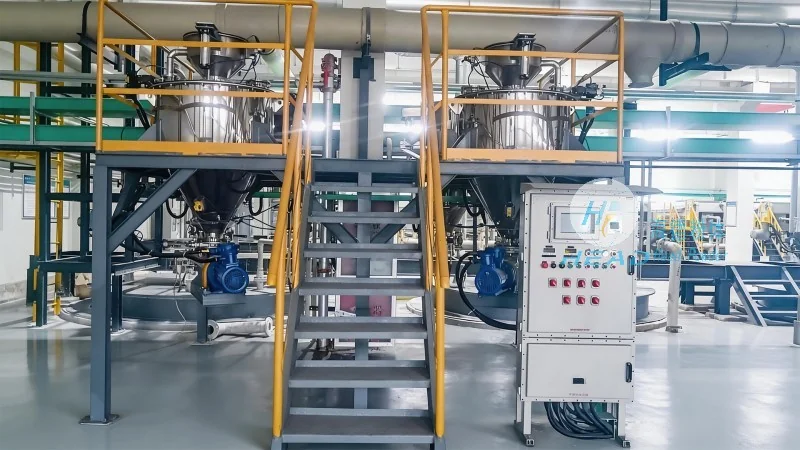
Furthermore, polyethylene pellet pneumatic conveying systems are designed with durability and low maintenance in mind. The components, such as the pipeline and valves, are constructed from materials that can withstand the abrasive nature of polyethylene pellets, reducing the risk of wear and tear over time. The system also includes features like air filtration and moisture control, which help to maintain the quality of the polyethylene pellets and prevent issues like clogging or blockages in the pipeline.
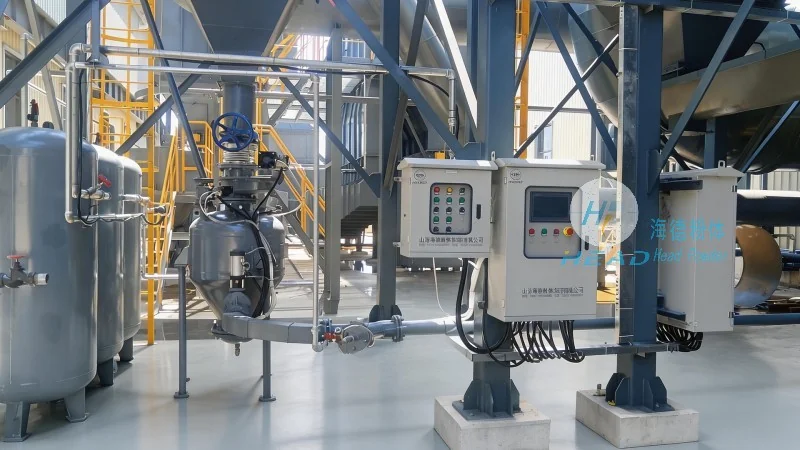
Applications and Benefits in Industrial Settings
Polyethylene pellet material pneumatic conveying systems are widely used in various industries, including plastics manufacturing, chemical processing, and food processing. In the plastics industry, these systems are commonly used to transport polyethylene pellets from storage silos to processing equipment, such as extruders or injection molding machines. The ability to handle large volumes of material efficiently and safely makes these systems essential for maintaining production throughput. In chemical processing, pneumatic conveying systems are used to transport raw materials and finished products, ensuring that the process remains continuous and uninterrupted.
The benefits of using polyethylene pellet pneumatic conveying systems extend beyond just material transport. By reducing manual handling and exposure to dust, these systems improve workplace safety and compliance with environmental regulations. The closed system design also helps to minimize product contamination, which is critical in industries where product purity is a top priority. Additionally, the energy efficiency of pneumatic conveying systems, particularly when compared to traditional methods like belt conveyors, can lead to significant cost savings over time.