Understanding the technical specifications of petroleum coke is crucial for industries that rely on its applications, particularly in the manufacturing of electrodes, carbon products, and other industrial materials. The quality and characteristics of petroleum coke directly impact the efficiency and performance of downstream processes. This document provides a detailed overview of key technical parameters associated with petroleum coke, alongside an explanation of the processes involved in its transportation and handling systems.
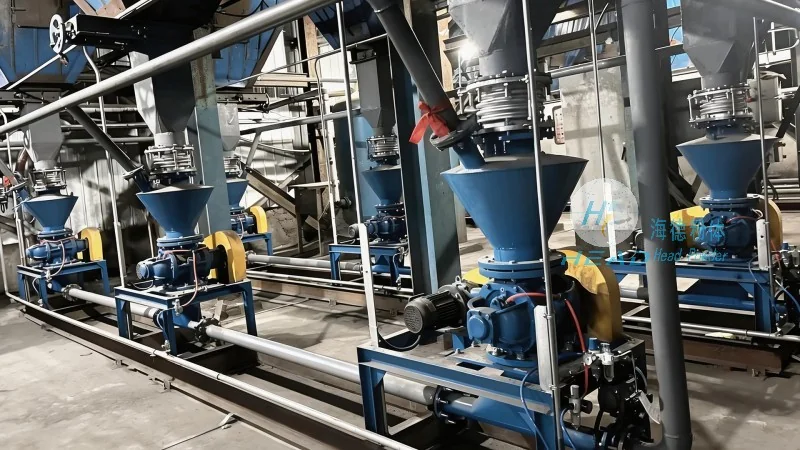
Key Technical Parameters of Petroleum Coke
Petroleum coke, also known as pet coke, is a solid byproduct of the oil refining process, primarily derived from the coking of heavy petroleum residues. The technical parameters that define its quality and suitability for various applications include:
- Moisture Content: Typically ranging from 0.5% to 2%, moisture levels affect the coke's handling properties and energy content. Excessive moisture can lead to clumping and reduced thermal efficiency.
- Ash Content: Ash is an inorganic residue left after combustion. It is usually expressed as a percentage of the coke's mass. Low ash content is desirable for applications requiring high purity, such as in the production of high-quality electrodes.
- Volatile Matter: This refers to the organic compounds that vaporize during heating. Volatile matter content influences the coke's reactivity and its ability to form a stable structure during processing. It is typically measured as a percentage of the dry coke.
- Fixed Carbon: The primary component of petroleum coke, fixed carbon represents the carbonaceous material left after the removal of volatile matter. High fixed carbon content is essential for applications where carbon content is critical, such as in carbon electrodes and graphite production.
- Particle Size and Distribution: The size and distribution of coke particles affect its flowability, compaction, and handling in conveyor systems. Coarse particles may cause blockages, while fine particles can lead to dust issues. Standard particle size ranges are often specified based on the application.
- Hardness and Density: The physical hardness and density of petroleum coke impact its transportability and storage. Higher density and hardness contribute to better handling in bulk material systems, reducing the risk of degradation during transit.
These parameters are meticulously monitored and controlled by manufacturers to ensure consistency and meet the specific requirements of end-users. The quality of petroleum coke directly correlates with the performance of downstream processes, making it essential to adhere to industry standards and specifications.
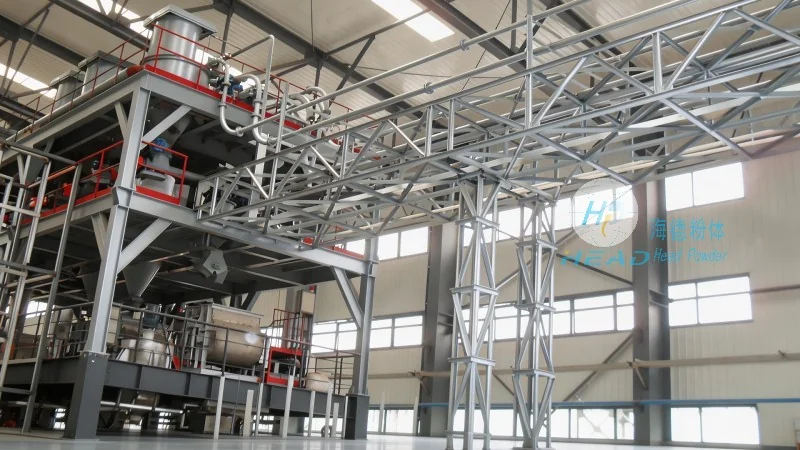
The Conveying System Process for Petroleum Coke
The transportation of petroleum coke from production facilities to end-users involves a series of specialized systems designed to handle its bulk nature and physical characteristics. The process typically includes several stages, each optimized for efficiency and safety:
- Storage and Pre-processing: After production, petroleum coke is often stored in silos or bulk storage tanks. Pre-processing may involve screening to remove oversized or undersized particles, ensuring uniformity before transport. This step is critical to prevent equipment damage and maintain consistent material flow.
- Conveying Methods: Various methods are employed for transporting petroleum coke, including belt conveyors, pneumatic conveyors, and screw conveyors. Belt conveyors are commonly used for long-distance horizontal transport due to their high capacity and reliability. Pneumatic conveyors are suitable for vertical or inclined transport, utilizing air pressure to move the material through pipelines. Screw conveyors are ideal for handling cohesive materials and are often used in processing plants for internal transport.
- Equipment Selection: The choice of conveying equipment depends on factors such as the volume of material, distance, and the physical properties of the coke. For example, high-capacity belt conveyors are preferred for large-scale industrial applications, while pneumatic systems are used for more precise control in processing environments. Proper equipment selection ensures minimal material degradation and energy efficiency.
- Control Systems: Modern conveying systems incorporate advanced control systems to monitor and regulate the flow of petroleum coke. These systems use sensors to detect material levels, flow rates, and potential blockages, allowing for real-time adjustments to maintain optimal operation. Automation enhances safety and reduces the risk of accidents, particularly in environments where dust and fumes are present.
- Handling and Safety Measures: Due to the dusty nature of petroleum coke, proper safety measures are essential during transportation. This includes dust suppression systems, ventilation, and personal protective equipment (PPE) for personnel. Additionally, equipment is designed to minimize dust generation, such as using sealed conveyors and enclosed hoppers. These measures comply with environmental regulations and ensure a safe working environment.
The efficiency of the conveying system directly impacts the overall operational costs and productivity of petroleum coke handling facilities. Proper maintenance and regular inspections are necessary to prevent breakdowns and ensure consistent performance. By optimizing the conveying process, manufacturers can reduce downtime, improve material handling, and enhance the reliability of supply to end-users.
Company Profile: Shandong HeadPowder Engineering Co., Ltd.
Shandong HeadPowder Engineering Co., Ltd., operating under the brand name headpowder, is a leading provider of engineering solutions and services related to bulk material handling, including the processing and transportation of petroleum coke. With a strong commitment to quality and innovation, the company specializes in designing and implementing customized conveying systems tailored to the specific needs of its clients.
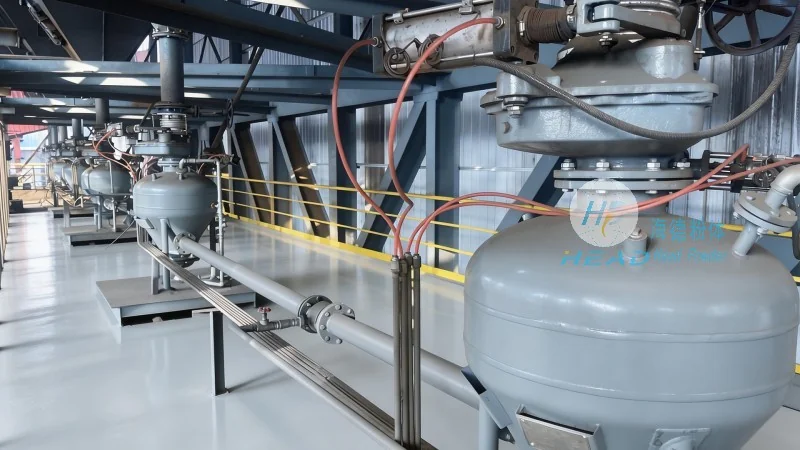
HeadPowder leverages advanced technology and industry expertise to deliver high-performance solutions that meet the stringent requirements of the petroleum coke industry. The company's team of engineers and technicians works closely with clients to understand their operational challenges and develop tailored solutions that enhance efficiency, safety, and sustainability. By focusing on the technical parameters of petroleum coke and the design of efficient conveying systems, headpowder helps its clients optimize their processes and achieve their business objectives.
HeadPowder's headquarters is located in Shandong, China, where the company operates from a state-of-the-art facility equipped with the latest design and testing capabilities. The company's dedication to excellence and customer satisfaction has earned it a reputation as a trusted partner in the bulk material handling sector. With a global presence and a commitment to continuous improvement, headpowder remains at the forefront of providing innovative solutions for the petroleum coke industry.




