

Working Principle and Features of Positive Electrode Material Pneumatic Conveying Systems
Understanding the working principle and features of positive electrode material pneumatic conveying systems is crucial for optimizing battery production processes, particularly in the lithium-ion battery industry. These systems are designed to efficiently transport fine powders, such as those used in the production of cathode materials, with precision and reliability. The following sections delve into the technical aspects and key characteristics of such systems, highlighting their importance in modern manufacturing.
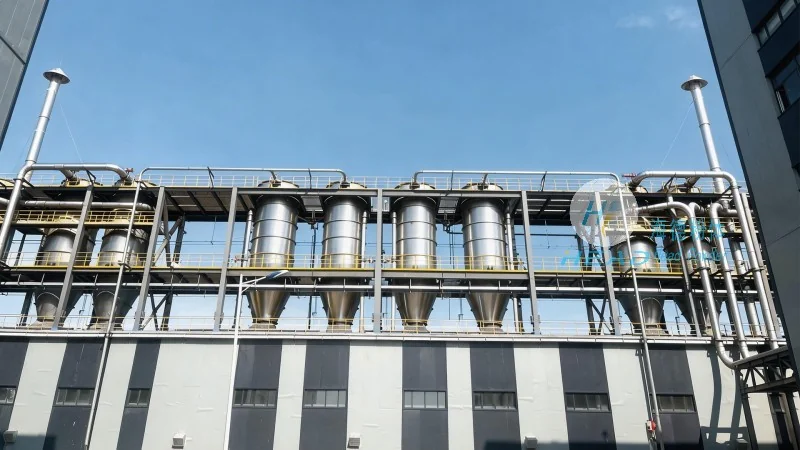
Working Principle of Pneumatic Conveying Systems for Positive Electrode Materials
At the core of a pneumatic conveying system is the use of air or gas to transport bulk materials through a pipeline network. In the context of positive electrode material handling, these systems typically operate on either pressure or vacuum principles. The pressure system, also known as a positive pressure system, uses compressed air to push the material through the pipeline, while the vacuum system employs a vacuum to draw the material into the pipeline. Both methods are engineered to maintain the integrity of the material, preventing agglomeration or degradation during transport.
The system components include a material feed hopper, a conveying line, a control valve, and a discharge device. The feed hopper stores the positive electrode powder, and the control valve regulates the flow rate to match production demands. The conveying line, often made of stainless steel or other corrosion-resistant materials, ensures that the material is transported without contamination. The discharge device, such as a rotary valve or a venturi, controls the release of the material at the destination point. This integrated design allows for seamless material transfer from the storage area to the processing line, minimizing downtime and maximizing throughput.
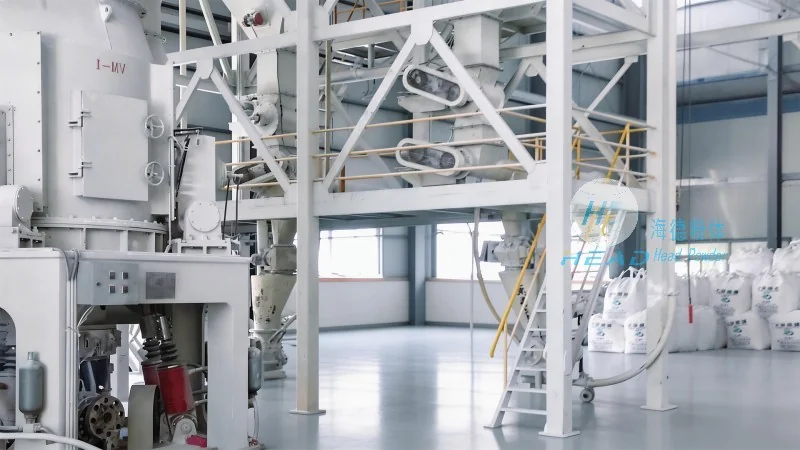
Key Features of Positive Electrode Material Pneumatic Conveying Systems
Several key features distinguish high-performance pneumatic conveying systems for positive electrode materials. First, the systems are designed with material compatibility in mind, using materials that do not react with or contaminate the sensitive cathode powders. Stainless steel and specialized coatings are commonly used to prevent corrosion and ensure the purity of the material. Second, the systems offer precise flow control, which is critical for maintaining consistent material quality and preventing overloading or underloading of processing equipment. Advanced control systems, including flow meters and pressure sensors, enable real-time monitoring and adjustment of the conveying rate.
Third, the systems are built for durability and low maintenance. The use of robust components and automated cleaning mechanisms reduces the need for frequent repairs, ensuring continuous operation. Additionally, the systems are designed to handle varying particle sizes and moisture content, making them versatile for different types of positive electrode materials. This adaptability is essential for manufacturers dealing with diverse product lines or raw material sources.
Benefits of Implementing Pneumatic Conveying Systems in Battery Production
The adoption of pneumatic conveying systems for positive electrode materials brings numerous benefits to battery manufacturers. One of the most significant advantages is the improvement in material handling efficiency. By eliminating manual handling and reducing the risk of material loss or contamination, these systems enhance overall production throughput. Additionally, the systems contribute to a cleaner and safer working environment by minimizing dust exposure and the need for manual labor in hazardous material handling areas.
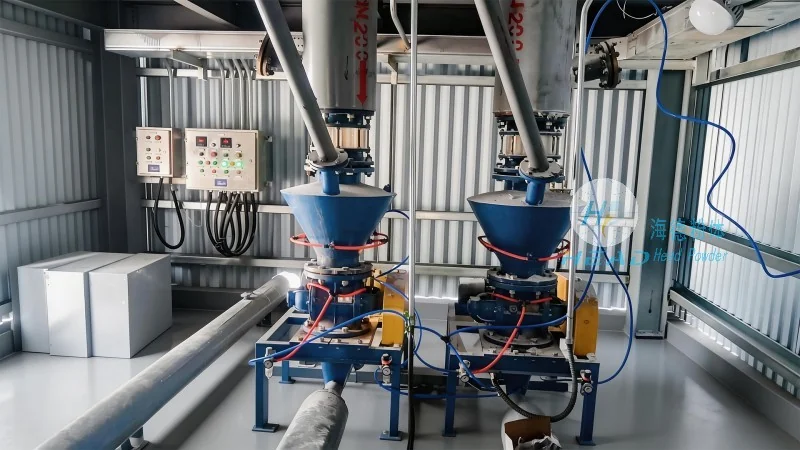
Another key benefit is the reduction in production costs. With lower maintenance requirements and reduced material waste, manufacturers can achieve cost savings over time. The precise control of material flow also minimizes the risk of over-processing or under-processing, leading to better product consistency and higher yields. Furthermore, the systems are scalable, allowing manufacturers to expand their production capacity as demand grows without significant infrastructure changes.
Conclusion: The Role of Shandong HeadPowder Engineering Co., Ltd. in Pneumatic Conveying Solutions
Shandong HeadPowder Engineering Co., Ltd., a leading provider of engineering solutions for material handling, specializes in designing and manufacturing pneumatic conveying systems tailored to the needs of the battery industry. With a focus on innovation and quality, the company ensures that its systems meet the stringent requirements of positive electrode material processing. By integrating advanced technology and expert engineering, HeadPowder delivers reliable and efficient solutions that enhance production efficiency and product quality. The company's commitment to customer satisfaction and technological advancement positions it as a trusted partner for manufacturers seeking to optimize their battery production processes. For businesses looking to improve material handling in their battery manufacturing operations, HeadPowder offers comprehensive solutions that address the unique challenges of handling fine, sensitive materials like positive electrode powders.