When it comes to transporting mica sand powder, the choice of conveying system can significantly impact operational efficiency, material integrity, and overall production costs. Pneumatic conveying systems have emerged as a reliable solution for handling fine powders like mica sand, offering advantages such as dust-free operation, compact design, and the ability to transport materials over long distances without the need for mechanical components. This article explores the different types of pneumatic conveying systems commonly used in mica sand powder transport and their practical applications, highlighting the expertise of Shandong HeadPowder Engineering Co., Ltd. in providing tailored solutions for industrial needs.
Types of Pneumatic Conveying Systems for Mica Sand Powder
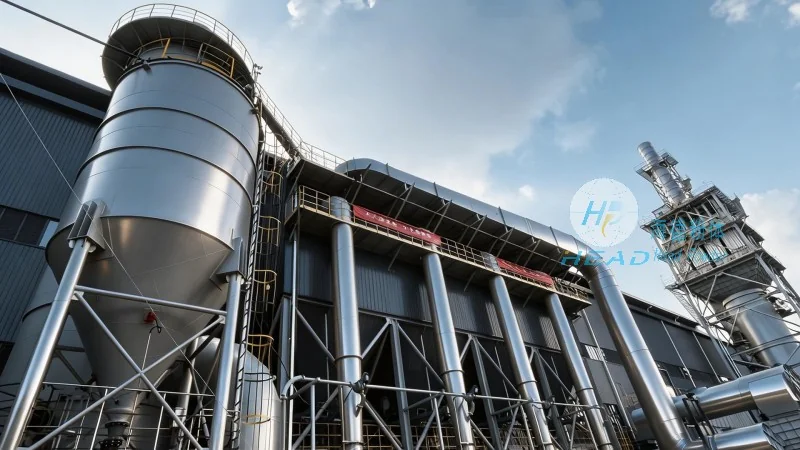
There are primarily two main categories of pneumatic conveying systems: pressure and vacuum systems. Each type has distinct characteristics and is suitable for different operational scenarios. Pressure systems use compressed air to push the material through a pipeline, while vacuum systems use a vacuum to draw the material into the system. Understanding these differences is crucial for selecting the right system for mica sand powder transport.
Pressure Pneumatic Conveying Systems
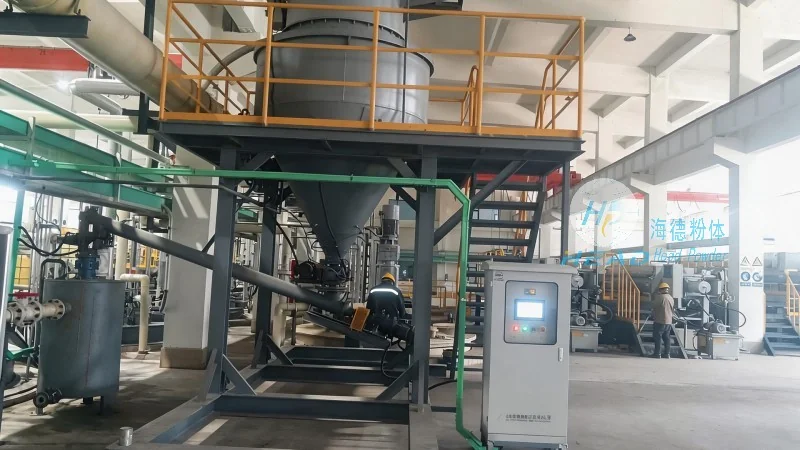
Pressure systems are ideal for applications where the material needs to be transported over long distances or through multiple branches. These systems operate by introducing compressed air into a hopper or feeder, which then propels the mica sand powder through the pipeline. The key components of a pressure system include a compressor, a hopper with a feeder, a pipeline network, and a receiver or discharge point. The pressure level can be adjusted based on the distance and material characteristics, ensuring efficient transport. Shandong HeadPowder Engineering Co., Ltd. specializes in designing pressure systems that can handle the specific properties of mica sand, such as its fine particle size and potential for static charge, to maintain material quality and prevent blockages.
Vacuum Pneumatic Conveying Systems
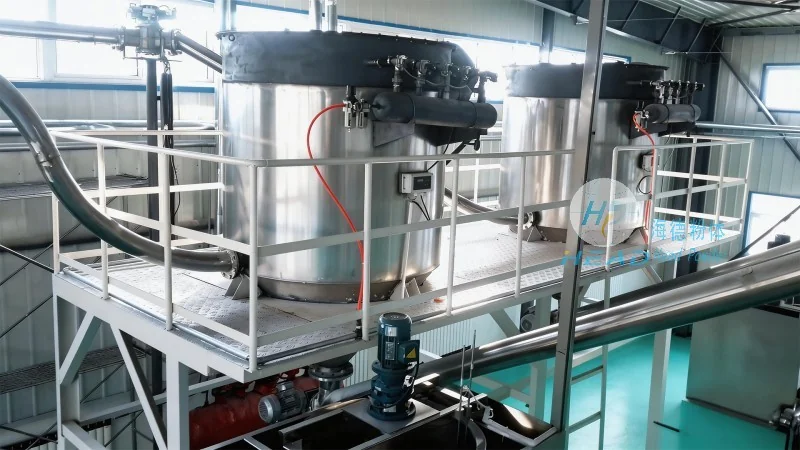
Vacuum systems are commonly used for shorter distances or when the material needs to be collected from multiple points. These systems create a negative pressure in the pipeline, drawing the mica sand powder from the source into the system. The main components include a vacuum pump, a hopper or collection point, a pipeline network, and a receiver. Vacuum systems are particularly useful for handling materials that are prone to dust or require a gentle handling process. The design of vacuum systems by Shandong HeadPowder Engineering Co., Ltd. focuses on minimizing air consumption and ensuring consistent material flow, which is essential for maintaining the quality of mica sand powder.
Practical Applications of Pneumatic Conveying Systems
Pneumatic conveying systems find wide applications in various industries that utilize mica sand powder, including the cosmetics industry, construction materials, and electrical insulation. In the cosmetics industry, mica sand is used as a pigment and filler in products like foundation and powder. The need for clean and dust-free handling is critical to maintain product quality and meet regulatory standards. Shandong HeadPowder Engineering Co., Ltd. has successfully implemented pneumatic conveying systems in cosmetic manufacturing facilities, ensuring that the mica sand powder is transported without contamination and with minimal loss.
Construction Materials Industry
In the construction sector, mica sand is used as an additive in concrete and plaster to improve durability and reduce water absorption. The ability of pneumatic conveying systems to transport fine powders over long distances makes them suitable for supplying mica sand to construction sites from centralized storage facilities. Shandong HeadPowder Engineering Co., Ltd. has provided customized pressure and vacuum systems for construction companies, enabling efficient material delivery and reducing the need for manual handling, which enhances safety and productivity.
Electrical Insulation Applications
Mica sand is also used in the production of electrical insulation materials, where its high dielectric strength and thermal stability are essential. The handling of mica sand powder in this industry requires systems that can maintain the material's purity and prevent contamination, which is crucial for the performance of insulation products. Shandong HeadPowder Engineering Co., Ltd. has developed specialized pneumatic conveying systems for the electrical industry, incorporating features such as anti-static measures and precise flow control to ensure that the mica sand powder meets the stringent requirements of insulation applications.
Key Considerations for Mica Sand Powder Transport
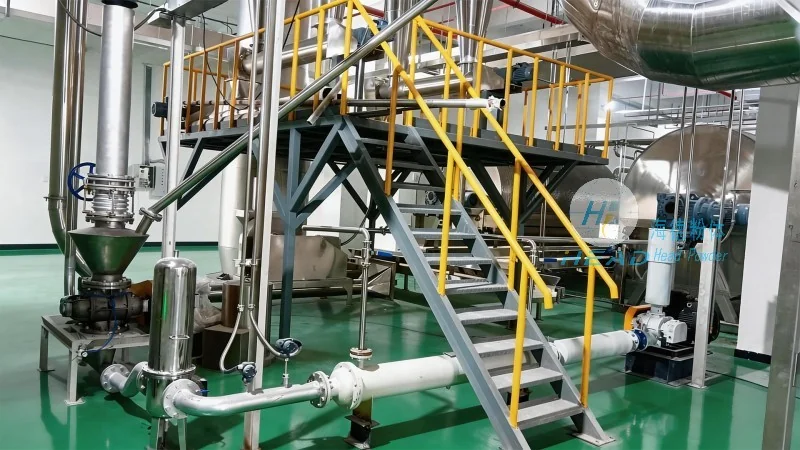
When selecting a pneumatic conveying system for mica sand powder, several factors need to be considered to ensure optimal performance. The particle size and density of the mica sand are critical, as they affect the air velocity required for transport. The presence of moisture or moisture absorption can impact the material's flow characteristics and may require additional drying steps. Additionally, the distance and layout of the transport route, including the number of branches and changes in elevation, influence the system design. Shandong HeadPowder Engineering Co., Ltd. conducts thorough assessments of these factors to design systems that are both efficient and cost-effective, tailored to the specific needs of each client.
Conclusion
Pneumatic conveying systems offer a versatile and effective solution for the transport of mica sand powder, with pressure and vacuum systems each serving distinct applications. The practical implementations in industries such as cosmetics, construction, and electrical insulation highlight the importance of selecting the right system based on operational requirements. Shandong HeadPowder Engineering Co., Ltd. leverages its expertise in pneumatic conveying technology to provide customized solutions that enhance material handling efficiency, maintain product quality, and support sustainable industrial operations. With a focus on tailored designs and reliable performance, the company continues to serve clients in China and beyond, ensuring that the transport of mica sand powder is handled with precision and care.




