

Types and Practical Applications of Pneumatic Conveying Systems for PVC Transportation
HeadPowder Engineering, a leading provider of industrial material handling solutions, specializes in the design, installation, and maintenance of pneumatic conveying systems tailored for the transportation of Polyvinyl Chloride (PVC). This article explores the various types of pneumatic conveying systems commonly used in PVC handling and their practical applications, highlighting the importance of selecting the right system for efficient and reliable material transport.
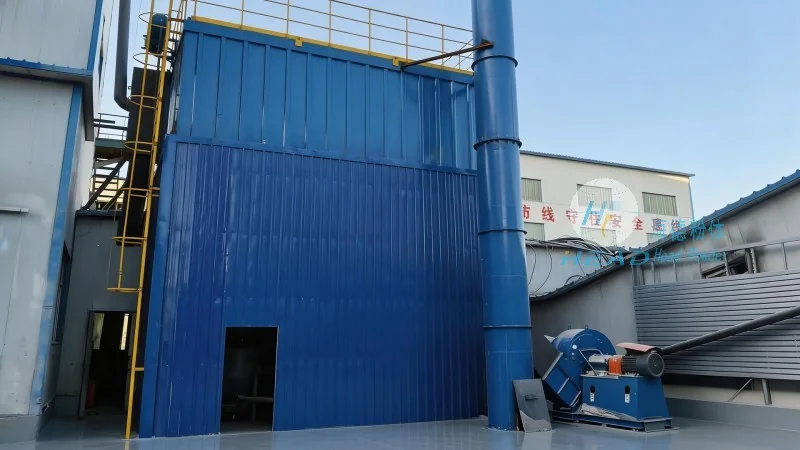
Understanding Pneumatic Conveying Systems for PVC
Pneumatic conveying systems utilize air or gas to transport bulk materials like PVC pellets, powders, or granules through a pipeline network. These systems are widely adopted in the plastics industry due to their ability to handle abrasive and corrosive materials while ensuring minimal product degradation. The primary goal of such systems is to achieve seamless material transfer from storage silos or hoppers to processing equipment, such as extruders or mixers, with minimal human intervention.
Types of Pneumatic Conveying Systems for PVC Transportation
There are several types of pneumatic conveying systems, each suited to different operational requirements and material characteristics. The most common types include:
1. Dilute Phase Pneumatic Conveying
Dilute phase systems operate by transporting materials in a low concentration of particles suspended in air. This method is ideal for short to medium distance transport of PVC, typically up to several hundred meters. The system uses high-velocity air to move the material through the pipeline, ensuring efficient and continuous flow. Dilute phase systems are often preferred for applications where the material is relatively non-abrasive and the distance is manageable.
2. Dense Phase Pneumatic Conveying
Dense phase systems, also known as low velocity or positive pressure systems, transport materials at a higher concentration, often with a higher air-to-material ratio. This method is suitable for longer distances and for handling more abrasive or sensitive PVC products. Dense phase systems use lower air velocities to maintain a stable flow, reducing the risk of material degradation and equipment wear. They are commonly used in applications requiring precise control over material flow and pressure.
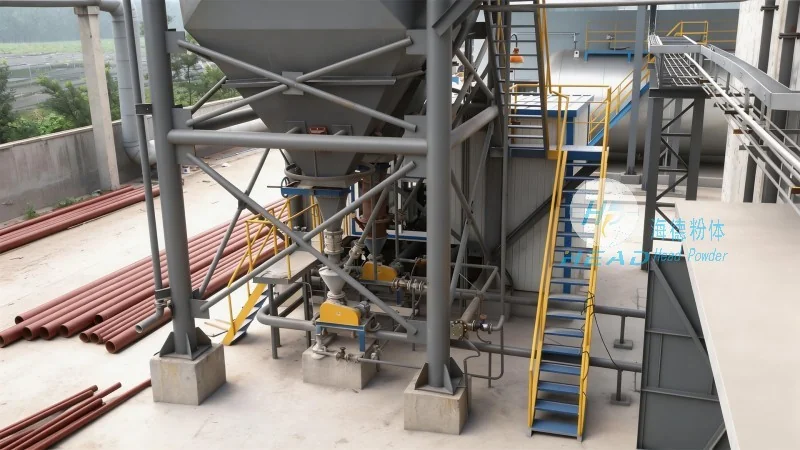
3. Vacuum Pneumatic Conveying
Vacuum systems operate by creating a negative pressure at the receiving end of the pipeline, drawing material from the source. This type of system is particularly useful for transferring PVC from elevated storage silos to lower processing areas, as it can handle vertical or inclined transport without the need for additional mechanical equipment. Vacuum systems are also beneficial for applications where the material needs to be transported from multiple sources or where the receiving equipment is located at a lower elevation.
4. Hybrid Pneumatic Conveying
Hybrid systems combine elements of both dilute and dense phase operations, offering flexibility in handling different material types and transport distances. These systems can switch between low and high velocity modes depending on the operational needs, making them suitable for complex material handling scenarios. Hybrid systems are often used in large-scale PVC processing plants where multiple material streams need to be integrated and transported efficiently.
Practical Applications of Pneumatic Conveying Systems in PVC Industry
Pneumatic conveying systems are widely applied in various stages of PVC production and processing. Some of the key practical applications include:
1. Material Transfer from Storage to Processing
One of the most common applications is the transfer of PVC from storage silos or hoppers to processing equipment like extruders, mixers, or granulators. This ensures a continuous supply of raw material to the production line, minimizing downtime and improving overall operational efficiency. The systems are designed to handle different forms of PVC, including pellets, powders, and granules, ensuring consistent material quality and flow rates.
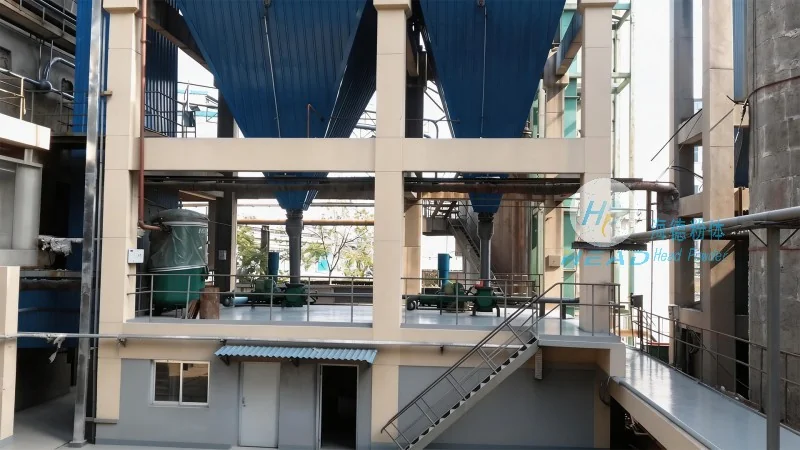
2. Inline Dosing and Mixing
In many PVC manufacturing processes, precise dosing of additives or colorants is critical. Pneumatic conveying systems can be integrated with dosing equipment to deliver these materials directly into the processing line. This ensures accurate and uniform mixing, which is essential for achieving the desired product properties, such as color, density, and mechanical strength. The systems help maintain consistent material ratios, reducing the risk of batch-to-batch variations.
3. Clean-in-Place (CIP) and Maintenance Operations
Pneumatic conveying systems can also be used for cleaning and maintenance operations in PVC processing facilities. By using appropriate cleaning agents and air flow, these systems can effectively remove residual materials from pipelines and equipment, ensuring hygiene and preventing contamination. This is particularly important in food-grade or pharmaceutical applications where product purity is paramount.
4. Material Recovery and Reclamation
In some PVC processing plants, material recovery and reclamation are essential to minimize waste and reduce costs. Pneumatic conveying systems can be used to collect and transport waste materials, such as scrap or rejected products, to recycling or disposal areas. This helps in maintaining a closed-loop system, promoting sustainability and environmental compliance.
Benefits of Using Pneumatic Conveying Systems for PVC
Implementing pneumatic conveying systems for PVC transportation offers several advantages over traditional mechanical conveying methods. These benefits include:
1. Reduced Labor Costs and Increased Automation
Pneumatic systems can automate the material handling process, reducing the need for manual labor and minimizing human error. This leads to lower operational costs and improved safety in the workplace. The systems can be integrated with control systems to monitor and adjust flow rates, pressure, and other parameters in real-time, ensuring optimal performance.
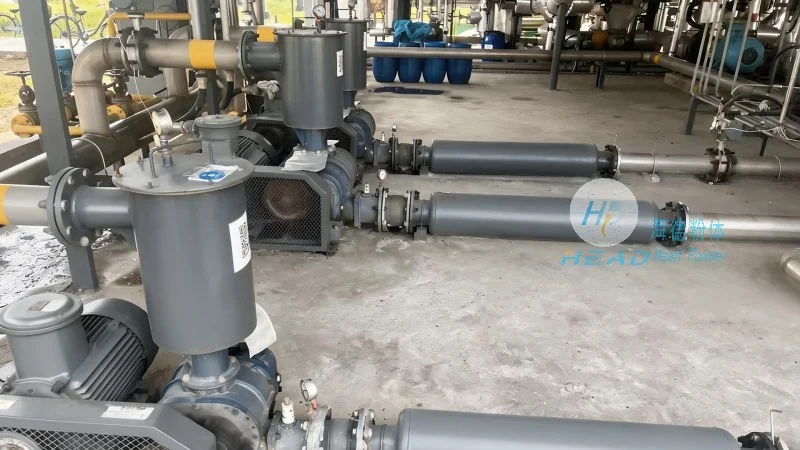
2. Improved Material Quality and Consistency
By minimizing material contact with equipment and reducing handling time, pneumatic conveying systems help maintain the quality and consistency of PVC products. This is crucial for achieving uniform product properties, such as particle size, moisture content, and color. The systems also reduce the risk of product degradation due to friction or exposure to air, ensuring that the final product meets the required specifications.
3. Enhanced Safety and Environmental Protection
Pneumatic conveying systems are generally safer and more environmentally friendly compared to mechanical systems. They eliminate the need for moving parts in contact with the material, reducing the risk of equipment failure or accidents. Additionally, the systems can be designed to minimize dust emissions and noise pollution, contributing to a cleaner and safer working environment. This is particularly important in industries where regulatory compliance is a key concern.
4. Flexibility and Scalability
Pneumatic conveying systems offer high flexibility in terms of material handling, allowing them to be adapted to different production requirements and future expansion. The systems can be easily modified or expanded to accommodate changes in production volume or material types, ensuring long-term operational efficiency. This flexibility makes them a cost-effective solution for businesses looking to scale their operations without significant capital investment.
Conclusion
HeadPowder Engineering, based in Shandong, China, provides comprehensive solutions for pneumatic conveying systems tailored to the specific needs of PVC transportation. By understanding the different types of systems and their practical applications, businesses can select the most suitable equipment to enhance their operational efficiency, improve product quality, and ensure compliance with industry standards. The company's expertise in designing and implementing these systems ensures that clients receive reliable and efficient material handling solutions that meet their unique requirements.