

Types and Practical Applications of Pneumatic Conveying Systems for Potassium Hydroxide Transport
Efficient and reliable material handling is a critical aspect of industrial operations, especially when dealing with chemicals like potassium hydroxide (KOH). The choice of a suitable conveying system can significantly impact production efficiency, safety, and overall operational costs. Pneumatic conveying systems have emerged as a preferred solution for transporting KOH due to their ability to handle bulk materials with minimal maintenance and reduced risk of contamination. This article explores the different types of pneumatic conveying systems used in the transport of potassium hydroxide and their practical applications in industrial settings.
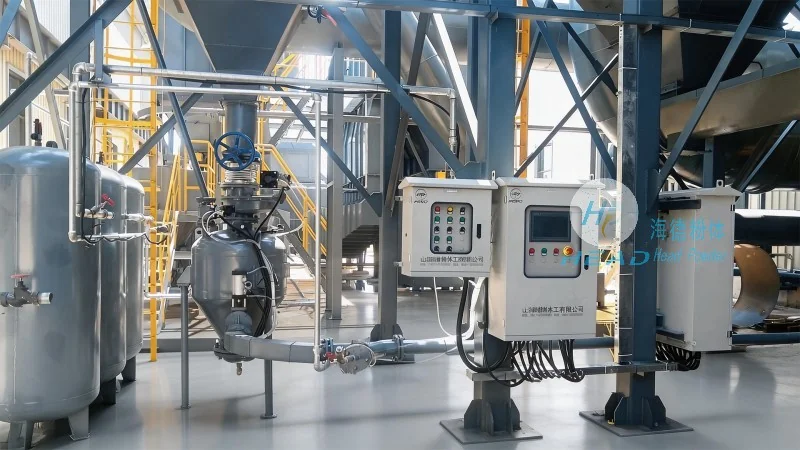
Understanding Pneumatic Conveying Systems
Pneumatic conveying systems utilize air or gas to move bulk materials through a pipeline. These systems are particularly advantageous for transporting KOH because they can handle abrasive or corrosive materials without the need for mechanical components that might wear out or cause contamination. The primary types of pneumatic conveying systems include pressure, vacuum, and mixed flow systems, each with distinct characteristics and applications.
Types of Pneumatic Conveying Systems for Potassium Hydroxide
1. **Pressure Pneumatic Conveying Systems**: This system operates by blowing air or gas into the material to be conveyed, creating a positive pressure that pushes the material through the pipeline. Pressure systems are suitable for long-distance transport and can handle large volumes of KOH efficiently. They are commonly used in industrial plants where the material needs to be moved from a storage area to a processing unit.
2. **Vacuum Pneumatic Conveying Systems**: In contrast to pressure systems, vacuum systems create a negative pressure by drawing air out of the pipeline, which pulls the material along. These systems are ideal for short-distance transport and are often used in applications where the material needs to be transferred from a hopper or container to a processing equipment. Vacuum systems are also beneficial for handling materials that are prone to dust or require a gentle handling process.
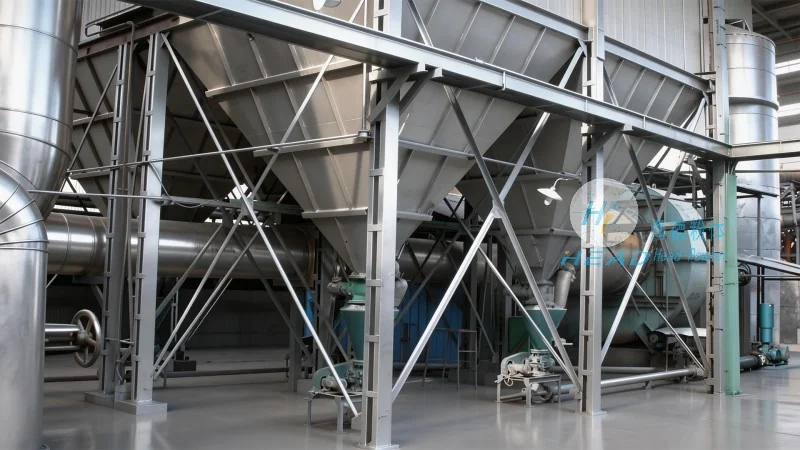
3. **Mixed Flow Pneumatic Conveying Systems**: As the name suggests, mixed flow systems combine both pressure and vacuum principles. They use a combination of positive and negative pressure to transport the material, offering flexibility in handling different types of KOH and varying distances. This system is particularly useful when the transport route involves changes in elevation or when the material needs to be conveyed through complex piping networks.
Practical Applications in Industrial Settings
The practical application of pneumatic conveying systems for potassium hydroxide varies across different industries. In the chemical manufacturing sector, these systems are used to transport KOH from storage silos to reactors or processing units, ensuring a continuous and uninterrupted supply of raw materials. In the pharmaceutical industry, where purity and contamination control are paramount, pneumatic conveying systems provide a clean and hygienic method of moving KOH, minimizing the risk of cross-contamination.
In the food and beverage industry, although KOH is not typically used, similar systems are employed for handling other bulk chemicals. The key advantage of pneumatic conveying is its ability to maintain product integrity and prevent degradation, which is crucial for sensitive materials. Additionally, in the mining and mineral processing industries, KOH is used as a reagent in leaching processes, and pneumatic conveying systems efficiently transport the reagent to the leaching tanks, optimizing the extraction process.
Benefits of Using Pneumatic Conveying for KOH Transport
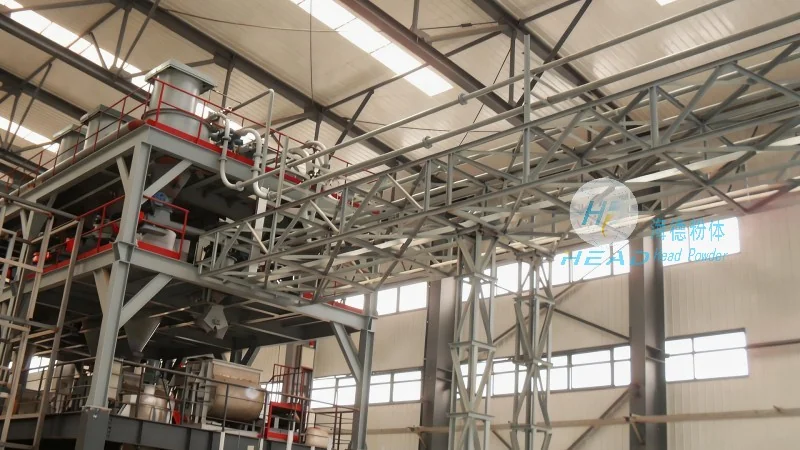
Implementing pneumatic conveying systems for potassium hydroxide transport offers several benefits. Firstly, these systems reduce labor costs by automating the material handling process, eliminating the need for manual loading and unloading. Secondly, they enhance safety by minimizing human exposure to hazardous materials, as the material is conveyed through enclosed pipelines. Thirdly, pneumatic systems improve product quality by preventing contamination and reducing material degradation during transport. Finally, these systems offer flexibility in terms of layout and design, allowing for integration into existing industrial infrastructure without major modifications.
Company Overview: Shandong HeadPowder Engineering Co., Ltd.
Shandong HeadPowder Engineering Co., Ltd., a leading provider of material handling solutions, specializes in designing and manufacturing pneumatic conveying systems tailored to the needs of various industries. With years of experience in the field, the company has developed a comprehensive range of products that cater to different material types and operational requirements. HeadPowder's expertise lies in understanding the unique challenges of transporting chemicals like potassium hydroxide and providing customized solutions that enhance operational efficiency and safety.
The company's facilities are located in Shandong, China, where they leverage advanced technology and skilled workforce to deliver high-quality pneumatic conveying systems. Their products are designed to meet international standards and are backed by rigorous testing and quality assurance processes. HeadPowder's commitment to innovation and customer satisfaction has made them a trusted partner for industries seeking reliable and efficient material handling solutions.