For industrial applications, understanding the technical parameters of gypsum sand and the design of its conveying system is crucial for efficient production and material handling. This document provides a comprehensive overview of the key technical aspects of gypsum sand, including its physical and chemical properties, and details the process and components involved in the conveying system. The information is tailored for professionals in the construction, mining, and manufacturing sectors who require reliable material handling solutions for gypsum sand.
Key Technical Parameters of Gypsum Sand
Gypsum sand, a common industrial material derived from natural gypsum, exhibits specific characteristics that influence its handling and processing. The primary technical parameters include particle size distribution, bulk density, moisture content, and chemical composition. Particle size distribution is typically measured using sieving methods, with common ranges from 0.1mm to 5mm depending on the application. Bulk density, which affects storage and transportation, usually falls between 1.1 to 1.3 g/cm³. Moisture content is critical for preventing caking and ensuring consistent performance, often maintained below 2% in industrial settings. Chemical composition, primarily calcium sulfate dihydrate (CaSO₄·2H₂O), may contain trace elements such as iron, magnesium, and silica, which can impact the material's reactivity and suitability for specific processes. These parameters are essential for selecting appropriate equipment and optimizing the conveying system to ensure the material is handled safely and effectively.
Conveying System Design and Components
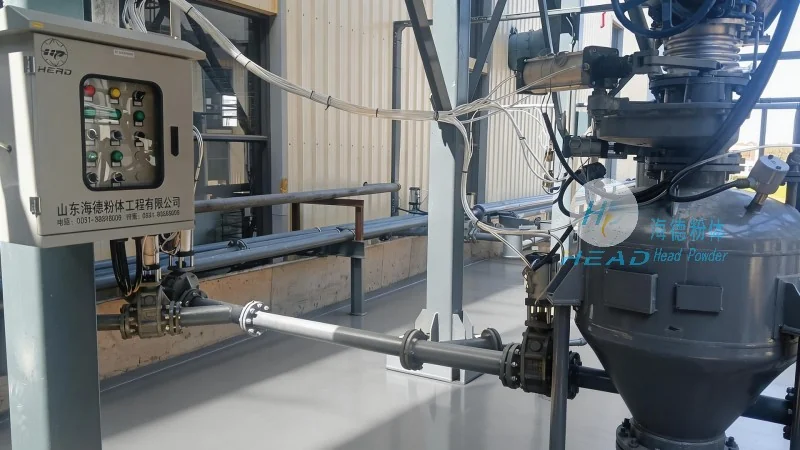
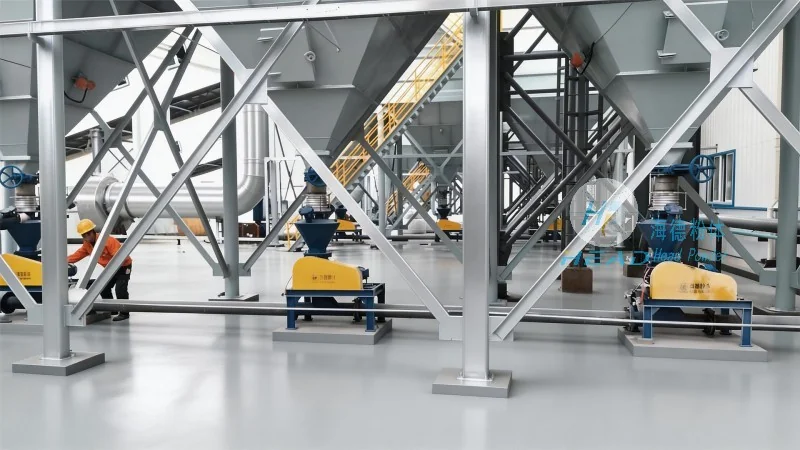
The conveying system for gypsum sand must be designed to handle the material's characteristics while ensuring minimal degradation and efficient transport. The system typically includes several key components: feeders, conveyors (e.g., belt conveyors, screw conveyors), and control systems. Feeders, such as vibratory feeders or rotary valves, regulate the flow of gypsum sand from storage silos to the conveyor, ensuring a consistent and controlled feed rate. Belt conveyors are commonly used for horizontal and slight incline transport due to their high capacity, durability, and ability to handle large volumes of material. Screw conveyors are suitable for vertical or compact spaces, providing a compact solution for transporting gypsum sand between different levels or areas. The system may also incorporate dust collection and filtration equipment to maintain air quality and comply with environmental regulations, preventing dust emissions and protecting the environment. Control systems, often integrated with sensors for level, flow, and temperature monitoring, ensure the conveying process operates smoothly and safely, with real-time feedback and adjustments to maintain optimal performance.
Process Flow and Operational Considerations
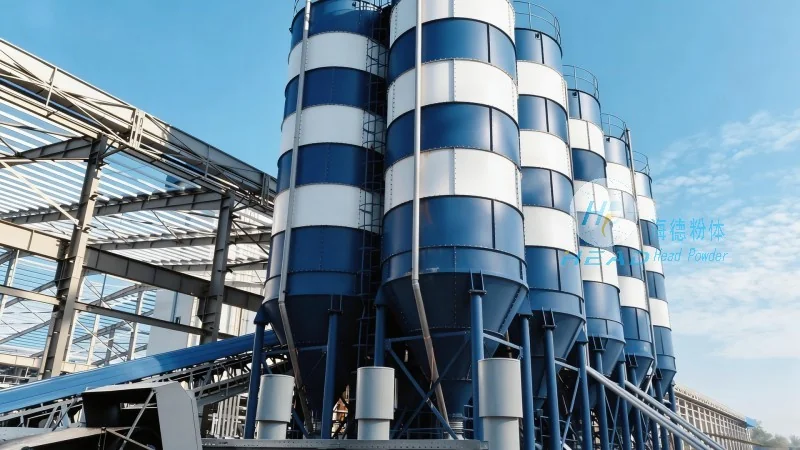
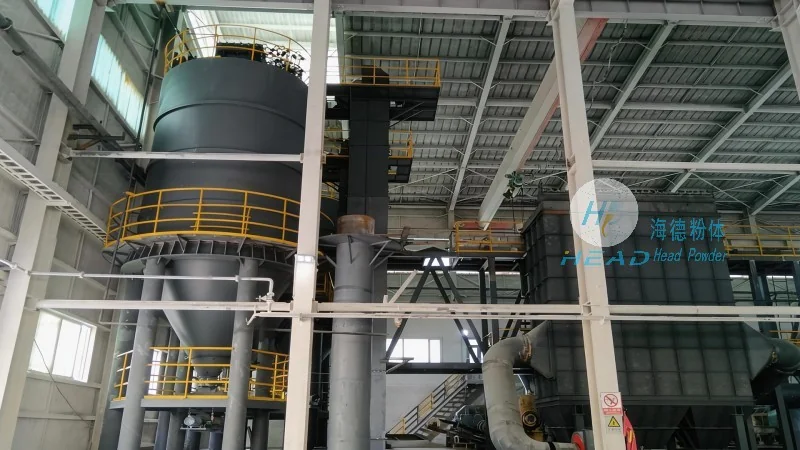
The operational process of the gypsum sand conveying system involves several stages: material storage, feeding, conveying, and discharge. In the storage stage, gypsum sand is stored in silos or hoppers, where it is protected from moisture and contamination, ensuring the material remains in optimal condition for processing. The feeding stage uses feeders to control the flow rate, preventing overloading or underloading of the conveyor, which can lead to inefficiencies or equipment damage. The conveying stage transports the material to the processing or packaging area, with the system designed to minimize material degradation, such as breakage or segregation, which can affect the final product quality. The discharge stage involves transferring the material to the next stage of the production line, with proper sealing and dust control measures in place to prevent material loss and maintain a clean working environment. Operational considerations include regular maintenance of equipment, such as cleaning conveyor belts, lubricating moving parts, and inspecting sensors, to ensure the system operates efficiently and reliably. Additionally, monitoring of material properties, such as moisture content and particle size, is essential to adjust the system as needed and maintain consistent performance. Safety protocols, including proper guarding of equipment and training for operators, are also critical to prevent accidents and ensure a safe working environment.




